
Water is something we use every day. We drink water, we cook with water, we take a bath in water. We trust water completely. The thing is, water can be very bad for us in some places. India is one of those places where the water’s not very good. In fact, India is ranked low, around 120th, when it comes to how clean water is and how we treat the environment. So we should not trust water much. Water is not always safe. That is a big problem for millions of people who use water every day.
This number is not about rivers or reports. It shows up in the water pollution problems that people have to deal with when they’re sick a lot, when they have to pay more money for medical bills, when kids miss school days and when people spend their lives dealing with polluted water rather than trying to figure out what is causing the pollution. Polluted water does not make a noise when it is around. The polluted water gets into peoples life it happens slowly, and it keeps happening all the time.
The dirty truth is not far-fetched: unsafe water is no longer an environmental issue alone. It is a public health problem, a social inequality crisis, and a failure of governance— one that demands attention.
The problem with water in India is not just that there is not enough of it. The real issue is the quality of the water. India's water quality is a problem. This is because of things like cities getting bigger really fast, factories putting bad things into the water, sewage not being treated, and farms putting bad things into the water too. All of these things have made the water in India's rivers, lakes and underground water really bad. India's water problem is very serious because of these things.
The consequences of things are not shared equally by everyone. Sometimes the consequences affect some people a lot and others not much. The consequences are just not distributed fairly.
People who live in areas that really need water from underground. The problem is that this water often has things in it like fluoride or arsenic. Rural communities have to deal with this issue because they use this water every day. The water in communities can make people sick if it has too much fluoride or arsenic in it. Rural societies are affected by this problem. They always need to find a way to make their water safe for consumption.
The urban poor have to rely on water supplies. These informal water supplies are really bad because they mix the drinking water with the sewage lines. This is a problem for the urban poor because they need clean water to drink. The urban poor depend on these water supplies every day.
Kids are more likely to get diarrhoea. They do not get the food they need, which can cause problems with how they grow and develop. Children have to deal with these issues a lot, like diarrhoea and not having nutritious food, and this can affect children in many ways, including how they develop and grow.
Women have to deal with a lot of things that people do not see. For example, women carry water over distances, and they have to take care of the bathroom situation in places that are not safe for them. Women have to do these things every day. Women are the ones who walk away to get water.
Despite multiple national missions and policies, enforcement remains weak. Environmental laws exist, but accountability is fragmented. As a result, polluted water has become normalised — something people adapt to instead of resisting.
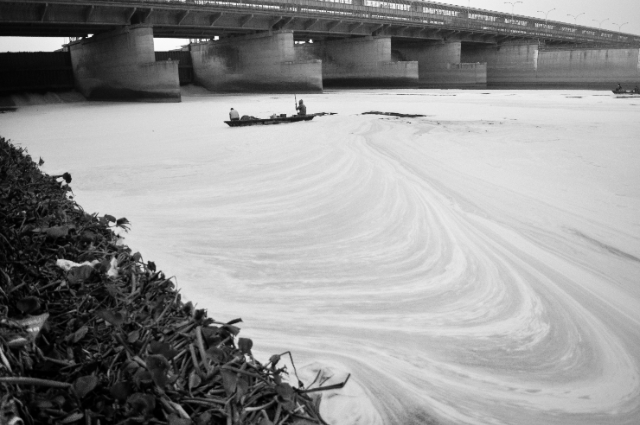
The state of the Yamuna River in Delhi is a problem. This river goes through places, but the part that goes through Delhi is really dirty. An example is the Yamuna River in Delhi that India is facing. The Yamuna River gets contaminated a lot when it passes through Delhi, even though it's just for a short time.
The river gets polluted every day with waste from some nearby factories. At times of the year, you see a thick layer of toxic foam on the river surface. It is a sign that the river has been ignored for a long time. Even though courts have given orders to clean it up, and people are really upset, the river is still in a state. The river's condition has not really gotten better over time.
The thing that makes the Yamuna case really scary is where it is. The Yamuna is in the capital city, so it has everything it needs to be taken care of. It has people who can help it has institutions. It has politicians who pay attention to it. Even with all of that, the water is still really bad. This makes you wonder what is happening in places that are not as well-known. The Yamuna is not a river that is dirty it shows that the system is not working. There are rules in place to protect the Yamuna. Nobody is following them. The Yamuna case is a deal because it is happening in the capital, and it makes you think about the Yamuna and what is going on with the Yamuna in other areas.
This case shows that India’s water crisis is not due to a lack of awareness, but a lack of action.
REFERENCES :
• https://www.undp.org/india/when-yamunas-dead-fish-will-be-fresher