
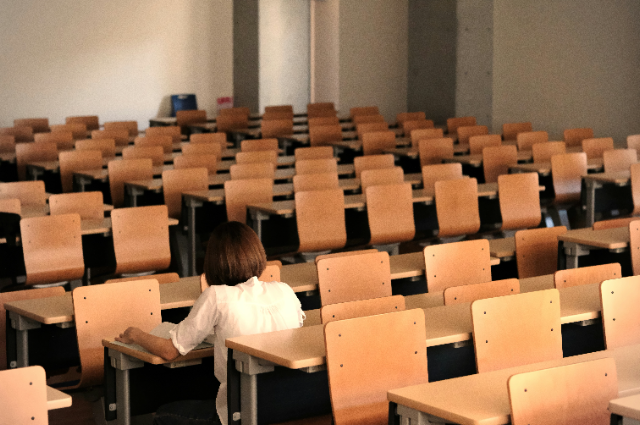
Every classroom has one.
The student who always scores highest, submits assignments on time, and never seems to struggle. Teachers praise them. Parents point to them as proof that discipline works. From the outside, they look fine — even exceptional.
But behind many top-performing students is a quiet pressure that rarely gets acknowledged. Fear of falling behind. Fear of disappointing everyone. Fear that rest equals failure. For some, success does not feel rewarding; it feels necessary for survival.
This article explores how academic pressure, especially on high-achieving students, is contributing to a growing mental health crisis — one that often remains invisible because the students affected appear to be doing “well.”
In a lot of schools, especially the competitive ones, doing well in school is seen as the main sign of being smart, behaving and having a good future. Grades are not just about how you do on a test; they are like a label that people use to judge you. Students figure out fast that they only get compliments, attention and approval from teachers and parents when they get good academic success. This means that academic success is what gets them noticed and liked.
The pressure on the students who are at the top of their class, the toppers, is really high. They have to do well all the time. If they make a mistake, it is a deal. The toppers feel like they cannot ask for help because it makes them look bad. After a while, the toppers are more worried about doing than actually learning something new. The toppers start to feel scared of being curious about the things they are learning. The pressure on the toppers is so strong that it changes the way they think about learning.
Students who do well in school often have mental health problems that people do not notice. This is because they can hide how they are feeling when they get grades. As long as their grades are good, people think that their anxiety, trouble sleeping and feeling burned out are just normal stress or a phase they are going through.
There is a pattern that keeps happening at school counselling offices. The students who get the grades. The ones who are at the top of their class. Often say they feel really anxious, extremely tired all the time, and are always afraid of failing even though they are doing well. Mental health struggles in these students are a problem. Mental health struggles in these students need to be addressed. The burnout that these students experience is a real problems that need to be addressed. Mental health struggles in these students should not be ignored.
There are some cases where students who always did well in school had to get help. This happened after they had panic attacks or just could not handle things anymore. A lot of these students said they studied hard, but not because they actually wanted to learn. They did it because they were scared. They were scared of not being the best, of making their families unhappy, or of being like everyone else. Students who always did well in school were scared of losing their good position, disappointing their families, or becoming average students.
What is most desirable is that awareness of the issue came late. Teachers and parents were involved and surprised because the student had shown no signs of struggle or discomfort outwardly. The case highlights how academic systems reward output while ignoring internal cost.
Doing well in school should not mean you have to be stressed out. When people think that the only good thing is to be successful, students start to keep their problems to themselves and not talk about them. The student who does the best in class and does not say anything is not weak; the student who does the best in class is just dealing with more. Academic excellence and emotional collapse should not go together. The student who performs the best in class is overwhelmed with a lot of expectations.
We need to deal with this problem by redirecting what we think it means to be equipped in school. The state of our minds is important. We should not think that it is less important than the grades we get. If a school system gets grades but the students are not happy and strong, then the system is not doing a good job. It is actually failing. In a quiet way. We need to remember that education is about the students, and the students are not their grades. Mental grades are both important. We need to make sure that the students are performing well in both areas. The education system should assist the students to be happy people, not just people who get good grades.
Sometimes, the most needed cries for help come from those who appear to need it least.
REFERENCES: