
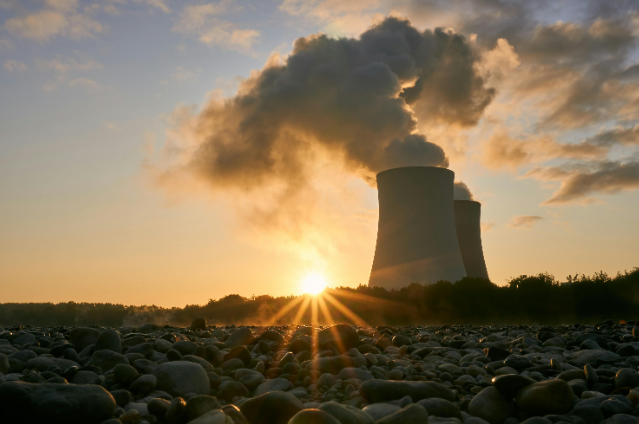
I’ve always imagined a generation where energy was clean and safe for human consumption. Yet, when I hear about the resurgence of nuclear power in Europe, I can’t help but mention the unease centered about it all. The guarantee that zero-carbon energy is quite intriguing, but the shadows of radioactive waste and moral dilemmas all linger silently in the background.
Europe is in total confusion. The continent is struggling with an effective need to minimize carbon emissions, secure energy independence, and shift its perspective away from fossil fuels, especially given the new geopolitical tensions. Nuclear energy, once considered costly, is now being seen as a potential solution that provides the promise of large-scale, low-carbon power.
But this change doesn’t come without a bank of questions. How do continents balance the dying need for purified energy with the prolonged chances of radioactive waste, high costs, and potential accidents? And how do communities make peace with the moral and ethical complications of reclaiming a technology that has haunted environmental debates for decades?
While the world tends to drive its aim to concentrate on carbon neutrality, Europe’s renewed investment in nuclear energy calls the shots of a difficult debate. On one hand, nuclear power guarantees a more stable, low-emission alternative to coal and gas, which, however, tends to minimize its dependence on geopolitically sensitive imports like Russian gas. On the other hand, it heightens the demand for ethical dilemmas: the future management of radioactive waste, the immense costs of building new reactors, and the safety risks of accidents.
My take: this isn’t just seen as an economic decision, it’s a moral decision. Reviving nuclear power demands societies to weigh close climate benefits, all of which are against the potential burden placed on the future. It’s a story of trade-offs, responsibility, and what we see as most valuable in the fight against climate change.
In our bid to respond to climate goals and the modern changes of energy, the European Union has been investing strategically in new nuclear reactors across many member states. Countries like France, Finland, and the Czech Republic are scheduling advanced nuclear plants to change their energy sources and minimize reliance on fossil fuels, particularly Russian gas.
The EU also complains that nuclear energy is a crucial tool for achieving its 2050 carbon neutrality targets. Reports, however, showcase that nuclear power brings about minimal greenhouse gas emissions during operation, which will be able to provide a stable base load.
However, NGOs and environmental groups have all raised concerns. Safety is an important issue here. The challenge of equipping oneself with radioactive waste for thousands of years is not talked about enough, with storage solutions still complaining about it.
Financially, nuclear energy is now capital-intensive. Building a new reactor can cost billions of euros, which requires decades to break even. Critics say that this money could alternatively accelerate renewable infrastructure or fund energy efficiency programs with faster returns.
Ethically, the decision mirrors a generational trade-off. Current policymakers take the risks and the climate benefits of nuclear energy today, but future generations take over both the waste and the long-term considerations of safety. This tension makes the moral complexity of nuclear revival a technology which is seen to be solving one crisis while potentially creating another.
For me, the comeback of nuclear power is more like a decision that is made out of haste rather than certainty. I know the whole matter regarding the pressure Europe is under, climate deadlines are looming, and the world is demanding quick solutions. In that sense, nuclear energy appears almost too powerful and carbon-light.
But ethics cannot be rushed.
What baffles me is not the nuclear energy itself, but the way its future disadvantages are often softened in political matters. The waste does not run away; it is switched on. The risks do not end when emissions drop. Choosing nuclear energy means choosing to pass responsibility forward — to generations who did not consent to managing radioactive remnants of today’s climate decisions.
Climate action should not only be centered around emissions; it should also be focused on safeguarding human life and future dignity. If nuclear power is to be part of the green change, accountability and long-term safety must be taken as seriously as carbon targets. Anything that feels less than that is ethically incomplete.
The new nuclear age is to confront an unending truth: there are no perfect solutions to the climate crisis, only difficult choices being made. Europe’s revival of nuclear energy sits at the detriment of hesitation a reminder that progress often has a hidden cost.
As we forge ahead in a bid to bring about a greener future, the question is not just what works, but what we are willing to grow and live with and truthfully leave behind. True sustainability must not only be based on the planet we save today, but the world we hand over tomorrow.
REFERENCES: