
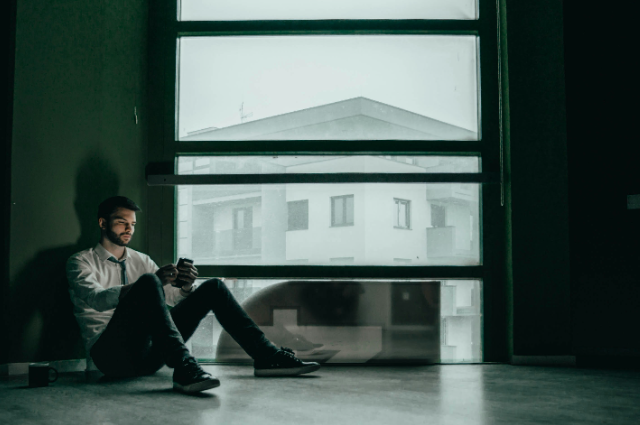
Open Instagram today, and you will see the Performative Imperative in action: a dazzling, compulsory display of success, happiness, and effortless perfection. A peer is celebrating a top JEE or NEET rank; another is on an exotic holiday; a third has launched a viral start-up. But behind the filtered images and the endless stream of 'likes' lies a profound and dangerous psychological paradox: the tragic reality of "Smiling on Instagram, Crying in Silence."
The visual narrative of modern youth is one of carefully crafted, sustained triumph. This essay argues that for young Indians, this digital life has transformed into a high-stakes battleground for validation, where the curated self is prioritized over the authentic one. The pressure to conform to an unrealistic standard of happiness—intensified by the clash between hyper-modern digital culture and traditional Indian societal demands—is fueling a growing mental health crisis. This article explores the psychological, social, and structural forces that compel a generation to maintain a dazzling digital facade at the enormous cost of their internal well-being. We will connect the rise of social media use with an increase in anxiety, isolation, and even suicide, using specific psychological theories and real examples from Indian youth to expose the toxic cycle that distorts perceptions of reality and exacerbates mental distress.
Theoretical Foundations of the Digital Persona
To understand the core conflict of "Smiling on Instagram, Crying in Silence," one must examine the foundational psychological theories governing self-presentation and identity in the digital age.
Impression Management and the Perpetual Front Stage
The compulsion to post the perfect life is deeply rooted in Erving Goffman’s theory of Impression Management. This concept describes the individual's conscious and subconscious effort to control the perceptions others form of them. On Instagram, the user is perpetually on the "front stage," presenting an idealized persona that adheres to the highest social standards. The platform essentially transforms ordinary existence into a continuous performance art, where the primary objective is to solicit positive social feedback. This relentless demand for optimal self-presentation is psychologically exhausting, requiring constant self-monitoring and editing, which depletes the user's emotional resources and energy. The sheer visibility and immediacy of Instagram mean that every aspect of life is subjected to public scrutiny, eliminating the refuge of a private "backstage."
Cognitive Dissonance: The Cost of the Curated Life
The sustained performance of an 'ideal self' inevitably leads to Cognitive Dissonance (Festinger, 1957). This is the psychological state of discomfort that arises when a person's behavior (posting a happy, filtered photo) conflicts with their true beliefs or feelings (feeling profoundly unhappy, lonely, or anxious). The constant need to reconcile the praised, fictional persona with the struggling, authentic self creates internal friction. Youth are effectively being rewarded and validated for a performance, leading to the perverse consequence that the more successful they are at managing their digital impression, the more intensely they may suffer internally. This disparity contributes significantly to feelings of guilt, shame, and emotional exhaustion, as they feel incapable of embodying the perfect person they have fabricated.
Self-Discrepancy Theory and the Indian 'Ought Self'
Self-Discrepancy Theory (Higgins, 1987) provides the most granular framework for understanding the distress. It identifies the gap between three self-domains:
- The Actual Self: Who the person currently is (e.g., a student struggling with chemistry, dealing with career uncertainty, feeling inadequate).
- The Ideal Self: Who the person aspires to be (e.g., the effortlessly successful, globetrotting friend seen online).
- The Ought Self: Who the person believes they should be, often driven by moral, familial, or societal duties.
For young Indians, the Ought Self is uniquely and intensely defined by cultural parameters. This includes the collective expectations of the extended family, the non-negotiable pressure to secure a highly visible, stable career (IAS, doctor, engineer) after passing competitive exams like JEE/NEET, and the societal requirement to build a spotless digital portfolio suitable for future family prospects, including matrimonial suitability. The Instagram "highlight reel" culture becomes a visual representation of both the 'Ideal' and the crushing 'Ought' self. When a user scrolls and witnesses the flawless presentation of peers, the resultant Self-Discrepancy with their struggling 'Actual Self' causes feelings of dejection, failure, and intense anxiety. They are judged not just by their community, but by the relentless, non-negotiable metric of the algorithm.
The Pressure of Perfection: Societal and Digital Norms in India
Instagram’s architecture is deliberately designed to promote a "highlight reel" culture, where users share only the best, most polished versions of their lives. This curated perfection creates an environment where anything less than flawless is considered undesirable.
The Unrealistic Standard of Happiness and Image
The constant exposure to these idealized images fosters a sense of inadequacy. Young users are particularly vulnerable to these unrealistic standards, as they often lack the maturity to understand that the content they see online is far from an accurate reflection of reality. The platform’s focus on aesthetics and material success intensifies the pressure. A 2023 study by the Royal Society for Public Health (RSPH) found that Instagram is the most harmful social media platform in terms of mental health, especially for young girls. The study pointed out that Instagram’s focus on physical appearance, wealth, and success contributes to negative body image, low self-esteem, and anxiety. In India, where societal pressure around appearance and success is intense, Instagram’s influence has led many youth to feel increasingly alienated from their real selves. The pressure to meet traditional standards of beauty and success while simultaneously appearing globally 'cool' and independent creates an impossible burden.
The Commodification of Self: The Structural Critique
Beyond individual psychology, the Performative Imperative is a structural consequence of late-stage capitalism: the Commodification of Self. Youth are subtly coerced into treating their very identity as a product to be constantly marketed. The Instagram profile transcends personal sharing; it is a tool for personal brand equity.
- Academic Branding: Academic results are no longer private achievements but tools for social display. Failure to post success, or witnessing a peer's highly-liked post, turns learning into a spectator sport judged by thousands.
- Societal Scrutiny and Future Prospects: Every post is audited against the backdrop of future gatekeepers—admissions officers, employers, and potential in-laws. This necessitates the constant editing of personal history, omitting any sign of dissent, struggle, or non-conformity to the conservative 'ideal Indian youth' narrative, thereby destroying the concept of a private, non-commercial self.
This requirement to be 'on brand' 24/7 is profoundly exhausting, ensuring that vulnerability and unfiltered pain are deemed unmarketable, thereby driving the suffering into the silence of the private sphere.
The Dopamine Trap: Validation, Self-Medication, and the Avoidance of Flow
At the core of Instagram’s addictive nature lies its validation system—likes, comments, shares, and followers. For many young users, these metrics have become the measure of their worth.
The Digital Self-Medication Cycle
The platform’s design encourages users to post content that will garner the most engagement, reinforcing the cycle of validation-seeking behaviour. This constant chase for likes and followers triggers the release of dopamine, a "feel-good" chemical in the brain. This rush, however, is fleeting. This behavior functions as Digital Self-Medication: when youth feel depressed or lonely ("crying in silence"), they post happy content ("smiling on Instagram") to seek a quick, chemical fix. When the validation doesn’t meet expectations, feelings of emptiness and anxiety often follow. A report from the National Institute of Mental Health (NIMH) found that this type of validation-seeking behavior can lead to depression, especially when the individual’s sense of self-worth becomes tied to their social media presence.
The Contrast with Flow
This dependency actively prevents users from achieving Flow (Csikszentmihalyi, 1990), a state of genuine, deep absorption in an activity. Flow is intrinsically rewarding and builds authentic self-esteem, whereas the dopamine loop of Instagram is extrinsically driven, fragmented, and ultimately hollow. For many young people in India, the pressure to appear happy and successful on Instagram often masks the internal struggles they face. The chemical dependency created by the platform makes it harder for them to pursue the sustained satisfaction derived from genuine, focused effort.
The Paradox of Connection: FOMO, Isolation, and Cyberbullying
Ironically, while Instagram is designed to foster connection, it often leads to greater social isolation.
The Pervasive Nature of FOMO
The Fear of Missing Out (FOMO) is a pervasive phenomenon that exacerbates feelings of loneliness and inadequacy. When young users scroll through their feeds and see their peers attending parties, traveling, or achieving milestones, it can trigger feelings of exclusion and disconnection. FOMO has been linked to anxiety and depression, as individuals become preoccupied with what they are not doing. In India, where social expectations are high, Instagram can intensify these feelings. Students often compare their lives to those of their peers, who may appear to be living more exciting, fulfilling lives. This sense of missing out not only deepens social isolation but also distorts the perception of reality, as people begin to believe that everyone else is happier or more successful. A 2024 study by the Indian Journal of Psychiatry found that young adults who spend more than three hours a day on social media, particularly Instagram, were more likely to experience symptoms of depression and anxiety. The constant comparison leads them to question their self-worth, further contributing to their sense of isolation.
Cyberbullying and Tragic Consequences
The anonymity and distance afforded by the platform also create a breeding ground for malice. Cyberbullying is a pervasive issue on Instagram. Anonymity and the lack of immediate consequences allow users to target others with harmful comments, hate speech, and harassment. Research from the Cyberbullying Research Center indicates that nearly 34% of teens have experienced cyberbullying, and Instagram is one of the most common platforms for this form of abuse. In India, where bullying is often normalised in both physical and digital spaces, the consequences of online harassment can be severe.
- The Delhi Case: Real-life examples, such as the tragic case of a Delhi-based student who committed suicide after facing cyberbullying and online harassment, highlight the dangers of this toxic cycle. The student’s Instagram feed portrayed a picture-perfect life, but behind the smile was a much darker reality of emotional pain and isolation.
- The Mumbai Case: One notable example is the case of a teenager from Mumbai who faced relentless bullying on Instagram due to her appearance. Despite outwardly appearing confident on her social media platforms, she struggled with depression and eventually took her own life. This tragic incident serves as a stark reminder of how Instagram can become a breeding ground for toxic behaviour, further harming the mental well-being of its users.
The Need for Social and Digital Empathy: Finding Balance
As the negative effects of Instagram on mental health become increasingly apparent, experts suggest that taking a "social media detox" can be a vital step toward reclaiming mental well-being.
Strategies for Digital Well-being
Mitigating Instagram’s harmful impact requires conscious, strategic change:
- Reducing screen time.
- Unfollowing accounts that contribute to negative feelings.
- Being more mindful of online interactions.
- Cultivating Authenticity: Prioritising the sharing of genuine experiences, including failures and imperfections, to normalise the human condition and build true empathy.
- Reclaiming Flow: Deliberately investing time in hobbies, community service, or creative pursuits that provide the intrinsic satisfaction of Flow, independent of external validation.
The Mandate for Cultural and Digital Empathy
In India, where social media usage among youth is growing at an alarming rate, both individuals and society need to recognise the importance of digital well-being. The burden of change requires systemic support:
- Parental and Educator Roles: Parents, educators, and mental health professionals must play an active role in educating young people about the dangers of excessive social media use and the need for balance. This requires Digital Empathy—moving past simplistic criticism to understand the complexity and high stakes of the digital world for this generation.
- De-stigmatisation: The silence surrounding youth mental health must be broken. Society must actively work to remove the intense stigma associated with psychological struggles within the Indian context, creating genuine safe spaces where young people can articulate their anxieties without fear of societal or familial judgment.
Instagram, like any other tool, can be used for good, but it requires responsible usage to ensure it does not harm mental health.
Breaking the Silence
While Instagram offers moments of joy, creativity, and connection, it is important to acknowledge the darker side of the platform. The pressure to conform to unrealistic beauty standards, the addiction to validation, the impact of FOMO, and the prevalence of cyberbullying contribute to a growing mental health crisis among today’s youth. In India, where youth are grappling with both the pressures of social media and traditional societal expectations, the consequences can be devastating.
Instagram’s impact on mental health is complex, and the platform’s design often amplifies feelings of inadequacy, isolation, and anxiety. The chasm between the Performative Imperative and the Authentic Self must be closed. However, with greater awareness and a more mindful approach to social media use, it is possible to mitigate these harmful effects. By fostering authenticity, promoting mental health awareness, and encouraging healthy social media habits, we can begin to reverse the trend of Instagram-induced mental health struggles and provide young people with the tools they need to navigate the digital world safely. The true measure of progress will be when society validates authenticity over aspiration, allowing the next generation to retire the digital smile and embrace the messy, beautiful reality of their whole, unfiltered selves.