
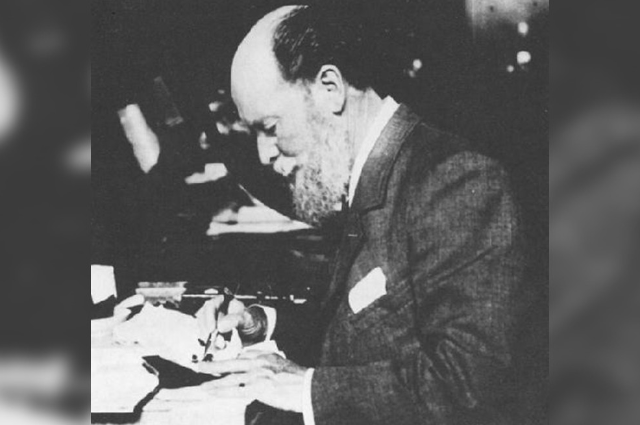
Introduction: The Allure of Fabergé
In the opulent courts of Imperial Russia, where gold and gems symbolised both wealth and power, one name stands above all in the world of decorative arts: Peter Carl Fabergé. Born in 1846 in St. Petersburg to a family of skilled jewellers, Fabergé transformed the craft of goldsmithing into an art form that blended technical mastery with unbridled creativity. Today, his creations—particularly the famed Fabergé eggs—remain iconic symbols of luxury, ingenuity, and the extraordinary artistic vision of late-19th and early-20th-century Russia.
Fabergé’s work thrived in a Russia defined by grandeur and ceremonial splendor. The imperial family and aristocracy demanded gifts that reflected their status, taste, and sophistication. Into this world, Fabergé introduced objects of astonishing delicacy and beauty: intricate flowers that seemed alive, miniature animals rendered in precious metals, and, above all, the celebrated Easter eggs commissioned by the Romanovs. These eggs were far more than ornamental treasures; each contained hidden surprises—miniature crowns, mechanical birds, or tiny clockwork creations—that delighted and astonished their recipients.
The fascination with Fabergé eggs endures across generations and disciplines. Scholars study them for their historical significance and artistry, while collectors prize them for their rarity and value. Artists and designers draw inspiration from their innovative techniques, and the public is captivated by the mystique of these jewelled marvels that bridge craftsmanship and fantasy.
This article explores the life and legacy of Peter Carl Fabergé, tracing his journey from a gifted apprentice to the official jeweller of the Russian imperial court. It delves into the origins, artistry, and intricate craftsmanship of the Fabergé eggs, examines their cultural and historical impact, and follows their dramatic journey through revolution, loss, rediscovery, and modern admiration. By the end, readers will gain a comprehensive understanding of why Fabergé’s creations continue to inspire wonder and reverence more than a century after their creation.
Peter Carl Fabergé: Early Life, Education, and Influences
Peter Carl Fabergé was born on May 18, 1846, in St. Petersburg, Russia, into a family with deep roots in the art of jewellery-making. His father, Gustav Fabergé, was a master jeweller of Huguenot descent whose family had fled religious persecution in France centuries earlier, bringing with them a legacy of meticulous craftsmanship and refined aesthetic sensibility. Growing up amidst the tools, materials, and ateliers of his father’s workshop, young Peter was immersed from an early age in the traditions of goldsmithing and gem-setting. The environment nurtured both his technical abilities and his artistic imagination, laying the foundation for what would become a lifetime of creative innovation.
Fabergé’s formal education in jewellery design was extensive and international. He trained at the renowned School of Arts and Crafts in St. Petersburg, where he learned classical techniques and gained exposure to Russian decorative traditions. Recognising the importance of European artistry, he continued his studies in Frankfurt and Dresden, cities known for their excellence in metalwork and enamel artistry. These experiences provided him with both technical mastery and an appreciation for the diversity of artistic styles across Western Europe. Later, he undertook study trips to Paris and London, centres of luxury, fashion, and design. These journeys allowed him to observe the works of leading European jewellers, the opulence of aristocratic collections, and emerging trends in decorative arts, from delicate enamel work to intricate miniature sculpture.
Fabergé’s aesthetic sensibility was a sophisticated blend of influences. He absorbed the elegance and symmetry of the Louis XVI style, the playful ornamentation of Rococo, and the refined humanism of Renaissance art, while remaining deeply inspired by Russian folk art and Orthodox religious motifs. This synthesis of Western European sophistication and Russian tradition became a defining characteristic of his work, enabling him to create objects that were simultaneously cosmopolitan and deeply connected to national culture.
In 1870, following the death of his father, Fabergé inherited the family workshop. This marked the beginning of his professional career as the head of a jeweller’s enterprise. Under his leadership, the workshop expanded both in scale and in ambition. Early achievements included jewellery and decorative objects commissioned by Russian aristocrats, displaying his distinctive combination of technical precision and artistic flair. By experimenting with innovative materials, enamel techniques, and miniature sculptural forms, Fabergé began establishing a reputation as a jeweller who valued artistry over mere opulence.
These formative years were crucial not only in developing Fabergé’s craftsmanship but also in shaping the creative vision that would later revolutionise the world of decorative art. The confluence of family tradition, rigorous European training, exposure to the luxury markets of Paris and London, and a profound understanding of both Western and Russian artistic idioms prepared him to lead the House of Fabergé into an era of unprecedented innovation and influence. It was this unique blend of skill, vision, and cultural insight that would soon catch the attention of the Russian imperial court and pave the way for the creation of the legendary Fabergé eggs.
Rise of the House of Fabergé: Leadership, Expansion, and Philosophy
When Peter Carl Fabergé inherited his father’s modest workshop in 1870, he faced the challenge of transforming a respected but relatively small family business into an enterprise capable of serving the elite tastes of Imperial Russia. Fabergé approached this task with both vision and meticulous care. He recognised that technical mastery alone would not suffice; he needed to elevate his creations into works of art that fused craftsmanship with imagination. Over the ensuing decades, the House of Fabergé evolved into a world-renowned atelier, celebrated for its precision, creativity, and innovation.
Collaboration was central to Fabergé’s approach. His younger brother Agathon joined the workshop in 1882, contributing both managerial skill and artistic insight. In addition, Fabergé relied on a team of exceptional artisans and master craftsmen, among them François Berbaum, whose expertise in design and execution allowed the studio to achieve levels of complexity and refinement previously unseen in Russian decorative arts. The atelier operated as a harmonious collective: Fabergé provided creative direction, ensured quality control, and inspired innovation, while the workmasters translated his visions into tangible masterpieces.
Fabergé’s design philosophy distinguished him from many contemporaries. Whereas traditional jewellers often emphasised the size and brilliance of gemstones, Fabergé prioritised artistry, elegance, and conceptual ingenuity. Each object was conceived not merely as a display of wealth but as a carefully orchestrated creation, combining intricate materials, refined forms, and often a sense of whimsy or surprise. This philosophy allowed him to produce objects that were visually stunning, emotionally engaging, and technically sophisticated, capturing the attention of both aristocratic patrons and later generations of collectors.
Under Fabergé’s leadership, the workshop expanded beyond jewellery into a wide array of luxury items. The atelier produced miniature sculptures, decorative animals, ornate furniture, functional objects such as clockwork automata, and intricate objets d’art that combined utility with aesthetic splendour. This diversification showcased the versatility of Fabergé’s vision and enabled the House to cater to a broad spectrum of aristocratic tastes.
Recognition of Fabergé’s artistry came swiftly. The display of his work at the Pan-Russian Exhibition of 1882 in Moscow brought him critical acclaim, earning a gold medal and establishing his reputation among Russia’s nobility. These accolades, combined with the atelier’s growing portfolio of innovative creations, positioned Fabergé as the preeminent jeweller of his era. The fusion of technical mastery, artistic originality, and collaborative expertise defined the House of Fabergé, setting the stage for its most celebrated achievements: the creation of the Imperial Easter eggs that would become synonymous with Russian luxury and craftsmanship.
The Birth of the Imperial Easter Egg Tradition
In 19th-century Russia, Easter was one of the most significant religious and cultural celebrations. The Russian Orthodox tradition emphasised renewal, rebirth, and festivity, with one enduring custom being the exchange of decorated eggs as gifts among family and friends. These eggs symbolised life, fertility, and hope, often adorned with painted designs or simple ornamentation. While the tradition was widespread, it remained largely modest—until Peter Carl Fabergé elevated it into a world of unparalleled artistry.
The transformation began in 1885 when Tsar Alexander III sought a lavish gift for his wife, Empress Maria Fyodorovna, to celebrate Easter. He commissioned Fabergé to create a special egg, giving the young jeweller both an extraordinary opportunity and a challenge: to transform a familiar religious and cultural symbol into an object of luxury, ingenuity, and surprise. Fabergé responded with the creation of the now-famous Hen Egg, a masterpiece that would lay the foundation for decades of imperial commissions.
The Hen Egg’s design was deceptively simple at first glance: a pristine white enamel shell resting elegantly in gold. Yet, beneath its modest exterior lay a series of ingenious surprises. Opening the shell revealed a golden “yolk,” and within it, a tiny gold hen perched on a bed of suede edged with finely stippled gold to evoke straw. The surprises continued—the hen contained a miniature replica of the Russian imperial crown, encrusted with diamonds and rubies, which in turn held a small ruby pendant. Each layer of this egg combined artistry, mechanical ingenuity, and symbolic meaning, delighting the Empress and securing Fabergé’s reputation as a jeweller capable of transforming tradition into a breathtaking display of creativity.
The success of the Hen Egg established an annual imperial custom. Alexander III commissioned an egg each Easter for his wife, and following his death in 1894, his son Nicholas II continued the tradition, presenting eggs both to his mother and his wife. These annual commissions encouraged Fabergé to innovate continually, experimenting with materials, motifs, and hidden surprises. Each egg became a symbol of personal affection, political stature, and the artistic height of the era.
The extraordinary craftsmanship and imaginative vision demonstrated in the Hen Egg and subsequent creations solidified Fabergé’s status as the official jeweller of the Russian imperial court. Beyond mere decoration, these eggs embodied the confluence of faith, tradition, and aristocratic opulence. They exemplified a new standard for luxury, where artistry, ingenuity, and cultural symbolism intertwined—a standard that would define the House of Fabergé and leave a legacy that continues to captivate the world more than a century later.
Craftsmanship and Innovation: How Fabergé Eggs Were Made
The brilliance of Fabergé eggs lies not only in their beauty but also in the extraordinary craftsmanship and meticulous planning that brought each piece to life. The House of Fabergé operated as a highly organised and specialised workshop, where creative vision and technical precision converged to produce some of the most remarkable objects in decorative arts history. While Peter Carl Fabergé himself conceptualised and supervised each design, the execution relied on a network of exceptionally skilled artisans and workmasters who translated his ideas into tangible masterpieces. Among the most prominent of these were Mikhail Perkhin and Henrik Wigström, whose expertise in metalwork, enamelling, and mechanical devices was critical to the production of Imperial eggs. The division of labour in Fabergé’s atelier allowed for multiple stages of work to occur simultaneously, ensuring that even the most complex designs could be realised with extraordinary precision.
Materials were selected with the utmost care, emphasising both aesthetic harmony and durability. The eggs were crafted from gold, platinum, and silver, often overlaid with vibrant enamels and adorned with diamonds, rubies, sapphires, emeralds, and other gemstones. Semi-precious stones such as malachite, jade, and lapis lazuli were also incorporated to create striking contrasts in texture and colour. Enamelling, particularly guilloché enamel, became a hallmark of Fabergé’s technique. This method involved engraving a fine pattern onto the metal surface, over which translucent enamel was applied. The result was a luminous, textured effect that captured light in intricate, shimmering patterns—a signature feature of many imperial eggs.
Fabergé’s design inspiration drew from multiple sources. French neoclassicism influenced the symmetry and elegance of certain eggs, while Rococo motifs introduced playful ornamentation and intricate flourishes. Simultaneously, he incorporated elements of Russian folk art, including motifs from nature and traditional craftsmanship, which lent each piece a sense of national identity. As the Art Nouveau movement emerged in Europe, Fabergé integrated sinuous lines, organic forms, and stylised natural patterns into his later works, demonstrating his responsiveness to contemporary trends while maintaining a distinctly Russian character.
Perhaps the most enchanting aspect of Fabergé eggs was their hidden surprises. Mechanical engineering, automata, and clockwork mechanisms were carefully embedded within the delicate forms. Tiny birds could emerge, miniature carriages could move, or clock dials could rotate—all seamlessly integrated into the aesthetic design. Achieving this required close collaboration between metalworkers, enamellers, and mechanical specialists, ensuring that artistry and functionality coexisted flawlessly.
The development process of an egg typically begins with conceptual sketches, followed by detailed designs and miniature models. Once approved, the artisans would select materials and begin construction, executing each stage with painstaking attention to detail. Every component—metalwork, enamel, gemstones, and mechanical elements—was meticulously crafted and assembled. This comprehensive process explains why each egg required nearly a full year to complete, from initial concept to final masterpiece.
Ultimately, the fusion of artistic vision, technical ingenuity, and collaborative precision made Fabergé eggs unparalleled in both the jewellery world and the history of decorative arts. They were not simply luxury objects; they were marvels of engineering, miniature sculptures, and narrative artworks all in one. Through these creations, the House of Fabergé set a standard of craftsmanship that continues to inspire jewellers, collectors, and artists around the world, affirming the eggs’ status as timeless symbols of creativity, opulence, and technical mastery.
Iconic Eggs: A Journey Through the Masterpieces
The Fabergé eggs remain timeless symbols of artistic brilliance, each reflecting a unique combination of craftsmanship, innovation, and cultural significance. Among the most celebrated are the Imperial eggs commissioned by the Romanovs, as well as private commissions for European aristocracy. Each egg tells a story through its materials, design, and hidden surprises, illustrating both the evolution of Fabergé’s style and the technical mastery of his workshop.
The Hen Egg (1885) marked the inception of the Imperial egg tradition and set the standard for all that followed. Commissioned by Tsar Alexander III for Empress Maria Fyodorovna, it appeared simple—a white enamel egg resting elegantly on a gold base—but it contained multiple layers of surprises. Inside the shell was a golden yolk, which housed a miniature gold hen, itself containing a tiny replica of the imperial crown and a ruby pendant. This intricate nesting of objects exemplified Fabergé’s innovation, marrying technical ingenuity with symbolic meaning: the egg represented fertility and renewal, the hen life and care, and the crown imperial authority. Its reception was overwhelmingly positive, cementing Fabergé’s role as the official jeweller to the Russian court.
The Blue Serpent Clock Egg (1895) reflected Fabergé’s exploration of integrating mechanics and aesthetics. Crafted from platinum, enamel, and gold, the egg featured a coiled serpent winding around the blue enamel body. The serpent’s head served as a clock hand, indicating the hour with precision and grace. This combination of timekeeping and ornamental artistry demonstrated Fabergé’s mastery of both engineering and design, creating an object that was functional, luxurious, and visually captivating.
By 1907, the Rose Trellis Egg showcased a softer, more romantic sensibility. Diamond-encrusted lattices framed delicate pink enamel roses, symbolising love and beauty. Unlike earlier eggs with mechanical surprises, the Rose Trellis emphasised floral elegance and aesthetic harmony, highlighting Fabergé’s growing interest in the Art Nouveau style while retaining the sophistication of classical European influences.
The Winter Egg (1913) is often regarded as the pinnacle of Fabergé’s creativity. Carved from rock crystal and adorned with platinum snowflakes, it contained over 3,000 diamonds. Opening the shell revealed a bouquet of intricately carved quartz flowers, representing spring emerging from the harshness of winter. The interplay of transparency, light, and precious materials exemplified Fabergé’s technical prowess and poetic vision, blending naturalism with symbolic narrative.
The Orange Tree Egg (Bay Tree, 1911) incorporated an automaton—a mechanical songbird that emerged when a jewelled fruit was pressed. Standing over ten inches tall, the onyx and gem-encrusted tree featured emerald leaves, amethyst berries, and delicate flowers. This egg combined botanical realism with technical ingenuity, illustrating Fabergé’s skill in creating objects that delighted through both visual beauty and interactive surprises.
Among private commissions, the Rothschild Egg (1902) epitomised luxury for European aristocrats. Crafted in pink enamel and adorned with diamonds, it featured a clock face and a tiny automaton bird that emerged on winding. This egg demonstrated how Fabergé adapted his Imperial designs for private clients, maintaining artistry, complexity, and elegance while catering to broader tastes.
The Karelian Birch Egg (1917) and Blue Constellation Egg (1917) represent Fabergé’s final Imperial creations, left unrealised due to the Russian Revolution. The Karelian Birch Egg, carved from rare wood, contained a mechanical gold elephant, while the Blue Constellation Egg was a glass egg atop rock-crystal “clouds,” intended for the Tsarevich. These unfinished projects show Fabergé’s continuing experimentation with materials, scale, and mechanics, signalling a shift from traditional enamel and gemstone work toward innovative, narrative-driven designs.
Collectively, these eggs illustrate the artistic evolution of Fabergé: from the classical symbolism and nested surprises of the Hen Egg, through mechanical and aesthetic experimentation in the Blue Serpent and Orange Tree Eggs, to the poetic naturalism of the Rose Trellis and Winter Eggs. Each masterpiece reflects the convergence of technical skill, creative imagination, and cultural storytelling, solidifying Fabergé’s legacy as a jeweller whose work transcends mere ornamentation to become an enduring symbol of beauty, innovation, and imperial history.
Fabergé and the Romanovs: A Relationship of Power, Prestige, and Intimacy
The relationship between Peter Carl Fabergé and the Romanov family was more than that of a craftsman and his patrons—it was a fusion of artistry, personal trust, and imperial symbolism. The Romanovs’ patronage provided Fabergé with unparalleled opportunities to innovate and experiment, while simultaneously establishing him as the preeminent jeweller of the Russian Empire. Tsar Alexander III’s commissioning of the first Hen Egg in 1885 began a tradition that would intertwine Fabergé’s creations with the intimate and ceremonial life of the imperial family.
Following Alexander III’s death in 1894, his son, Nicholas II, continued the annual dual-egg tradition, presenting one egg to his mother, Dowager Empress Maria Feodorovna, and one to his wife, Empress Alexandra Feodorovna. These eggs were not mere gifts; they were tokens of familial affection, status, and devotion. Each egg reflected personal symbolism, often incorporating motifs meaningful to the recipient, from portraits and monograms to references to family events or milestones.
The eggs also served as mirrors of the Romanovs’ political and social identity. Their luxury, craftsmanship, and inventive surprises projected imperial authority and sophistication, reinforcing the monarchy’s image both at home and abroad. Yet, as the years progressed, the increasing complexity and extravagance of Fabergé’s designs also symbolised the broader opulence of a regime on the verge of crisis. The juxtaposition of these lavish objects against the growing social unrest in Russia underscores their dual role: as intimate tokens of love and as silent witnesses to the transformation of a nation.
Ultimately, the Imperial Fabergé eggs were a unique intersection of art, emotion, and power. They exemplified the Romanovs’ refinement and their personal connection to Fabergé, while simultaneously chronicling a period of cultural grandeur soon to be eclipsed by revolution. Through these creations, Fabergé not only served the Romanovs’ tastes but also captured the essence of an era, immortalising the family’s legacy in gold, enamel, and jewels.
Collapse and Exile: The Russian Revolution and the End of Fabergé’s Empire
The world that Peter Carl Fabergé had so meticulously adorned with jewels and artistry came to an abrupt and dramatic end with the Russian Revolution of 1917. The abdication of Tsar Nicholas II marked not only the fall of the Romanov dynasty but also the sudden cessation of the imperial patronage that had sustained Fabergé’s creative enterprise for over three decades. The dual-egg tradition that had become an annual hallmark of the Romanovs’ Easter celebrations ceased almost overnight, leaving Fabergé’s atelier without its most prestigious clients.
In the months following the revolution, Bolshevik authorities seized the House of Fabergé’s workshops. Factories and studios in St. Petersburg, Moscow, Kiev, and London were nationalised and placed under the control of committees composed of former employees, effectively dismantling the structure of the atelier. Precious materials, finished works, and unsold stock were confiscated, and the careful order of Fabergé’s workshop was irrevocably disrupted. What had been a centre of creativity and luxury became subject to the ideological and economic upheavals of a nation in turmoil.
Faced with the impossibility of continuing his work under these circumstances, Fabergé fled Russia in 1918. He settled in Switzerland, carrying with him only the memories and sketches of his creations. The final years of his life were marked by displacement and the quiet reflection of a career that had transformed the art of jewellery-making forever. He died in Lausanne in 1920 at the age of seventy-four, far from the opulence and recognition of the Russian court he had so brilliantly served.
The aftermath of the revolution led to the fragmentation of Fabergé’s collection. Imperial eggs, jewellery, and objets d’art were dispersed across Europe and America, often entering private collections or being sold through auction houses to satisfy urgent financial needs or political imperatives. Many of these objects would resurface decades later, revealing the breadth and genius of Fabergé’s work to new generations. Though the empire that had celebrated his craft fell, Fabergé’s legacy endured, preserved in museums, private collections, and the enduring fascination with his intricate masterpieces.
Lost, Found, and Rediscovered: The Modern Odyssey of the Eggs
After the Russian Revolution, the fate of the Fabergé eggs became as complex and storied as the objects themselves. With the fall of the Romanovs and the seizure of the House of Fabergé’s workshops, the eggs were dispersed across Europe and eventually the world. Some were sold by the new Soviet government to raise foreign currency, while others disappeared into private collections. Over the decades, historians and collectors struggled to trace their whereabouts, creating an aura of mystery that only enhanced their allure.
Of the fifty Imperial eggs commissioned for the Romanovs, forty-three are known to have survived, five were destroyed, and two remain missing, their locations lost to history. The eggs that resurfaced often carried extraordinary provenance, reflecting both the wealth of their owners and the turbulent journey they had endured. Each discovery became a sensation in the art world, highlighting not only the eggs’ craftsmanship but also their historical significance as artefacts of a bygone imperial era.
Among the most remarkable modern discoveries was the so-called Third Imperial Egg, purchased in the 1990s for scrap metal at a flea market in the United States. The buyer paid less than $15,000, unaware that the object was a priceless Fabergé masterpiece. It was not until 2012 that experts began to suspect its true origin, and by 2014, it was formally verified as an Imperial egg. The story captivated the public, demonstrating that treasures of immense historical and monetary value could still be hidden in plain sight.
Today, Fabergé eggs command extraordinary prices at global auctions, sometimes exceeding tens of millions of dollars. Their rarity, beauty, and intricate craftsmanship make them among the most coveted decorative objects in the world. Museums have increasingly recognised their cultural and artistic significance, featuring them in dedicated exhibitions that allow the public to appreciate not only their opulence but also the innovation and skill involved in their creation.
The modern odyssey of the Fabergé eggs, from imperial treasures to revolutionary dispersal, and finally to rediscovery and museum display, underscores their enduring fascination. They are more than objects of luxury—they are historical documents, symbols of creativity, and reminders of a vanished world that continues to captivate and inspire collectors, scholars, and art lovers around the globe.
Legacy of Fabergé: Influence on Modern Jewellery and Popular Culture
The influence of Peter Carl Fabergé extends far beyond the gilded walls of Imperial Russia, leaving an indelible mark on both contemporary jewellery and popular culture. In the decades following the dispersion of his creations, the Fabergé name became synonymous with technical mastery, imaginative design, and luxurious artistry. Recognising the enduring appeal of this legacy, the Fabergé brand has been revived in the modern era, producing high-end jewellery and decorative objects that reinterpret the spirit of the original works while catering to contemporary tastes. Modern collections incorporate techniques inspired by Fabergé’s use of enamel, gemstones, and miniature craftsmanship, highlighting the timeless elegance and innovation that defined the House of Fabergé.
Fabergé’s influence is particularly evident in luxury design and haute joaillerie, where jewellers around the world draw inspiration from his meticulous attention to detail, inventive use of materials, and incorporation of narrative and symbolic elements into wearable art. From intricate enamel work to mechanical surprises, contemporary jewellers echo Fabergé’s philosophy that beauty and craftsmanship must coexist with creativity and storytelling. His pioneering combination of artistry and engineering continues to shape trends in decorative arts, influencing furniture design, miniature sculptures, and bespoke luxury objects.
The cultural fascination with Fabergé extends beyond the world of jewellery. His eggs and other creations have been featured in films, exhibitions, literature, and documentaries, captivating audiences with their blend of historical intrigue, artistic innovation, and sheer opulence. Major museums regularly display Fabergé masterpieces, allowing the public to appreciate both their aesthetic brilliance and the rich history of Imperial Russia that they embody.
Ultimately, the Fabergé story resonates today because it embodies a unique convergence of art, history, beauty, and mystery. Each egg and objet d’art tells a story of creative genius, imperial grandeur, and the human desire to transform ordinary materials into extraordinary works of art. Fabergé’s legacy endures not merely as luxury objects but as cultural icons that continue to inspire collectors, artists, historians, and the public alike, bridging centuries and continents with the timeless allure of skill, imagination, and elegance.
Conclusion: The Immortality of Craftsmanship
Peter Carl Fabergé’s life and work exemplify the pinnacle of creative genius and unwavering devotion to artistry. His meticulous approach to jewellery-making and decorative arts elevated objects of luxury into timeless masterpieces, blending technical precision with imaginative storytelling. Fabergé was more than a jeweller; he was a visionary who understood that true artistry lies not only in materials or opulence but in the ability to evoke emotion, narrative, and wonder. His creations—especially the celebrated Imperial eggs—stand as enduring testaments to the heights that human creativity and craftsmanship can achieve.
The Fabergé eggs represent far more than wealth or status; they are repositories of memory, culture, and history. Each egg encapsulates personal stories, familial affection, and imperial grandeur, serving as both intimate gifts and cultural artefacts. Through their intricate designs, hidden surprises, and symbolic motifs, they convey the artistry of a specific era while reflecting broader narratives of Russian society, tradition, and historical transformation. These objects remind us that luxury can be meaningful, connecting people across time through beauty, skill, and thoughtful design.
Central to Fabergé’s enduring appeal is the element of surprise embedded in each egg. From tiny automata and hidden portraits to miniature crowns and mechanical birds, these features engage viewers in a playful yet profound dialogue with the artwork, encouraging curiosity and reflection. This ingenuity, combined with flawless craftsmanship, creates objects that transcend their physical form, allowing audiences to experience both delight and awe. Moreover, the eggs remain emblematic of Imperial Russia, capturing the opulence, creativity, and complexity of a vanished world while preserving its cultural memory.
Fabergé’s masterpieces continue to captivate collectors, historians, and the public alike because they embody the convergence of imagination, technical excellence, and historical significance. They are not merely decorative objects but cultural icons, bridging artistry and history, luxury and meaning. Through his work, Fabergé reminds us that true craftsmanship is immortal—it resonates across generations, inspiring admiration, study, and creativity. The fascination with his eggs endures because they are more than jewels; they are timeless expressions of human ingenuity, devotion, and the capacity to transform the ordinary into the extraordinary. In every enamel surface, gemstone, and hidden surprise, Fabergé’s legacy lives on, immortalising both his artistry and the world he so vividly captured.
References
- Britannica – Fabergé egg overview (history, survival, and rediscovery)
- Official Fabergé site – Imperial eggs history and the Hen Egg origin story
- Official Fabergé site – company history and imperial patronage (Pan‑Russian Exhibition, court title)
- Forbes article on record sales and modern market interest in Imperial eggs