
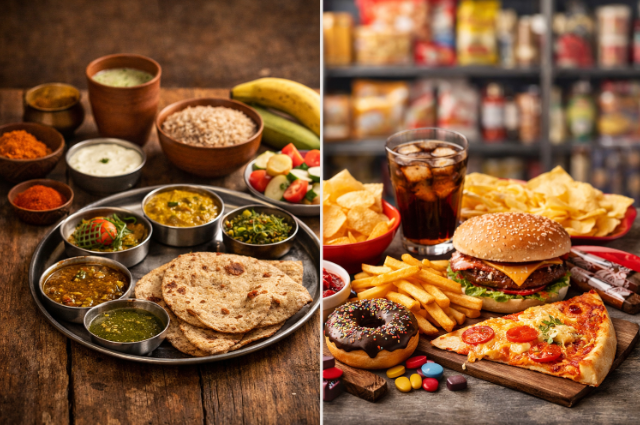
India carries the unfortunate label of being the “diabetes capital of the world,” but this didn’t happen overnight. There was a time when diabetes was rare in Indian households.
It wasn’t something every family worried about. It wasn’t discussed at dinner tables or monitored with daily medicines. People ate what was grown locally, worked physically throughout the day, and rarely heard words like "insulin resistance" or "blood sugar spikes."
Fast forward to today, and the picture looks very different.
India now has the highest number of people living with diabetes in the world. According to health estimates, over 77 million Indians are diabetic, and many more don’t even know they’re at risk. And it didn’t happen just because Indians love sweets.
To understand why India became the world’s diabetes capital, we need to look at how our lives changed.
India in Its Diabetic-Free Days
Traditionally, Indian meals were simple and seasonal. Food was cooked at home, portions were moderate, and ingredients were fresh. Most people walked long distances, worked in farms, markets, or physically demanding jobs, and spent very little time sitting.
Sugar existed, but it wasn’t everywhere. It wasn’t hidden in packaged food, drinks, breakfast cereals, or snacks. Desserts were occasional, not daily.
This lifestyle naturally kept blood sugar levels in check. Diabetes existed, but it was uncommon and mostly affected older adults. Then modern life arrived.
How Urbanization Changed Our Habits
Urban life brought office jobs, longer sitting hours, fast food, packaged snacks, and less movement. Physical work was replaced by screens. Walking was replaced by vehicles. Home-cooked meals were replaced by quick options.
People started consuming more refined carbohydrates, more sugar, and more processed food than previous generations. At the same time, daily physical activity dropped sharply. The body simply wasn’t built for this combination.
Studies have consistently shown that diabetes rates are much higher in urban areas compared to rural ones. But now, even rural India is catching up as lifestyles change there too.
Urbanisation didn’t just change our surroundings. It changed how our bodies function.
Lifestyle Choices Add to the Risk
One of the biggest contributors to diabetes in India today is diet.
Refined carbs like white rice, maida, packaged snacks, sugary drinks, and “instant” foods dominate modern diets. These foods cause quick spikes in blood sugar. Over time, the body struggles to manage these spikes, leading to insulin resistance.
Another issue is portion size. Meals have become heavier, frequent snacking has become normal, and eating late at night is common.
Add to this low physical activity. Many people don’t exercise regularly, not because they don’t care, but because daily life doesn’t demand movement anymore.
Sleep problems, high stress, irregular routines, and constant screen exposure add another layer of risk. Stress hormones directly affect blood sugar levels, quietly pushing the body toward diabetes.
But here’s the part we often miss.
It’s not just what we eat. It’s what we don’t realise we’re eating.
The Real Problem Isn’t Jalebi. It’s Hidden Sugar.
Traditional Indian sweets are easy to blame because they’re visible. We know when we’re eating a gulab jamun. We know it’s indulgent. We don’t pretend it’s healthy.
The real damage comes from sugar that hides behind labels that sound safe, modern, and even nutritious.
Packaged foods today are flooded with what looks like “better choices.” A few of them are digestive biscuits, high-fibre cereals, energy bars, health drinks for kids, and low-fat snacks. These are the products where sugar-free claims are in bold letters.
This is where the problem begins.
When fat is removed from food to make it appear healthier, sugar is often added to keep the taste appealing. Many products marketed as everyday essentials quietly carry 15 to 20 grams of sugar per serving. For children, that’s almost the entire recommended daily sugar intake in one glass or bowl.
Parents think they’re making smart choices. Office-goers think they’re snacking responsibly. In reality, sugar keeps sneaking into the body, meal after meal, day after day.
The “Health Halo” Trap
Brands use something called a health halo, a psychological trick where one positive word distracts from everything else. Terms like “high-fibre,” “fortified,” “digestive,” or “fat-free” pull attention away from the ingredient list.
So we stop checking, we stop questioning, and we end up trusting the front of the pack.
And sugar benefits from that trust.
When Labels Start Lying Without Lying
Even when consumers try to be careful, labels make it harder than it needs to be.
Sugar doesn’t always show up as “sugar.” It hides under dozens of names: maltodextrin, glucose syrup, invert sugar, corn syrup solids, fructose, dextrose. The average buyer doesn’t recognise these as sugar. But the body does.
To make matters worse, India’s food labeling system is still confusing. Star ratings and vague nutrition scores can make a high-sugar cereal look healthier than it actually is. Clear warning labels, the kind that plainly say “high in sugar,” are still debated instead of implemented.
So people keep consuming more sugar than they realise, believing they’re doing the right thing.
The Silent Biological Threat
This is where Indian bodies respond differently.
Unlike the typical Western image of diabetes linked to visible obesity, many Indians develop a condition known as TOFI, thin outside, fat inside.
A person may look slim, fit into their clothes, and still carry dangerous fat around vital organs like the liver and pancreas. This visceral fat interferes with insulin, pushing the body toward diabetes without obvious warning signs.
This is why diabetes in India often appears suddenly. People don’t see it coming because they don’t look unhealthy.
High sugar intake plays a major role here. It fuels visceral fat accumulation and has led to a growing number of young Indians developing non-alcoholic fatty liver disease, something once seen mainly in older adults.
The damage happens quietly. By the time symptoms show up, the condition is already established.
This Is Bigger Than Personal Choice
At this point, it’s hard to keep calling this a lifestyle issue alone.
Yes, personal habits matter. But when sugar is embedded into everyday food, marketed as healthy, and hidden behind complex labels, choice becomes compromised.
This crisis doesn’t just affect health. It affects finances. Diabetes is a lifelong condition that requires constant monitoring, medication, and care. For middle-class families, this becomes a long-term economic burden, not just a medical one.
Which is why the solution cannot rely only on willpower.
It requires stronger food regulations, clearer labeling, honest marketing, and public awareness that shifts the blame from traditional food to modern deception.
India didn’t become the world’s diabetes capital because of its culture. It happened because of what quietly replaced it.
And until we address hidden sugar, misleading labels, and the systems that allow them, the numbers will keep rising, no matter how many people swear off sweets.
The Way Forward
India didn’t become the world’s diabetes capital because its people lacked discipline or because our food culture was flawed. We got here because the food environment around us changed faster than our awareness did. Sugar didn’t arrive loudly. It slipped in quietly, disguised as convenience, health, and progress.
This crisis cannot be solved by asking individuals to simply “eat better” while shelves remain stocked with misleading products and confusing labels. Awareness matters, but so does accountability. Clear front-of-pack warnings, stricter regulation of health claims, and honest communication from food brands are no longer optional. They are necessary.
At the same time, the solution doesn’t lie in rejecting modern life altogether. It lies in reconnecting with basics: home-cooked meals, seasonal food, regular movement, adequate sleep, and questioning anything that comes wrapped in a health halo. Diabetes prevention doesn’t require extreme diets or fear. It requires clarity.
India once lived without counting carbs or checking sugar levels daily. Getting back to that balance doesn’t mean going backwards. It means choosing transparency over marketing, prevention over treatment, and long-term health over short-term convenience.
Reference: