
In lots of places where Muslim people live, the hijab is a thing that shows their faith and makes them feel good about themselves and their relationship with Allah. For women, wearing the hijab is something they do because they want to, and it helps them feel close to Allah and peaceful inside.
The hijab is a deal for these women, and they wear it because they love Allah and they really believe in what they are doing. However, in Iran, things are different. For more than forty years, women in Iran have had to wear the hijab; it is not something they can choose to do or not to.
Since 1979, the government in Iran has said that women have to wear the hijab, so people wear it because they have to, not because they really want to. When people are forced to do something because they are scared, it is not really about what they believe in. This is what happens when something like a hijab becomes more about politics than about religion. So when women in Iran burn their hijabs in public, people often do not understand what they are doing. The women are not always saying they do not like Islam. They are saying they do not like being told what to do. Islam is a religion that is supposed to help people, not a way for some people to be in charge of others. The women are against a system that uses religion to control people.
The pain and anger we see today did not just happen. It has been building up for a long time, hidden under silence and fear. Then something terrible happened in September 2022. A young woman named Mahsa, also known as Jina Amini, died. Mahsa Amini was 22 years old when the Morality Police arrested her. They said she was not wearing her hijab correctly.
People who saw Mahsa Amini said the police beat her while she was in their custody. After that, Mahsa Amini fell into a coma. Mahsa Amini died three days later. The death of Mahsa Amini is what made people very angry. It finally came out. Her death really hurt the country deeply. Before that, a lot of people were afraid, and they did not say anything. They were tired. They just kept quiet. When a young woman like Mahsa dies just because of what she was wearing, it is very hard to believe that the system really cares about what is right or wrong. For Iranians Mahsas death was a very sad reminder of how much the government wants to control women's lives and what they can do with their own bodies. Mahsa's death showed people that the system is not really about morals or values; it is about controlling people, like Mahsa and other women.
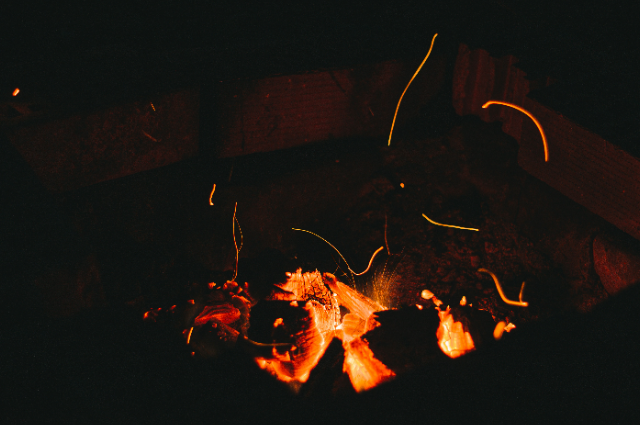
The streets were different after that. A lot of people came out. Something big happened. Women started doing something that had not done before. They took off their hijabs in the street. Set them on fire. This is a brave thing to do in a country like Iran. It can get you into trouble. You could lose your freedom. Even get hurt very badly. Sometimes it can cost you your life. The women were saying something important and loud. They were saying, "My body belongs to me. Iranian women were saying you do not control my life. ' Iranian women were saying, "My body is not yours." The movement for Women, Life, Freedom has an important saying: Women, Life, Freedom. This saying shows that the movement is not about a piece of clothing. It is about being able to live with dignity. Women in Iran have been living in fear for a time. They are scared of being stopped by the police, questioned, fined or even arrested because of the way they look. When women in Iran burn their hijab in public, it is not just because they are angry. It is because they are trying to be free from the fear that they have been living with. The movement for Women, Life, Freedom is very important to these women. Women, Life, Freedom is what they are fighting for.
Outside of Iran, a lot of people believe this movement is totally against Islam.The reality is that it is really about people, and it is complicated. Many women who do not want to be forced to wear the hijab are still Muslim. The movement is not about being against Islam; it is about being against people telling them what to do. Some women even choose to wear the hijab because they want to. They are not against the faith; they are against being forced to do something. If you really believe in something, it should come from the heart. The Islamic faith cannot really be strong when people are scared to follow it. When you are worshipping because you are afraid, it does not feel real. When the police and prisons and violence are used to make people follow the faith, it is not a spiritual thing anymore; it is just a way for some people to have power over the Islamic faith and the people who follow it. Faith is something that you feel inside your heart. It is not something that someone else can force you to do with your body. Faith is a thing that comes from the heart.
The big protests happened in 2022. People never really stopped fighting back. In 2024 and 2025, a lot of women in cities like Tehran, just decided to stop wearing hijabs when they went out in public. This was a way for them to protest every day. They did not hold up signs. Women just walked around and lived their lives. Existed without doing what the law said because they thought the law was wrong. The government did not try to understand them, instead they made stricter laws. The government made laws called "Hijab and Chastity" laws. These laws were very strict. The punishments for breaking these laws became really harsh. Fines for breaking the law went up a lot. The government also started watching people closely.
The people did not like these laws, but the government did not listen to them. The system became even stricter. Controlled the people even more. The "Hijab and Chastity" laws made life harder for people.
In the year 2023, something sad happened again. This made people remember a thing that had happened before and never really went away. A seventeen-year-old girl named Armita Geravand got on the Tehran Metro without wearing a hijab. Not after that, people saw her being carried out of the train, and she was not awake. The people in charge showed a video from a security camera. They did not show everything that happened. People who saw what happened said that someone who makes sure women wear hijabs pushed Armita Geravand, and she hit her head. Armita Geravand went into a coma. Died twenty-eight days later. The death of Armita Geravand is a sad thing. Armita Geravand will be remembered. People started calling her the Mahsa. This was because the Mahsas story showed something that really hurt: things were still the same. The same things were happening to the Mahsa, and people were using the same excuses. The same violence was still going on just like it was before. The second Mahsa was going through it.
The sad and hurtful part of what happened is something that people often do not talk about: when the police did something very bad to protesters on purpose. They shot metal balls right at people's faces, especially their eyes. A lot of people got hurt so badly that they lost one eye or even both eyes. This was not something that just happened by mistake. The police did it to scare people for the rest of their lives. Then something surprising happened. Many of the men and women who got hurt shared pictures of themselves online and said, "I lost my eye, but I found my vision." This bad treatment did not make them quiet; it actually made the people very brave in a way. The cruelty sparked a kind of courage in them, and that is what happened to the people who were treated badly.
By the end of 2024 and going into 2025, the government figured out that treating women badly in the streets was hurting the way people saw them around the world. So they changed how they did things. They started being quieter and colder about it. They used modern ways to keep an eye on people. They put up cameras that used intelligence and facial recognition to watch the streets. If a woman were caught driving without wearing a hijab, the police might not take her away then. Instead, she would get a message on her phone. It might be a fine, a warning or even a threat. Sometimes the government would take money out of her bank account. Sometimes they would even use computers to make her car stop working from afar. The government was still trying to control women. They were doing it more quietly. They were using technology to keep track of women and punish them if they did not follow the rules. Women were still getting in trouble for things, like driving without a hijab. Now it was happening in a more modern and sneaky way. The government shut down shops and cafés that served women who did not wear hijabs. This made daily life feel like a prison that you could not see, and it forced people, like women and men, to be a part of the punishment of women who did not wear hijabs.
At the time, the economy of Iran was getting really bad. The money was not worth much anymore. Prices were going up every day. People were having a hard time buying the basic things they needed. By 2026, even the Bazaaris, who usually supported the government of Iran, started going on strike. Now the protests in Iran are not about the hijab, they are also about people being hungry, poor and angry about corruption in Iran. When women in the streets of Iran and merchants in the markets of Iran start talking about how angry and hurt they are, it means that the government of Iran will start to get scared.
Narges Mohammadi is a woman who gives people hope. She is in a lot of trouble. She is still doing things to help others. Narges Mohammadi won an award called the Nobel Peace Prize in 2023. Even with this big award, Narges Mohammadi is still in Evin Prison.
Narges Mohammadi does a lot of things from her prison cell. She organises people to sit together and protest, and writes letters to people to tell them what is happening. She also talks about the things that are happening to other women in prison. The people in charge can put Narges Mohammadi in prison. They cannot stop Narges Mohammadi from speaking out. Her voice is still heard by people.
There is something sad about all of this. Islam is about being genuine and making choices. Forcing people to be modest is not a thing, and being scared into worshipping is not worthwhile. When a government uses religion as a tool, it does not help people believe; it actually hurts their faith. What is going on in Iran is not about being against Islam. It is about people fighting against others who use Islam to boss them around. People usually just see the surface of things, like clothes on fire. What is really burning is the fear that people have. Islam is supposed to be about intention and sincerity. That is what is important, not using it to control people. Slowly, painfully, yet bravely, courage is rising in its place.
Iran, being an Islamic country, has rules that are against Islam because Islam doesn't promote forcing. The book of Islam (Quran) itself mentions that “There is no compulsion in religion”. Sadly, the force doesn't just exist in a single country. Various parts of the world force laws that turn into Ashes of Control. In some parts of the world, like Iran, people burning Hijab because it's being imposed, and in some parts of the world, like France, people are said to remove the hijab forcefully. Thus, both kinds of forceful law exist!
REFERENCES
The Death of Mahsa Amini (The Catalyst)
These sources cover the arrest and death of 22-year-old Mahsa Amini in September 2022, which sparked global outrage.1
- BBC News: Mahsa Amini: The woman whose death sparked a movement
- Amnesty International: Death of Mahsa Amini: What happened and why it matters
- Britannica: Biography of Jina Mahsa Amini & The Protests
The "Woman, Life, Freedom" Movement (Symbolism)
These articles explain the meaning behind burning the hijab and the slogan Zan, Zendegi, Azadi.
- The Guardian: Women, life, freedom: the slogan that united a nation
- Carnegie Endowment for International Peace: Hijab in Iran: From Religious to Political Symbol
- NPR: Why Iranian women are burning their headscarves
Recent Laws & "Hijab and Chastity" Bill (2024–2025 Context)
These sources detail the government's recent crackdown and the new, harsher laws passed to punish women who refuse to wear the hijab.
- Human Rights Watch: Iran: New Hijab Law Adds Restrictions and Punishments (Oct 2024)
- Amnesty International: Iran: New compulsory veiling law intensifies oppression of women (Dec 2024)
- United Nations (OHCHR): UN experts say Iran’s proposed hijab law is a form of gender apartheid