
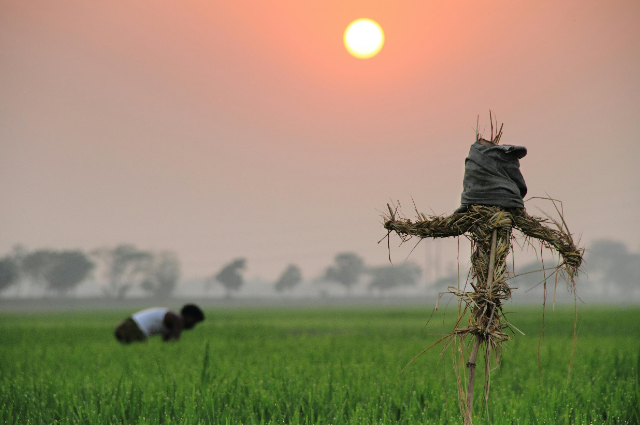
In a village in Punjab, a farmer named Surjeet Singh felt sad for a long time. When he had a lot of debt, and there was no rain he felt like giving up. Surjeet Singh never talked about his feelings to anyone. He only went to see faith healers in his village. After Surjeet Singh died, his son Ranjeet felt sad too. It was not until Ranjeet talked to a friend who lived in another country that he decided to see a psychiatrist. When he finally went to see the psychiatrist he started to feel better. This story shows that mental health issues can happen to anyone, no matter where they live or if they are a man or a woman. These issues are not just in cities, they are also in areas and towns.
Many people think that mental health problems are a sign of weakness or that they only happen to women who live in cities. Experts do not agree with this. The American Psychiatric Association says that mental health issues are caused by a combination of genes, trauma and stress. UNICEF also says that having a health condition does not mean someone is weak; it means they are brave enough to ask for help. Feeling anxious or depressed is not something to be ashamed of. It is like having diabetes or heart disease; it can happen to anyone. It is caused by many things.
Researchers around the world use the biopsychosocial model to understand mental health. This model says that biology, psychology and sociology all play a role in health. The World Health Organization says that genetics and substance use can increase the risk of health issues. So can social problems like poverty, violence and inequality. For example, a farmer in India who is struggling with debt or a young person who drops out of school can experience trauma and stress that can lead to depression or anxiety. Mental health issues are not caused by one thing; they are caused by things that happen over time and affect a person's well-being. Even people who live in homes can have mental health struggles. UNICEF says that unemployment, violence and migration can also affect health. Children from loving families can still have health issues if they experience stress.
Because the causes of health issues are complicated, getting better is often a process. Treatment is different for everyone. Therapy and medication can help balance brain chemistry and thinking patterns. A psychologist once said that going to therapy is like exercising. It helps the brain get stronger and manage stress. For some people a combination of therapy, healthy habits and sometimes medication can help them become more resilient. It is important to remember that being successful at work or school does not mean someone is not struggling with health issues. People who achieve a lot can also struggle with health issues in silence. UNICEF reminds us that children who seem to have everything, like grades and many friends, can still feel depressed because of the combination of biology and stress.
Many people hide their health struggles. They wake up every morning. Put on a brave face because that is what their culture expects. In India, a man might feel like he has to be tough for his family so he hides his nights and panic attacks. Psychologists call this "masking". Even the Pew Charitable Trusts says that many people with health issues become good at hiding their symptoms. They blend in, go to work and have relationships all while struggling with their pain. This makes the struggle invisible. When the mask slips, do friends or family notice the problem? Unfortunately, by then, the person may be close to burnout. This leads to thoughts like "I felt fine, why should I see a doctor?" In reality not feeling completely fine is a reason to seek help.
It is also important to understand that mental health issues can have effects; they are not just mental concerns. Anxiety can make your heart beat fast, like you are running away from a tiger or make you feel breathless during a panic attack. Depression can lead to fatigue, changes in appetite or a heavy feeling in your chest. Sleep can be disrupted, and hormones can. Brain activity can change. Doctors have seen these changes. For example, people with panic disorder have heart patterns and sweating during episodes. You would not say someone with a leg injury is weak for using crutches. We need to recognise that expecting willpower to solve a health issue is not realistic.
The words we use are important. In villages and towns across India, people often say things like "He's OCD" or "You're being paranoid" without thinking. Psychology experts warn that this kind of language makes mental health conditions seem serious. For someone who really has acompulsive disorder, their rituals and fears can be very distressing, not just about cleanliness. Using these terms casually can make people with health issues feel inferior or lazy and make them hide their symptoms. In cultures where reputation and honor're very important, this stigma can be particularly strong and make people too ashamed to ask for help.
The main barriers to recovery in these areas are shame, fear and isolation. If people make jokes or blame others when they talk about stress, they will be afraid to seek help. We need to change these attitudes. Making therapy and open discussions common can help. Like sports or yoga can make the body strong, we can think of mental fitness as a regular practice. The American Psychiatric Association encourages people to think of therapy as a gym workout, a regular effort. In Punjab, some doctors have seen a change. Half of their patients now come from villages, which is a big increase. More awareness leads to conversations. Families and local leaders are starting to realise that counselling is not just for people who live in cities or those who are labelled "crazy".
Communities can also help by using the resources that are available. India's health system is training village health workers to recognise signs of depression and anxiety. The goal is to bring health care to primary health centres. Outreach programs and village health camps can also be effective. In fact, local teams have started organising de-addiction and mental health camps in villages and encouraging people to talk about their problems. Each time a family talks about stress or anxiety, the idea that "only city people have health issues" becomes weaker.
Ultimately, mental health in India should not be something to be ashamed of. It is a part of life that has been hidden for a long time. Just like we have clinics for health, we can have support for mental well-being too. By recognising that anyone can feel depressed, like farmers, labourers, students and even "city girls", we can get rid of the myths. We must remember that behind every quiet person may be someone who is waiting for help. If we listen without judging and treat health with the same care as any other illness, we can bridge the rural gap. Therapy can become as common as a check-up. Stigma can give way to support. Mental health issues are a part of life, and mental health care is a part of healthcare. We need to make mental health care more available and more common so that everyone can get the help they need.
REFERENCES:
- https://www.psychiatry.org
- https://www.who.int
- https://www.unicef.org
- https://timesofindia.indiatimes.com
- https://www.psychologytoday.com
- https://www.samarpanhealth.com