
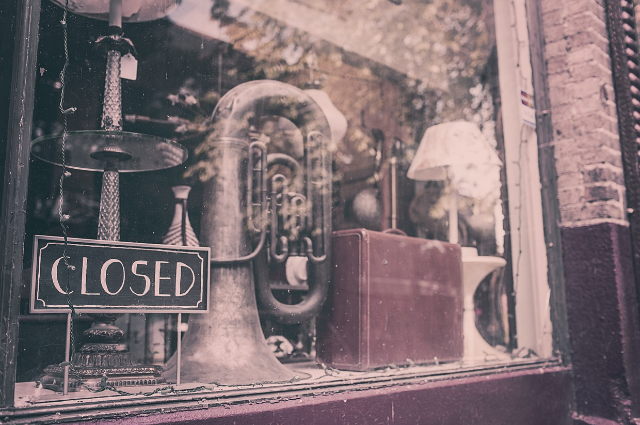
We all get nostalgic sometimes. Maybe it’s for old music, handwritten letters, or streets that felt quieter and softer. But here’s the surprising part: many of the “old” things we love were never truly old at all. They were designed to look old, carefully crafted by architects, advertisers, and designers to make us feel comfort and familiarity. This is what we call faux nostalgia: a longing for an imagined past that industry, media, and design purposely created. And when you look closely at history, you’ll see that entire eras, and even entire cities, were built for national expositions which were constructed to sell this manufactured memory.
Nostalgia is powerful. It makes us feel grounded, safe, and connected, especially during times of uncertainty. Designers caught onto this early. They realized that if something looks like it belongs to a peaceful old era, people automatically trust it. So they started reviving Victorian cottages, Colonial mansions, mixing bits of history that looked “classic” or “pure” and turning them into a comforting aesthetic. These weren’t accurate recreations. They were selective memories, made to feel warm and familiar even if the real historical periods were far more complicated. In a way, it is “history with the bad parts deleted,” a romanticized version of time that comforts more than it informs.
By the late 1800s, revival movements were everywhere, and they shaped how entire nations saw themselves. Victorian Revival brought delicate ironwork, tall windows, and decorative roofs back into popularity, not because people missed the realities of Victorian life, but because the aesthetic felt cozy and nostalgic. At the same time, America’s Colonial Revival created a polished, idealized image of colonial times: white facades, red-brick houses, symmetric windows. They became symbols of tradition even though the real colonial era was harsher and far less charming than the architecture implied. These revivals weren’t really about preserving history. They were about creating a mood, helping people feel connected to a tradition during a time when industrialization was rapidly changing everything around them.
If you want to see faux nostalgia at its most dramatic, look at the grand national expositions, huge events where cities built temporary worlds to showcase culture, pride, and innovation. The 1893 Chicago World’s Fair is one of the clearest examples. The fair introduced an entire city built in shining white, designed in grand classical style, columns, arches, domes, fountains, like ancient Rome reborn in the American Midwest. It looked noble, heavenly, and “timeless,” and visitors felt as if they were stepping into a glorious past. But none of it was historical. Most buildings were temporary plaster structures designed purely for spectacle. Yet millions walked through believing they were experiencing a golden age, and soon after, real American cities and homes began copying this look. The fair didn’t just show a fantasy, it reshaped national taste, sparking the Colonial Revival boom that influenced architecture for decades.
A similar example is the 1915 Panama–California Exposition in San Diego, where organizers wanted the city to feel “historic,” so they created a dreamlike vision of Spanish colonial architecture, white stucco walls, carved facades, domes inspired by old Spanish churches. Visitors fell in love with the romantic image of “old California,” even though most locals had never lived in such buildings historically. As people embraced the style, entire neighborhoods across California adopted the same aesthetic, proving how easily an invented past can become a real part of cultural identity. With just one exposition, San Diego rewrote its architectural story and sold a version of history crafted more for beauty than accuracy.
If world fairs created temporary nostalgia worlds, Disneyland made the idea permanent. When Disneyland opened in 1955, its Main Street, U.S.A. became one of the most powerful nostalgia symbols in modern culture. It presented an adorable, perfectly clean American small town from the early 1900s, complete with gas lamps, candy shops, and cheerful storefronts. But it wasn’t a real place, or even a real historical period. It was history edited into a children’s storybook. Yet visitors adored it. They felt warm, safe, and emotionally connected to a past they had never experienced. Critics later pointed out that Disneyland didn’t just recreate nostalgia; it actually taught Americans what to be nostalgic for. And soon the influence spread beyond the park, cafés adopted vintage décor, shops used retro fonts, and homes began to copy Victorian trims once again. Disneyland proved that people crave a past that feels simpler, sweeter, and prettier than real history ever was.
Of course, loving older styles isn’t the problem. The issue begins when the fake past becomes more appealing than reality. Faux nostalgia often erases real history, leaving out the inequalities, hardships, and uncomfortable truths of the eras it imitates. It also creates a filtered cultural memory, where identities are built around stories that didn’t truly happen. Today, nostalgia is one of the strongest tools in advertising. Brands know that when you feel warm and emotional, you’re more likely to buy. So they purposely use retro packaging, old jingles, and vintage visual cues to tap into your emotions. It works beautifully, but it also means nostalgia is often a commercial strategy, not a genuine connection to the past.
Still, we don’t have to reject nostalgic design entirely. The charm of a Victorian tea shop, a Colonial-style home, or a vintage café can be real and meaningful. These places can give us a sense of belonging and emotional grounding. But it’s important to enjoy them with awareness, recognizing that these spaces are often fantasies, not history. Appreciating the aesthetic doesn’t require believing the myth. We can admire the architecture while remembering that eras like the Victorian age or colonial times weren’t as peaceful or romantic as the designs suggest. Faux nostalgia tells us more about our current desires, for comfort, stability, and familiarity, than about the past itself.
In the end, faux nostalgia is both beautiful and complicated. It gives us soothing images but sometimes hides true stories. The next time you walk into a vintage-themed shop or see a building styled like an old mansion, it might be worth pausing for a moment to ask yourself: Are you feeling the past, or the version of the past someone wanted you to feel? Either answer is fine, as long as you know the difference.
. . .
References:
- World's Columbian Exposition - Wikipedia https://share.google