
Nipah virus is one of those diseases that does not spread widely or frequently, yet whenever it appears, it immediately puts entire health systems on high alert. The reason is simple and terrifying at the same time: Nipah does not need large numbers to cause damage. Even a handful of cases can lead to deaths, panic, lockdown-like restrictions, and emergency public health measures. It is rare, but when it strikes, it strikes hard.
The virus was first identified in 1998 during an outbreak in Malaysia. What initially looked like a strange illness among pig farmers soon revealed itself to be something far more serious. People were developing high fever, breathing problems, confusion, and rapidly progressing brain inflammation. Many died within days. Since then, Nipah has appeared sporadically in South and Southeast Asia, particularly in Bangladesh and India. In India, Kerala has seen repeated outbreaks, making the virus a constant public health concern in the region.
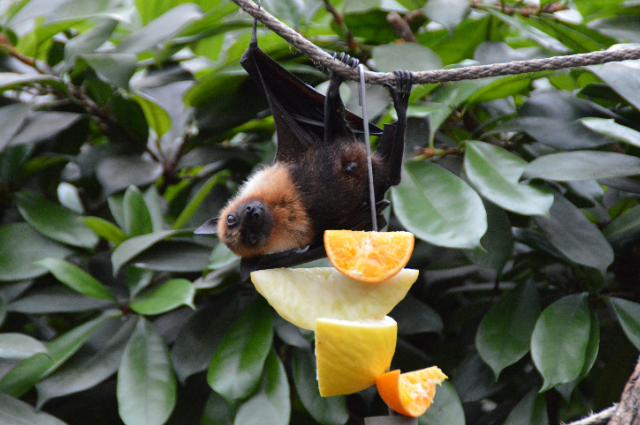
What makes Nipah especially dangerous is that it is a zoonotic virus, meaning it jumps from animals to humans. Its natural host is the fruit bat, also known as the flying fox. These bats carry the virus without becoming sick. Their immune systems are uniquely adapted to live with such viruses, allowing Nipah to circulate silently within bat populations. Humans, however, are not adapted to it at all. When the virus enters the human body, the immune response becomes aggressive and uncontrolled, often leading to severe damage rather than protection.
The jump from bats to humans usually happens through everyday activities that seem harmless. Fruits partially eaten by bats, contaminated with bat saliva or urine, are a common source. In Bangladesh and parts of India, drinking raw date palm sap is another major risk. Bats often feed on the sap collected overnight, contaminating it with the virus. People consuming it the next morning may unknowingly expose themselves. In some outbreaks, pigs have acted as intermediate hosts. Pigs get infected after contact with bats and then pass the virus to humans through close contact. Once humans are infected, Nipah can also spread from person to person, especially among family members and healthcare workers who are in close contact with patients and their body fluids.
Unlike highly contagious respiratory viruses such as influenza or COVID-19, Nipah does not spread easily through casual contact. However, close physical contact, exposure to respiratory droplets, saliva, blood, or other body fluids significantly increases the risk. This is why hospitals often become hotspots during outbreaks, and strict infection control measures are essential.
Scientifically, Nipah is an RNA virus belonging to the paramyxovirus family. RNA viruses are known for their ability to replicate quickly and mutate easily. Once Nipah enters the human body, usually through the nose, mouth, or eyes, it first infects the respiratory tract. From there, it
spreads through the bloodstream to vital organs, particularly the brain and lungs. Inside human cells, the virus hijacks the cellular machinery, forcing the cells to produce thousands of new virus particles. These infected cells are damaged or destroyed, leading to widespread tissue injury.
The incubation period, which is the time between infection and the appearance of symptoms, usually ranges from 4 to 14 days, though in some cases it can extend up to 21 days. This delay makes containment difficult because infected individuals may feel healthy while unknowingly spreading the virus.
Early symptoms often appear mild and nonspecific, resembling common viral illnesses. Fever, headache, muscle pain, fatigue, sore throat, and vomiting are typical initial signs. This stage can be misleading, causing people to delay seeking medical attention. However, the disease can progress rapidly. As the virus reaches the brain, encephalitis develops. Patients may experience confusion, disorientation, extreme drowsiness, seizures, and unusual or aggressive behaviour. In severe cases, brain swelling leads to coma within days.
At the same time, the lungs may be affected. Fluid accumulation in the lungs can cause acute respiratory distress, making breathing difficult or impossible without oxygen support or mechanical ventilation. When both the brain and lungs are involved, the condition becomes extremely critical.
One of the most frightening aspects of Nipah virus infection is its high fatality rate. Studies and outbreak data show death rates ranging from 40 per cent to as high as 75 per cent. This means that nearly half or more of those infected may not survive. The exact fatality rate varies depending on the outbreak, healthcare access, and how quickly patients receive treatment.
Currently, there is no specific antiviral drug or widely available vaccine that can cure or prevent Nipah virus infection. Treatment is mainly supportive. This includes providing oxygen, intravenous fluids, medications to control fever and seizures, and intensive care support for severe cases. Early detection and timely medical intervention significantly improve survival chances, which is why awareness and rapid response are crucial.
Surviving Nipah infection does not always mean a full return to normal life. Many survivors suffer from long-term neurological complications due to brain damage caused by encephalitis. Memory loss, difficulty concentrating, personality changes, weakness, balance problems, and speech difficulties are common. Some survivors develop epilepsy and require lifelong medication. Mental health issues such as depression, anxiety, and emotional instability may also occur, affecting quality of life long after the infection has cleared.
In rare but alarming cases, individuals who initially recover may develop late-onset encephalitis months or even years later. This delayed complication can be fatal and remains poorly understood, adding another layer of fear to the disease.
Because there is no cure, prevention remains the most powerful weapon against the Nipah virus. Simple but strict measures can drastically reduce risk. Fruits should be washed thoroughly and avoided if they appear bitten or damaged. Raw date palm sap should not be consumed, especially in outbreak-prone areas. Contact with bats and sick animals should be avoided. During outbreaks, close contact with infected individuals must be minimised, and protective measures such as masks, gloves, and proper hand hygiene should be strictly followed. Hospitals must maintain strong infection control practices to protect healthcare workers and other patients.
Public awareness plays a vital role in controlling Nipah outbreaks. Education about how the virus spreads, early symptom recognition, and the importance of seeking immediate medical care can save lives. Governments and health agencies like the World Health Organisation and the Centres for Disease Control and Prevention continue to monitor outbreaks, issue guidelines, and support research for vaccines and treatments.
In the larger picture, the Nipah virus is a reminder of how closely human health is connected to animals and the environment. Deforestation, urban expansion, and climate change increase human-wildlife interactions, making zoonotic spillovers more likely. Nipah may be rare today, but without careful surveillance and prevention, such viruses have the potential to cause larger outbreaks in the future.
In short, the Nipah virus is not just another infectious disease. It is a silent, bat-borne threat that attacks the brain and lungs, spreads through close contact, kills a high percentage of those infected, and leaves survivors with lasting damage. Its rarity should not lead to complacency. Awareness, prevention, and rapid response are the only reasons it has not become a global catastrophe.
Reference:
- https://www.who.int
- https://www.who.int
- https://www.who.int
- https://www.cdc.gov
- https://www.cdc.gov
- https://my.clevelandclinic.org
- https://doctor.ndtv.com
- https://www.reuters.com
- https://www.reuters.com