
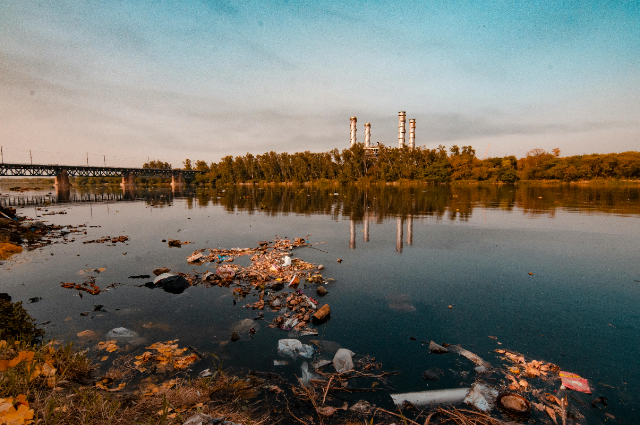
In 2026, India is not facing a sudden water emergency. It is living through a slow, invisible collapse that flows quietly through kitchen sinks, roadside hand pumps, school water coolers, and hospital taps. While droughts and floods grab headlines, the real danger is far less dramatic and far more dangerous: most of India’s water simply isn’t safe to drink.
According to assessments drawing on data from the World Bank and policy reports by NITI Aayog, nearly 70% of India’s water sources are contaminated. On global Water Quality Index rankings, India has hovered near the bottom, around 120th out of 122 countries in previous evaluations. That ranking alone should alarm us. But what makes it terrifying is what it actually means for everyday life.
It means millions of people start their mornings by brushing their teeth with unsafe water. It means children drink from taps carrying bacteria, heavy metals, and chemical residue. It means families boil water, strain it through cloth, or simply hope for the best. And it means around 200,000 people die every year in India from diseases linked to unsafe drinking water and poor sanitation, which are almost entirely preventable.
This is not just a water crisis. It is a public health disaster unfolding quietly.
What makes India’s situation especially tragic is that water is still available in many places; it's just polluted beyond safe limits. Rivers carry sewage instead of life. Lakes foam with industrial waste. Groundwater contains arsenic, fluoride, nitrates, and pesticides. In cities, untreated wastewater flows directly into natural water bodies, while in rural areas, agricultural runoff seeps into wells.
One of the clearest warnings came in 2019 in Chennai. The city ran out of water after its four major reservoirs dried up. But even when tankers arrived, residents were unsure whether the water was safe. Years of groundwater over-extraction and neglected rainwater harvesting had pushed Chennai into crisis. Offices shut down. Schools altered schedules. Daily life revolved around bucket counts. What happened there showed how fragile urban water systems truly are.
Then there is Bengaluru, India’s tech capital. Despite its wealth and innovation, Bengaluru’s lakes have turned toxic. Bellandur Lake famously caught fire due to chemical pollution, while frothy sewage foam spilt onto nearby roads. The city now depends heavily on private tankers and deep borewells. Groundwater levels have plunged, and what remains is often contaminated. A city building software for the world cannot provide clean water to its own residents.
Beyond cities, rural India faces an even harsher reality.
In drought-prone parts of Maharashtra, particularly Marathwada, villages regularly depend on water trains and tankers. Wells run dry. Crops fail. Families migrate seasonally. Farmers, already burdened by debt, face repeated losses as rainfall becomes unpredictable. In many areas, available groundwater contains excessive fluoride, causing skeletal deformities over time.
In Punjab and Haryana, heavy groundwater extraction for rice farming has pushed aquifers to dangerous depths. India today extracts more than 25% of the world’s total groundwater, more than any other country. Water tables that once lay 20 feet below the surface now require drilling beyond 200 feet. Worse, much of this groundwater carries nitrate contamination from fertilisers, increasing risks of cancer and developmental disorders.
NITI Aayog’s Composite Water Management Index paints an equally grim picture. Around 600 million Indians live under high to extreme water stress. Per capita water availability has dropped below the “water stress” threshold of 1,700 cubic meters and is approaching “absolute scarcity” in several regions. The agency bluntly described the situation as India’s worst-ever water crisis.
International benchmarks echo this warning. In recent Environmental Performance Index cycles, India ranked in the bottom tier for sanitation and drinking water quality, sometimes falling as low as 141st out of 180 countries for exposure to unsafe drinking water. Even when access improves through pipelines or schemes, quality often remains unchecked.
And yet, this disaster is not inevitable.
There are places where change has worked.
In Rajasthan, community-led rainwater harvesting revived dried rivers using traditional johads. Villages once dependent on tankers now grow crops again. In Gujarat, check dams and decentralised storage significantly improved groundwater levels. Andhra Pradesh introduced participatory groundwater management, teaching communities to measure and regulate their own usage. These states have historically ranked higher in national water management assessments, proving that smart policy combined with public involvement makes a real difference.
National programs like the Jal Jeevan Mission have expanded tap connections to rural homes, a major achievement. But pipes alone do not guarantee safety. Without proper treatment, monitoring, and source protection, contaminated water simply travels faster.
The economic consequences of ignoring water quality are enormous. Experts estimate that India could lose nearly 6% of its GDP by 2050 if water mismanagement continues. Agriculture, industry, energy production, and healthcare all depend on reliable, clean water. When water fails, development stalls.
Climate change adds another dangerous layer. Monsoons are becoming erratic extreme floods in some regions and prolonged droughts in others. Urban areas built over wetlands flood easily, while dry zones grow drier. The imbalance stresses already weak systems.
At its core, India’s water problem is not about rainfall. It is about management. Rainwater is allowed to run off instead of recharging aquifers. Sewage is discharged untreated instead of being recycled. Cities expand without protecting lakes or drainage systems. Water is treated as a free, infinite resource rather than a fragile public asset.
Every leaking tap matters. Every polluted drain matters. Every illegal borewell matters.
The tragedy is that India knows the solutions: rainwater harvesting, wastewater recycling, efficient irrigation, stricter pollution control, groundwater regulation, and public awareness. What is missing is urgency, enforcement, and collective responsibility.
In 2026, India stands at a defining moment. The Water Quality Index tells us that nearly 70% of our water is poisoned. But rankings do not decide the future choices. Water is not just infrastructure. It is health, dignity, education, food security, and economic stability flowing together. If that flow continues to weaken, the damage will go far beyond statistics. It will shape generations.
The crisis may be silent, hiding inside our taps, but it is already speaking loudly through illness, migration, crop failure, and shrinking rivers. The only question now is whether we are ready to listen.
. . .
Reference links: