
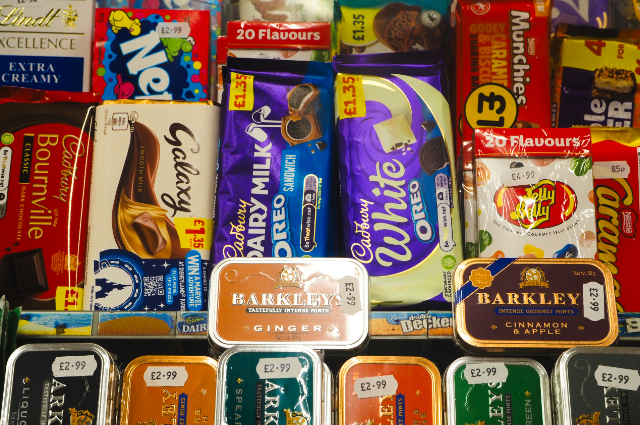
Somewhere along the way, India started believing that health comes in plastic packets with green labels. That a biscuit named “Digestive” must be good for digestion. That a drink advertised with smiling children and tall parents must be essential for growth. That if something says “low fat” or “high fiber,” it has already passed some invisible moral test. Meanwhile, the same country quietly earned the title of the “Diabetes Capital of the World,” and we still pretend the problem is jalebis.
Traditional sweets have become the easiest scapegoat. Gulab jamuns, laddoos, barfis, foods that were once eaten occasionally, during festivals or celebrations, are blamed for a health crisis that has far deeper roots. The real problem isn’t the mithai shop on the corner. It’s the hidden sugar sitting on our kitchen shelves, disguised as breakfast cereals, digestive biscuits, health drinks, flavoured yoghurts, and so-called “nutrition bars.”
Modern food marketing works on something called a health halo. The moment a product is labelled “digestive,” “fat-free,” “whole wheat,” or “high fiber,” our guard drops. We stop reading the ingredient list. We stop questioning quantities. We assume that someone else has already thought for us. Brands know this. They rely on it.
What most people don’t realise is that when fat is removed from a product, something has to replace it to keep the taste acceptable. That replacement is almost always sugar. So a biscuit marketed as light or digestive often ends up containing more sugar than a homemade dessert. A single serving of a popular health drink marketed for growing children can contain 15 to 20 grams of sugar. That is almost the entire daily recommended limit for a child, consumed in one glass, before school.
The deception doesn’t stop at marketing slogans. It continues on the back of the packet, where the ingredient list is written in language that feels intentionally confusing. Sugar rarely appears as just “sugar.” It shows up as maltodextrin, glucose syrup, corn syrup solids, invert sugar, dextrose, fructose, and dozens of other names. A consumer scanning the list may not see the word sugar at all, yet the product may still be loaded with it.
This confusion is one of the reasons the debate around front-of-pack labelling in India has become so important. Health experts have been pushing for clear warning labels—simple symbols that tell you when a product is high in sugar, salt, or fat. But instead, we are often given star ratings or percentage scores that can make even a high-sugar cereal look “moderately healthy” when compared to something worse. It creates a false sense of safety. People don’t need more maths while buying groceries. They need clarity.
What makes this crisis particularly dangerous in India is how sugar behaves inside Indian bodies. Unlike the Western stereotype of diabetes being linked only to obesity, many Indians develop what doctors call TOFI—thin outside, fat inside. A person may look lean, have a normal BMI, and still carry dangerous levels of visceral fat around their organs. Excess sugar plays a major role in this.
High sugar intake spikes insulin repeatedly, pushing the body towards insulin resistance. Over time, this leads to fat being stored in places it shouldn’t be, especially the liver. Non-alcoholic fatty liver disease, once considered rare, is now being diagnosed in teenagers and young adults who don’t drink alcohol, don’t look overweight, and often have no obvious symptoms. It is a silent progression, discovered only when significant damage has already occurred.
Beyond health, this is also an economic problem. Diabetes, heart disease, and liver disorders don’t just affect individuals; they drain families. Long-term medication, regular testing, hospital visits, and dietary management create a financial burden that quietly eats into middle-class stability. What starts as a “convenient” food choice becomes a lifelong expense.
This is why framing the issue as a matter of personal willpower is deeply unfair. You cannot “self-control” your way out of a system designed to mislead you. When sugar is hidden, normalised, and aggressively marketed, especially to children, the responsibility cannot lie only with the consumer.
The solution lies in transparency and regulation. Clear labelling. Honest marketing. Limits on sugar content in foods that claim to be healthy. And a cultural shift that stops demonising traditional foods while blindly trusting industrial ones.
A gulab jamun eaten mindfully, occasionally, and with awareness has never been the enemy. The real danger is the sugar we consume daily without even knowing it’s there.
Reference links:
- Are digestive biscuits really healthy? Read this before eating them: https://timesofindia.indiatimes.com
- The sugar trap: Decoding festive mithai and packaged “sugar-free” sweets | Health News – Business Standard: https://www.business-standard.com
- Spotting Hidden Sugars in Everyday Foods | Diabetes | CDC: https://www.cdc.gov
. . .