
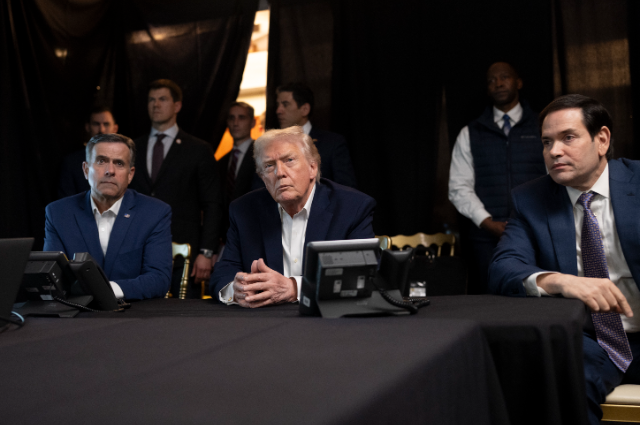
The contemporary geopolitical landscape has been dramatically affected by the events of early January 2026, when the President of the United States, Donald J. Trump, authorised a military operation in the Bolivarian Republic of Venezuela that resulted in the apprehension and forcible removal of its sitting president, Nicolás Maduro Moros, and his spouse, Cilia Flores. This development has generated intense international debate concerning sovereignty, international law, regional security, and the future of U.S.–Latin America relations. (Wikipedia)
This essay critically examines the situation, situating these events within the broader context of modern international relations, the legal contestations surrounding the operation, global reactions, and potential consequences for regional stability.
Background of the Venezuelan Political Crisis
Venezuela, once among the wealthiest nations in Latin America due to its substantial oil reserves, has faced severe economic, social, and political turmoil throughout the early 21st century. Under the leadership of Nicolás Maduro — successor to Hugo Chávez — the country endured hyperinflation, mass migration, and political polarisation. Prior to January 2026, Maduro’s government had been condemned by many Western nations for undermining democratic institutions and facing allegations of corruption and drug trafficking, accusations Maduro has vehemently denied. (Wikipedia)
Tensions between Caracas and Washington escalated over the years, with the U.S. labeling Maduro and his close allies as involved in narcoterrorism and criminal activity, setting the stage for a dramatic shift in U.S. policy. (Wikipedia)
The Military Operation and Capture of Maduro
On 3 January 2026, U.S. forces — reportedly with support from elite units such as the Delta Force — executed a pre-dawn operation in Caracas, resulting in the capture of Nicolás Maduro and his wife, after which both were transported out of Venezuela to the United States. U.S. officials framed the mission as a law-enforcement and counter-narcotics action, asserting constitutional authority under U.S. law to detain individuals accused of serious criminal conduct. (Wikipedia)
Following the operation, Maduro and Flores were indicted in a federal court in Manhattan on charges that include narco-terrorism and drug trafficking, to which they have pled not guilty. Maduro maintained in his first court appearance that he remains the president of Venezuela and characterized his removal as illegitimate and akin to kidnapping. (Sky News)
Legal and Ethical Contestations
The legal basis for the U.S. action remains highly contested. International law, as codified in the United Nations Charter, prohibits the use of force against the territorial integrity or political independence of any state without Security Council authorization or a recognised right of self-defence. Critics — including United Nations experts and international law scholars — have argued that the United States’ unilateral military intervention in Venezuela constitutes a breach of these core principles. (Wikipedia)
Supporters of the U.S. operation emphasise the criminal indictments and describe the mission as a justifiable act of pressing transnational justice. However, the operation’s classification — whether criminal justice, counterterrorism, or military intervention — remains debated and unresolved in international legal scholarship. (Al Jazeera)
Global Political Repercussions
The international reaction to the capture of Maduro ranges from outright condemnation to cautious support. Several governments — including Russia, China, Cuba, and Mexico — criticised the U.S. action as a violation of Venezuelan sovereignty and international norms. Conversely, some segments of the Venezuelan diaspora and opposition movements have expressed approval, viewing the event as an opportunity to end decades of authoritarian rule. (Wikipedia)
Protests in Caracas and other cities have been fueled by nationalist sentiment and calls for Maduro’s release, illustrating that domestic Venezuelan society remains deeply divided. (Common Dreams)
Regional Security and Future Challenges
The U.S. government, under Trump’s leadership, announced intentions to oversee Venezuela’s political transition while addressing humanitarian issues and stabilising regional insecurity. Critics warn that such intervention risks long-term instability, increases the likelihood of armed resistance, and sets a precedent for extraterritorial actions by powerful states against weaker ones. (Wikipedia)
In Latin America, the capture has strained diplomatic relations and encouraged debates over foreign military presence, national sovereignty, and the appropriate role of external powers in domestic political affairs. Meanwhile, Venezuela has seen changes in its political leadership with Vice President Delcy Rodríguez assuming an interim role, further complicating the governance landscape. (Wikipedia)
The events of January 2026 represent one of the most significant geopolitical developments in recent decades in the Western Hemisphere. The forcible removal and trial of Venezuelan President Nicolás Maduro under the authority of U.S. President Donald Trump has raised profound questions about sovereignty, international law, and the nature of modern statecraft. Whether this action will ultimately stabilise Venezuela, redefine U.S.–Latin America relations, or engender further conflict remains to be seen.
As scholars and policymakers assess these events, it is clear that the implications extend far beyond bilateral tensions — implicating global norms, regional security frameworks, and the evolving architecture of international governance in the 21st century.
. . .
References:
- “2026 United States intervention in Venezuela” (Wikipedia).
- Capture of Nicolás Maduro (Wikipedia).
- Reports on Maduro’s court appearance and legal proceedings. (Sky News)
- Coverage of international reactions and legal critiques. (Al Jazeera)
- Protests and political responses within Venezuela. (Common Dreams)