
The contemporary geopolitical landscape of the Middle East is profoundly shaped by the triangular tension among Israel, Iran, and the United States. This paper examines the historical foundations, ideological divergences, strategic calculations, and evolving dynamics that define their interactions. Through a critical and analytical lens, the study highlights how regional instability, proxy conflicts, nuclear ambitions, and global power alignments contribute to an increasingly fragile international order.
The Middle East remains a focal point of global strategic concern, with the relationship among Israel, Iran, and the United States constituting one of the most complex and volatile axes in international politics. These three actors, each driven by distinct ideological commitments and security imperatives, are entangled in a multifaceted rivalry that extends beyond conventional warfare into cyber operations, proxy conflicts, and diplomatic manoeuvring.
Understanding this triangular relationship is essential not only for regional analysis but also for comprehending broader global security challenges in the twenty-first century.
Historical Context and Ideological Foundations
The roots of the present conflict can be traced to the Iranian Revolution, which transformed Iran from a pro-Western monarchy into an Islamic republic fundamentally opposed to U.S. influence and the existence of Israel. Since then, Iran has consistently positioned itself as a leader of resistance against what it perceives as Western imperialism and Zionism.
Israel, on the other hand, views Iran’s ideological stance and regional ambitions as existential threats, particularly in light of Tehran’s support for non-state actors such as Hezbollah and Hamas. The United States has historically aligned itself with Israel, providing military, economic, and diplomatic support, thereby reinforcing a polarised regional order.
Nuclear Ambitions and Strategic Deterrence
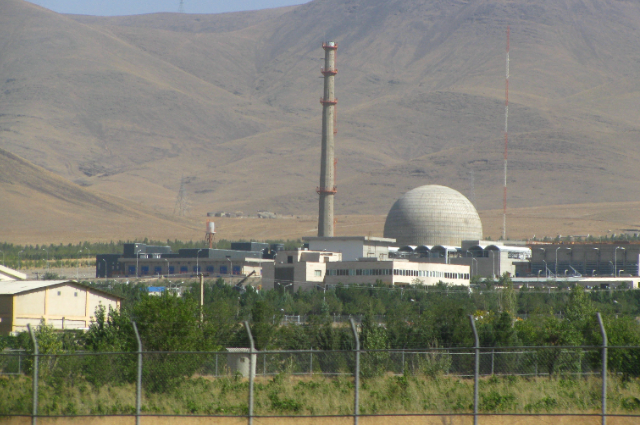
At the heart of contemporary tensions lies Iran’s nuclear program. While Iran asserts that its nuclear activities are intended for peaceful purposes, Israel and the United States perceive them as a veiled attempt to develop nuclear weapons capability. This suspicion has led to a series of sanctions, covert operations, and diplomatic negotiations, most notably the Joint Comprehensive Plan of Action.
The collapse or weakening of such agreements has intensified mistrust and raised the spectre of preemptive military action. Israel, adhering to a doctrine of preventive defence, has repeatedly signalled its willingness to act unilaterally to prevent Iran from achieving nuclear capability.
Proxy Warfare and Regional Influence
Rather than engaging in direct military confrontation, Iran and Israel have largely conducted their rivalry through proxy forces across the region. Iran’s influence extends through a network of allied militias and political groups in countries such as Syria, Iraq, and Lebanon. Israel, in response, has conducted targeted airstrikes aimed at curbing Iranian entrenchment, particularly in Syrian territory.
The United States plays a dual role: as a direct military actor in the region and as a strategic supporter of Israel. American military presence in the Persian Gulf and its alliances with Arab states further complicate the geopolitical matrix, often escalating tensions with Iran.
Recent Developments and Escalatory Risks
In recent years, the situation has grown increasingly precarious. Incidents involving drone attacks, cyber warfare, and targeted assassinations have heightened the risk of unintended escalation. The fragile balance of deterrence is continually tested, with each actor seeking to assert dominance while avoiding full-scale war.
Moreover, shifting global alliances—particularly the involvement of powers such as Russia and China—have introduced new dimensions to the conflict. These developments suggest that the Israel–Iran–United States dynamic is no longer a purely regional issue but a matter of global strategic significance.
Implications for Global Security
The persistence of this conflict has far-reaching consequences. It threatens energy security, disrupts global markets, and undermines international diplomatic frameworks. Furthermore, the potential for nuclear proliferation and large-scale military confrontation poses a direct challenge to global peace.
The interplay between ideological rigidity and strategic pragmatism among these actors creates a paradoxical situation: while all parties seek to avoid catastrophic war, their actions often bring them perilously close to it.
The relationship among Israel, Iran, and the United States is emblematic of the complexities inherent in modern geopolitics. It is a conflict sustained not only by material interests but also by deeply entrenched narratives and historical grievances.
A sustainable resolution requires more than military deterrence or economic sanctions; it demands a reimagining of regional security frameworks and a commitment to diplomatic engagement grounded in mutual recognition and restraint. Until such efforts are realised, the world will continue to witness a delicate and dangerous balancing act at the heart of the Middle East.
References:
- Waltz, K. N. (2012). Why Iran Should Get the Bomb. Foreign Affairs.
- Parsi, T. (2017). Losing an Enemy: Obama, Iran, and the Triumph of Diplomacy.
- International Atomic Energy Agency (IAEA) Reports on Iran’s Nuclear Program.
- U.S. Department of State Briefings on Middle East Policy.
- Cordesman, A. H. (2020). The Changing Military Balance in the Middle East.