
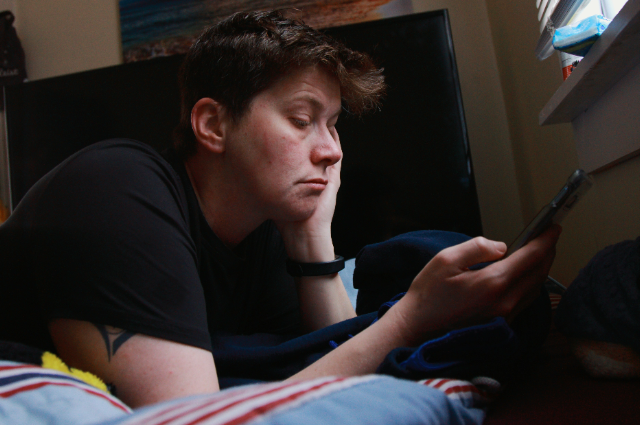
In the digital age, social media has become an integral part of adolescents’ daily lives, shaping how they communicate, form identities, and perceive the world around them. Platforms such as Instagram, TikTok, YouTube, and Snapchat serve not only as social hubs but also as cultural and informational forums. While social media’s potential to foster connectivity and creativity is well-documented, growing evidence raises significant concerns about its mental health impacts on teenage users. In 2025–2026, mounting research, public policy discussions, and landmark legal proceedings have reframed public and academic debates, highlighting social media’s complex and contested influence on adolescent psychological well-being.
This essay critically examines contemporary findings on social media’s impact on teen mental health, reviewing empirical evidence, psychosocial mechanisms, developmental vulnerabilities, policy responses, and ongoing scientific controversies. In doing so, it addresses both positive and negative effects and situates current research within broader societal and regulatory trends.
Social Media Usage and Mental Well-Being: Current Empirical Evidence
A growing body of research underscores the diverse effects of social media engagement on teenagers. Representative surveys indicate that nearly half of teenagers report that social media has a mostly negative impact on their age group, though fewer report personal harm. In one U.S. survey, while 48% of teens stated that social media negatively affects their peers, only 14% said it negatively affected their own mental health — suggesting a nuanced perception of harm at the population level versus the individual level. Importantly, the same survey found increases over time in teens reporting excessive use and self-perceptions of overuse, with nearly 45% acknowledging spending too much time online. Girls were more likely than boys to report negative impacts on their mental health and related outcomes such as sleep and confidence. (Pew Research Centre)
Empirical research also documents that algorithmically driven social comparison can exacerbate anxiety, depression, and body-image concerns among vulnerable adolescents. A comprehensive 2025 study on adolescent social media use revealed that excessive exposure to idealised content intensifies unhealthy self-evaluations and psychological distress. (chr.ewapub.com)
Mechanisms Contributing to Psychological Outcomes
Several psychosocial processes explain how social media use can influence teen mental health:
- Social Comparison and Body Image: Features such as likes, follower counts, and visual feeds encourage comparison with idealised portrayals of peers, amplifying insecurities and self-criticism. (chr.ewapub.com)
- Sleep Disruption: Late-night scrolling and screen exposure are linked to sleep disturbances, which in turn predict mood dysregulation and stress. (Pew Research Centre)
- Cyberbullying and Harassment: Exposure to online harassment and toxic interactions contributes to increased anxiety, depressive symptoms, and feelings of social isolation. (Ecreee)
- Addictive Patterns of Use: Although the scientific community does not universally label social media as a clinical addiction, normative compulsive use — characterised by irresistible urges to check platforms and distress when unable to do so — correlates with worse psychological outcomes, including suicidal ideation among high-risk youth. (Axios)
Positive Dimensions of Social Media Engagement
Despite documented risks, social media also confers important benefits for some teens, particularly in social and psychosocial domains. Research highlights that many adolescents use platforms to express creativity, build supportive communities, and access mental health information. Some teens report that social media enables connections with peers who share hobbies, identities, or life challenges, improving feelings of acceptance and belonging. (Pew Research Centre)
Additionally, online spaces have become platforms for mental health advocacy, where teens engage with content from clinicians, peer supporters, and mental health influencers. One study suggests that meaningful interaction with supportive online communities correlates with higher emotional resilience, especially among LGBTQ+ teens and those with chronic health conditions. (Ecreee)
Contemporary Policy and Regulatory Responses
As evidence accumulates, policymakers and regulators in multiple countries are adopting measures in response to concerns about social media’s impact on youth mental health. In the United States, several states — including New York — are enacting laws requiring warning labels on social apps to inform users and families about potential mental health risks associated with features like infinite scroll and autoplay. (The Times of India)
In Europe, scientific agencies such as France’s national health authority have issued comprehensive warnings about the psychological risks associated with social media, recommending restrictions for younger users and reforms to platform design to prioritise youth safety. (Le Monde.fr)
Conversely, public discourse acknowledges that restrictive measures like blanket bans may not address underlying psychosocial drivers of adolescent distress and may overlook social media’s beneficial functions. Some experts argue for nuanced interventions, including digital literacy education, parental guidance tools, and design innovations that foster healthier online experiences without severing youths’ digital engagement. (The Washington Post)
Challenges in Research and Interpretation
A central challenge in assessing social media’s impact on teen mental health lies in disentangling correlation from causation. Some large-scale longitudinal research suggests that total time spent on social media may not directly cause anxiety or depression, implying that risk arises more from how platforms are used rather than how long. (The Guardian)
This complexity underscores the need for multi-method research that integrates behavioural data, psychosocial measures, and contextual variables such as offline stressors, socioeconomic factors, and preexisting mental health conditions.
The impact of social media on teen mental health in 2026 remains a multifaceted and evolving field of inquiry. Current evidence suggests that while social platforms can contribute to anxiety, depression, sleep disruption, and compulsive use in some adolescents, they also enable meaningful social connections, creativity, and access to mental health resources for others. Understanding these dual effects requires rigorous empirical research, sensitive policy responses, and holistic educational strategies.
As digital technologies continue to evolve, scholars, clinicians, families, and policymakers must collaborate to create digital environments that safeguard adolescent well-being while preserving opportunities for connection, expression, and growth. Addressing social media’s impact on teen mental health is not simply a technological challenge but a sociocultural imperative for the coming decades.
. . .
References
- Pew Research Centre. (2025). Teens, Social Media and Mental Health — key findings on usage and perceptions. (Pew Research Centre)
- Zeng, X. (2025). The Impact of Social Media on Adolescents’ Mental Health. Communications in Humanities Research. (chr.ewapub.com)
- Mayo Clinic Staff. (2025). Teens and Social Media Use: What’s the Impact? (Mayo Clinic)
- Research statistics on social media effects (2025). (Ecreee)
- Meta youth addiction lawsuits and evidence. (Axios)
- Longitudinal study on addictive screen use and youth risks. (The Guardian)
- French health agency reports on social media risk to adolescents. (Le Monde.fr)
- Debates over social media regulation and bans. (The Washington Post)
- New York State warning label legislation. (The Times of India)