
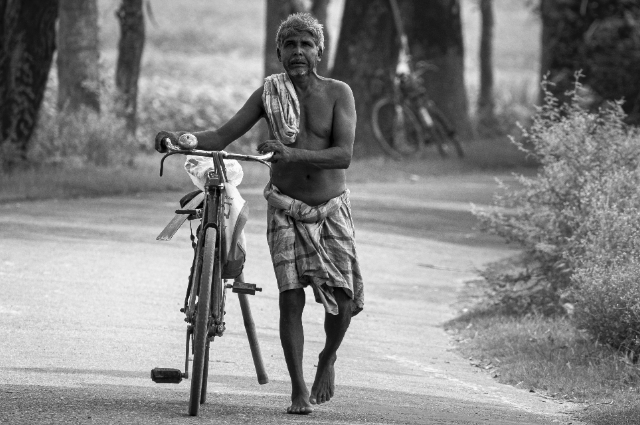
Bihar, one of the oldest states of India, holds a rich historical and cultural heritage. Known for its role in ancient Indian history, it was the land of great scholars, philosophers, and rulers. Despite its glorious past, Bihar today faces many social and economic challenges. These challenges have slowed down the development of the state and affected the quality of life of its people. In this article, we will discuss the social and economic problems of Bihar in detail, along with the reasons behind them and their impact on society.
Bihar’s economic backwardness is one of the major concerns for the state. Agriculture is the main occupation of the majority of people, but most of the farming is traditional and dependent on monsoons. Lack of modern farming techniques, poor irrigation facilities, and small landholdings prevent farmers from achieving high productivity. As a result, agricultural output remains low, and farmers often face poverty. In addition, frequent floods in Bihar destroy crops and displace people, worsening the economic situation. Unemployment is another major issue. Although many young people are educated, there are limited job opportunities in the state. This forces many to migrate to other states in search of work, leaving behind families and reducing local productivity.
Industrial development in Bihar is also very limited. Few industries exist, and most of them are small-scale. Lack of investment, inadequate infrastructure, and political instability discourage entrepreneurs from starting new businesses. This industrial stagnation affects the economy and prevents Bihar from becoming self-sufficient. Poor transportation facilities, such as underdeveloped roads and railways, further hinder economic growth. Without proper infrastructure, goods cannot be transported easily, and industries cannot thrive.
Education is a critical area where Bihar faces severe problems. Although the literacy rate has improved over the years, many children still do not attend school, especially in rural areas. Poverty, child labor, and lack of awareness are major reasons why children drop out of school. Schools often lack proper teachers, classrooms, and educational materials. As a result, many students fail to gain quality education, limiting their chances for a better future. The problem of gender inequality is also visible in education. Girls are less likely to attend school due to social restrictions and economic pressures, leading to a gap in literacy and opportunities between boys and girls.
Health is another sector that requires urgent attention in Bihar. Many people, especially in rural areas, do not have access to proper healthcare facilities. Hospitals and clinics are insufficient, and medical staff are often unavailable. Poor sanitation, malnutrition, and lack of clean drinking water contribute to widespread diseases. Maternal and child mortality rates are high due to insufficient healthcare services. The government has initiated programs to improve health conditions, but progress remains slow.
Social problems in Bihar are deeply rooted and complex. Caste-based discrimination is still prevalent in many areas. People from lower castes often face social exclusion, limited access to resources, and discrimination in employment and education. Social inequality hinders social cohesion and prevents communities from working together for development. Dowry practices, child marriage, and gender discrimination are other social issues that continue to affect the lives of women. These problems limit women’s participation in education, employment, and decision-making processes, further affecting the social fabric of Bihar.
Crime and lawlessness are also significant social challenges. Corruption in politics and administration has weakened governance, making it difficult to implement development programs effectively. Criminal activities such as land disputes, theft, and organized crime have created an unsafe environment for citizens. Corruption, nepotism, and misuse of government funds slow down progress and prevent the poor from receiving proper benefits.
Poverty is one of the most serious issues affecting both social and economic life in Bihar. A large portion of the population lives below the poverty line. Low income, unemployment, poor health, and lack of education create a cycle of poverty that is difficult to break. Many families cannot afford necessities like food, clothing, and shelter. Poverty also forces children into labor, reducing their chances of education and personal growth. The problem of malnutrition is widespread, and children often suffer from weak physical and mental development.
Migration has become a common phenomenon in Bihar due to economic problems. Many people move to other states in search of jobs, leaving villages and towns without manpower. This migration creates a shortage of skilled labor, disrupts families, and affects the local economy. Although remittances from migrant workers provide some relief, migration cannot solve the root problems of unemployment and economic backwardness.
Bihar also faces environmental challenges that impact both society and the economy. Frequent floods, river erosion, deforestation, and soil degradation reduce agricultural productivity and destroy property. These natural disasters make life difficult for villagers, forcing them to migrate and increasing poverty levels. Lack of proper disaster management systems worsens the situation.
Despite all these challenges, Bihar has great potential for development. The state has fertile land, a rich culture, and a large workforce. By investing in education, healthcare, infrastructure, and industry, Bihar can overcome many of its problems. Government policies and programs need to focus on sustainable development, skill training, and women's empowerment. Encouraging entrepreneurship, improving irrigation facilities, and promoting small-scale industries can help generate employment. Social awareness campaigns can reduce caste discrimination, child marriage, and gender inequality.
In recent years, Bihar has shown signs of improvement in certain areas. The literacy rate has increased, new roads and highways are being constructed, and some industries have started functioning. However, much more needs to be done to tackle the deep-rooted social and economic problems. Citizens, government, and non-government organizations must work together to bring meaningful change. Education and skill development must become a priority to prepare the younger generation for better opportunities. Healthcare systems need to be strengthened to ensure the well-being of all citizens. Social reforms are essential to create an inclusive and equitable society.
In conclusion, Bihar’s social and economic problems are interconnected and multifaceted. Poverty, unemployment, poor education, inadequate healthcare, caste discrimination, gender inequality, crime, corruption, and environmental challenges all contribute to the state’s backwardness. Overcoming these problems requires a collective effort from the government, society, and citizens. With proper planning, investment, and commitment, Bihar can overcome these obstacles and realize its full potential. By addressing social issues and promoting economic growth, Bihar can become a prosperous state where every individual has the opportunity to live a dignified and fulfilling life. The road ahead is long, but with determination and cooperation, Bihar can rise from its challenges and achieve sustainable development.