
For decades, the Indian dream has followed a single, exhausting direction. Village to city. Home to Mumbai. Hope to struggle. Survival to the quiet consolation of saying, “At least it’s Mumbai.” This dream wasn’t built on ambition or glamour. It was built on absence. No water. No work. No dignity. No access to resources. People didn’t leave their villages because they wanted skyscrapers or fast lives. They left because staying back meant watching their land dry, their skills lose value, and their futures shrink. Migration, for most of them, was never a choice. It was desperation disguised as opportunity.
Hiware Bazar is a small village in Maharashtra that once looked like many others. Dry land. Empty wells. Fading hope. Years ago, a severe drought pushed its residents out. Farming became impossible. Water disappeared, and with it, the ability to live with self-respect. Families packed what little they had and moved to Mumbai, chasing work wherever it was available. Drivers, daily-wage labourers, helpers. Jobs that paid just enough to survive, never enough to feel secure. They lived in cramped chawls, shared rooms with strangers, and learned to adjust their dreams to the size of the city’s indifference.
One such family was the Shindes. For over a decade, they lived in a single-room chawl in Mumbai’s outskirts. The father worked as a security guard, the mother as a domestic helper in multiple homes. Their combined income barely covered rent, food, and school fees. Every illness meant debt. Every festival meant compromise. Despite years of hard work, they never felt settled. “Mumbai gave us work,” the mother later said, “but it never gave us rest.” Their village land back home lay abandoned, useless without water.
This is why the phrase “reverse exodus” needs to be understood carefully. It is not a story of people returning because they failed in the city. It is a story of people choosing dignity over survival mode. Choosing control over dependence. Choosing a life where they are seen, not just used.
What makes this story powerful is the emotional contrast between two lives lived by the same people. In Mumbai, they were invisible. A man who once owned land became just another driver stuck in traffic for hours, spoken to sharply, paid monthly wages that disappeared into rent and food. Imagine someone like Ramesh, born into farming, familiar with soil and seasons, now waking up at 5 a.m. to drive someone else’s car, living in a single room with his family of four, measuring his self-worth by overtime hours. No matter how hard he worked, respect remained conditional. In the city, effort does not always translate into dignity.
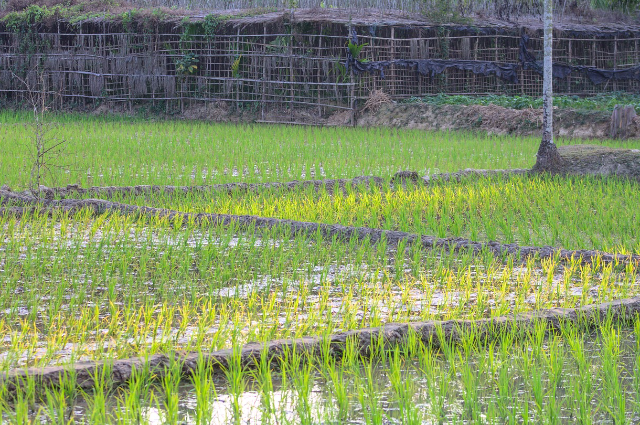
But when Hiware Bazar restored its groundwater through disciplined water management and community planning, something extraordinary happened. The land came back to life. Wells filled. Crops grew again. And with that, confidence returned. Farming stopped being a symbol of backwardness and became a source of stability and pride. Families who had left Mumbai made a historic decision to come back, not as defeated migrants, but as confident landowners. Today, over 60 families who once migrated to Mumbai have made a historic decision to return permanently to Hiware Bazar, choosing restored farmland and dignity over urban survival.
The same Ramesh who once waited for daily wages now decides what to grow, when to harvest, and how to invest his income. In Hiware Bazar, these returning families are not invisible. They are decision-makers. They attend village meetings, manage resources collectively, and are respected for their contribution. They are not dependent on landlords or contractors. They own their land. They own their time. They own their dignity.
Another returning family, the Patils, spent nearly 15 years in Mumbai working in construction and factory jobs. Their children grew up indoors, surrounded by concrete, with limited access to open spaces or stable schooling. When news spread that Hiware Bazar’s fields were producing high-value crops again, they visited out of curiosity. What they saw changed everything. Water pipelines, functioning check dams, green fields, and farmers earning steady incomes. Within a year, they moved back permanently. Today, the Patils grow onions and flowers, earning close to ₹10 lakh annually. Their children attend better schools, and for the first time, the family is planning long-term instead of living month to month.
The true turning point in this story is water. Water here is not just a natural resource. It is freedom. Without water, land is meaningless. With water, land becomes opportunity. Once groundwater returned, farming became viable again. Cash crops like onions and flowers began generating a steady income. Annual earnings of ₹10–12 lakh became possible. This single fact shattered a long-held belief that cities automatically offer better lives than villages.
For years, Mumbai symbolised success. But for many, it delivered exhaustion instead. Long hours, unstable jobs, rising costs, and a constant sense of replaceability. In contrast, Hiware Bazar offered something rare: control over one’s livelihood. These families traded the uncertainty of slum life for the stability of farming, earning enough not just to survive, but to plan futures. Education for children. Savings. Investments. A sense of permanence.
Calling them “millionaire farmers” is not just about money. It is about status being redefined. In the city, status often comes from visibility. Where you work, what you wear, what you consume. In Hiware Bazar, status comes from contribution. From sustaining the land. From feeding communities. From being rooted. Farming here is not a fallback option. It is an informed, strategic choice.
This story quietly challenges the city dream that has dominated Indian imagination for decades. It asks uncomfortable questions. Why should success require leaving home? Why is rural life seen as something to escape rather than something to fix? Why do we invest endlessly in urban expansion but neglect village sustainability?
The answer lies in planning and governance. Hiware Bazar did not change overnight. Its revival required discipline, community participation, and long-term thinking. Water management transformed not just the land, but social relationships. When resources are shared and protected, people cooperate rather than compete. Migration slowed. Families returned. The village regained its identity. What’s important is that this is not a nostalgic story romanticising village life. It is a practical demonstration of what happens when development reaches people where they already are. These families did not reject cities out of sentiment. They compared realities and chose what worked better for them.
In a country where millions still migrate due to a lack of opportunity, Hiware Bazar stands as a rare but powerful example. It shows that with water security and management, villages can offer livelihoods that are not just sustainable but aspirational. That dignity does not require skyscrapers. That prosperity does not always move forward; it sometimes moves back home.
The reverse exodus from Hiware Bazar is not about turning away from progress. It is about redefining it. When people no longer migrate out of fear, but return out of choice, something fundamental shifts. Survival gives way to stability. Struggle gives way to self-respect. And the idea of success finally becomes personal, not imposed.
In the end, this story proves one simple truth: when villages are given resources instead of neglect, the city dream no longer holds a monopoly over hope.
. . .
References: