
When the Waters Refused to Stop
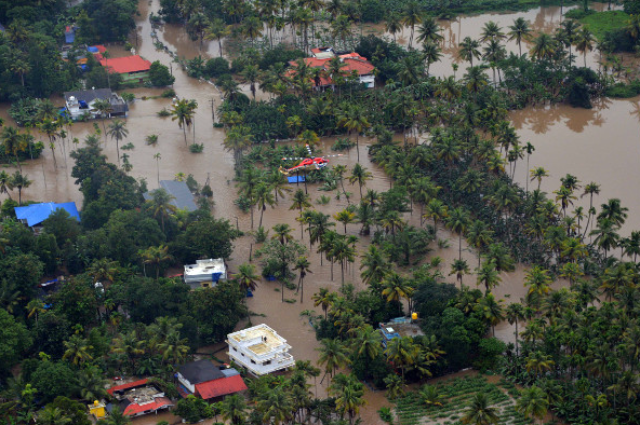
In August 2018, Kerala experienced an unprecedented disaster. Persistent and exceptionally intense monsoon rains inundated the state for weeks, causing rivers to overflow and compelling authorities to open dam shutters across several districts. The resulting deluge rapidly submerged towns and villages, disrupted electricity and communication, and confined families within their homes. This event, initially perceived as seasonal rainfall, escalated into the most severe flood in nearly a century, displacing millions and resulting in hundreds of fatalities.
As floodwaters rose, conventional rescue systems struggled to keep pace with the scale of the emergency. Helicopters could not reach narrow residential areas, roads vanished beneath muddy currents, and emergency personnel found themselves overwhelmed. People stood stranded on rooftops, balconies, and upper floors, waving cloths and mobile phone lights into the rain-soaked darkness, hoping for rescue. It was in this moment of desperation that an unexpected group stepped forward—not trained disaster-response units, but Kerala’s fishermen.
The Scale of the 2018 Kerala Floods and The Fishermen
Kerala’s geography, with its network of rivers, backwaters, and low-lying floodplains, makes it especially vulnerable to extreme rainfall. In 2018, rainfall levels exceeded the seasonal average by a substantial margin, resulting in rivers overflowing and reservoirs reaching their critical capacity. The opening of multiple dams simultaneously intensified flooding in downstream regions, particularly in districts such as Ernakulam, Alappuzha, Pathanamthitta, and Thrissur.
The damage was extensive and far-reaching. Entire neighborhoods were submerged, crops were destroyed, homes collapsed, and essential services ceased to function. More than a million people were forced into relief camps, while economic losses ran into billions. Yet beyond the statistics lay a deeper human crisis—elderly individuals stranded without medication, children trapped without food or clean water, and families unsure whether help would arrive in time.
As images of flooded towns filled television screens and social media feeds, fishermen along Kerala’s coastline watched with growing concern. Accustomed to navigating dangerous seas, they immediately recognized what many inland rescue teams could not: boats were the only viable means of reaching those trapped by water. Without waiting for official directives, fishermen from coastal districts began mobilizing on their own.
Fishing boats were loaded onto trucks, tractors, and trailers and transported to inland locations. Others navigated through canals and rivers to reach submerged towns directly. These were not specialized rescue vessels but everyday fishing boats—wooden, narrow, and designed for the open sea. Yet in the flooded streets of Kerala, they became instruments of survival.
Rescue in Unfamiliar Waters
Entering submerged residential areas, fishermen encountered conditions far more unpredictable than the ocean. Floodwaters concealed electric wires, submerged vehicles, broken walls, and sharp debris. Strong currents flowed through streets that had once been quiet lanes. Visibility was poor, and the risk of capsizing or electrocution was constant.
Despite these dangers, fishermen worked tirelessly, often without adequate food, rest, or protective equipment. They rescued families trapped for hours and sometimes days, lifting elderly individuals, pregnant women, and children onto their boats through windows and rooftops. In many cases, they returned repeatedly to the same areas until every resident was accounted for.
What stood out was not just their courage, but their calm efficiency. Years of reading water currents and responding instinctively to changing conditions allowed them to navigate spaces that official rescue teams could not reach. Their local knowledge and adaptability saved countless lives.
Coordination Without Command
One of the most remarkable aspects of the fishermen’s rescue effort was the absence of formal command structures. There were no written plans, no centralized leadership, and no disaster-response manuals guiding their actions. Coordination emerged organically, driven by communication among fishermen, local residents, volunteers, and social media users sharing information about stranded families.
Residents guided boats through submerged neighborhoods, pointing out homes still occupied or areas too dangerous to enter. Fishermen communicated with each other when possible, dividing areas and ensuring coverage without duplication. In the midst of chaos, a spontaneous yet effective rescue network emerged—one rooted in trust, shared purpose, and a sense of urgency.
The Personal Cost of Heroism
Heroism came at a price. Many fishermen suffered physical exhaustion, injuries, and illness after days of continuous rescue work. Several boats were damaged or lost, directly affecting livelihoods that depended on daily fishing activity. Income was sacrificed without hesitation, and many fishermen declined payment or reimbursement, insisting that saving lives came before financial concerns.
When asked why they risked so much, many offered simple answers. They spoke of seeing no difference between the people trapped and their own families, of believing that anyone with the ability to help had a responsibility to do so. Their actions reflected a deeply rooted sense of community that transcended geography and occupation.
As stories and images of fishermen rescuing flood victims spread, their role as first responders became clear. Across India, their selflessness was celebrated, underscoring the main message: when disaster struck, local communities—especially fishermen—were crucial for survival.
For a community often marginalized and overlooked, the floods altered how society viewed fishermen—not merely as coastal workers, but as essential contributors to disaster resilience and public safety.
Lessons in Community and Resilience
The 2018 Kerala floods were not an isolated event but a warning. Climate change is increasing the frequency and intensity of extreme weather events, making floods, cyclones, and droughts more common and less predictable. In such a context, disaster preparedness cannot rely solely on centralized systems.
The fishermen’s response highlighted the importance of community participation, local knowledge, and decentralized action. It challenged traditional notions of heroism and authority, demonstrating that effective disaster response often comes from those closest to the problem, equipped with practical skills and a willingness to act.
The actions of Kerala’s fishermen offer enduring lessons. They show that resilience is built not only through infrastructure and technology, but through trust, empathy, and collective responsibility. They remind policymakers and planners of the value of integrating traditional skills into modern disaster-management frameworks. Most importantly, they reaffirm the idea that in moments of crisis, humanity’s greatest strength lies in solidarity.
Conclusion: When Boats Became Lifelines
The floodwaters that swallowed Kerala in 2018 eventually retreated, but the marks they left behind—on homes, livelihoods, and memories—lingered long after. Yet from the wreckage of that disaster rose a story that continues to inspire. When roads vanished, communication collapsed, and formal systems struggled to reach the stranded, small fishing boats cut through the chaos. In those moments, boats were no longer tools of livelihood—they became lifelines, and the fishermen who steered them became beacons of hope.
These men did not wait for instructions, nor did they act for applause or reward. They responded to human distress with instinctive courage, guided by experience, empathy, and an unshakable sense of responsibility. Every rescue was a reminder that heroism does not always wear a uniform—it often arrives quietly, powered by compassion.
In an age increasingly shaped by climate uncertainty and recurring natural disasters, the story of Kerala’s fishermen is more than a moving account of bravery. It is a powerful blueprint for resilience, showing how communities, when united by purpose and solidarity, can rise together and protect life when nature tests the limits of human resolve.
References
- Government of Kerala. Rebuild Kerala Development Programme (RKDP): A Resilient Recovery Policy Framework. Government of Kerala, 2018–2019.– Provides official data on flood impact, response measures, and community participation.
- National Disaster Management Authority (NDMA). Annual Report on Flood Management and Disaster Response. Government of India, 2018.– Details disaster response challenges and lessons from major flood events, including Kerala.
- United Nations Office for Disaster Risk Reduction (UNDRR). Kerala Floods 2018: Post Disaster Needs Assessment.– Offers an international assessment of damages, losses, and recovery strategies.
- The Hindu. “Kerala Floods: Fishermen Lead Rescue Operations.” August 2018.– Documents firsthand accounts of fishermen-led rescue efforts across affected districts.
- BBC News. “Kerala Floods: How Fishermen Became Lifesavers.” August 2018.– Provides verified narratives and interviews highlighting the role of fishing communities.
- Indian Express. “Unsung Heroes of Kerala Floods: The Fishermen Who Saved Thousands.” August 2018.– Explores social impact and public response to the fishermen’s actions.
- Centre for Science and Environment (CSE). Kerala Floods: Role of Climate Change and Infrastructure. 2018.– Analyzes environmental factors, rainfall patterns, and policy implications.
- Intergovernmental Panel on Climate Change (IPCC). Special Report on Extreme Weather Events and Climate Change.– Establishes the broader climate context relevant to increasing flood frequency.