
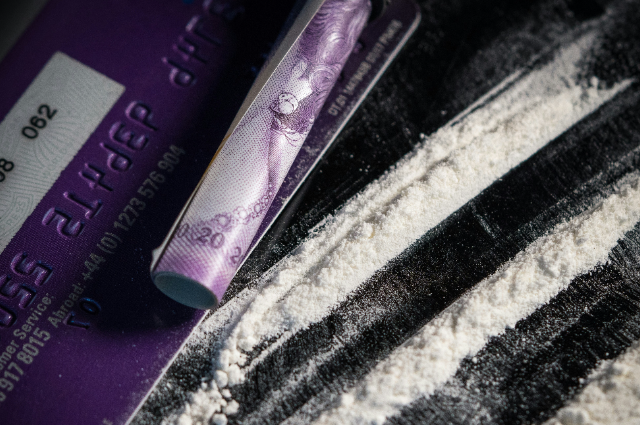
Substance abuse—defined as the misuse of legal or illegal psychoactive substances in a manner that causes harm to the user or society—is widely recognised as a major social and public health concern in the modern world (World Health Organisation, 2018). The paradox of substance abuse in contemporary society lies in the coexistence of widespread awareness about its harmful effects alongside persistent or even increasing levels of use. While many societies have sophisticated legal systems, education programs, and treatment mechanisms, substance abuse continues to affect individuals, families, communities, and entire nations. This article examines how substance abuse has evolved into a complex social problem, the factors perpetuating it, its multifaceted impact on society, and strategies for mitigation.
Defining Substance Abuse and Its Modern Dimensions
What Is Substance Abuse?
Substance abuse refers to a pattern of harmful use of substances such as alcohol, prescription drugs, tobacco, and illicit drugs that leads to significant impairment or distress (American Psychiatric Association, 2013). The Diagnostic and Statistical Manual of Mental Disorders (DSM-5) classifies substance-related disorders based on behavioural, cognitive, and physiological symptoms resulting from continued use despite adverse consequences.
The Modern Paradox
In the 21st century, increased awareness campaigns, scientific research, and legal restrictions aim to reduce substance abuse. Yet data from many regions show persistent or rising rates of misuse, especially among young people (United Nations Office on Drugs and Crime, 2022). This paradox—greater knowledge and resources alongside sustained abuse—challenges policymakers, educators, and healthcare systems. It also reflects deeper social, economic, and psychological issues embedded in modern life.
Historical and Global Context of Substance Abuse
Substance use is not new; humans have consumed psychoactive substances for thousands of years for ritualistic, recreational, medicinal, and cultural purposes. However, modern industrialised societies have greater access to a wide range of substances, including synthetics and prescription medications, resulting in more complex patterns of misuse.
Global Trends
According to the 2022 World Drug Report, approximately 269 million people worldwide used drugs at least once during the previous year, and about 36 million suffered from drug use disorders (UNODC, 2022). Alcohol remains the most widely used and harmful substance globally, especially when consumed in excessive amounts.
Regional Variations
Substance abuse manifests differently across regions due to cultural, economic, and legal factors. For example, in some high-income countries, opioid and prescription drug misuse is a major problem, whereas in certain low-income regions, traditional alcohol use and cannabis remain more prevalent. Regardless of the substance, the social consequences often include health burdens, economic costs, and compromised social cohesion.
Causes and Risk Factors of Substance Abuse
Understanding why substance abuse persists requires an examination of underlying social, economic, psychological, and cultural factors.
Social and Economic Influences
Rapid modernisation, urbanisation, and socioeconomic disparities contribute to stress, unemployment, and social instability—conditions that can increase vulnerability to substance misuse (Room, 2005). In communities with limited access to education or employment, substances may be used as a means of coping, escaping reality, or fitting into peer groups.
Psychological and Emotional Factors
Individuals with mental health disorders—such as depression, anxiety, or trauma—are at higher risk for substance abuse (Khantzian, 1997). Substance use can temporarily relieve emotional discomfort, but it often leads to addiction and worsened mental health over time.
Peer Influence and Social Norms
Adolescence and early adulthood are critical periods for social development. Peer pressure, group identity, and normalisation of substance use in social media and pop culture can influence initiation and continuation of use. Perceptions of substance use as “normal” or socially acceptable increase the likelihood that young people will experiment with and continue using substances.
Availability and Legal Status
The easier it is to access a substance—whether legal or illicit—the higher the likelihood of misuse. Prescription opioids, alcohol, and tobacco products are legal in many countries, which increases their availability and sometimes reduces perceived risk, especially among youth.
Social and Public Health Impacts
Substance abuse affects far more than the individual user. Its effects ripple through families, communities, health systems, and economies.
Health Consequences
Substance abuse is linked to a wide range of health problems. Alcohol misuse, for example, increases the risk of liver disease, injuries from accidents, and certain cancers. Opioid abuse is associated with respiratory depression and overdose fatalities. Drug misuse can also increase vulnerability to infectious diseases such as HIV and hepatitis through risky behaviours (World Health Organisation, 2018).
Family and Community Disruption
Families of individuals with substance use disorders often experience emotional stress, financial strain, and social stigma. Children in such environments may face neglect, reduced academic performance, and increased risk of entering substance use themselves. Communities bear the indirect costs of substance abuse through increased crime, reduced productivity, and overburdened social services.
Economic Burden
The economic costs of substance abuse are substantial. Direct costs include healthcare services, rehabilitation centres, law enforcement, and legal proceedings. Indirect costs include lost productivity, absenteeism, and premature mortality. In some countries, billions of dollars are spent annually addressing the consequences of substance misuse.
Social Stigma and Inequality
Stigma remains a major barrier to treatment and recovery. Individuals with substance use disorders are often marginalised, which can discourage them from seeking help. Additionally, vulnerable populations—such as low-income communities or ethnic minorities—may experience disproportionate effects due to limited access to prevention and treatment resources.
Substance Abuse Among Youth: A Critical Concern
One of the most alarming aspects of the modern substance abuse problem is its prevalence among adolescents and young adults.
Vulnerability in Adolescence
Youth are biologically and socially vulnerable to addiction. The adolescent brain is still developing, particularly in areas related to decision making and impulse control, increasing susceptibility to addictive behaviours (Casey et al., 2008). Social pressures, identity exploration, and exposure to substances during this period can lead to early initiation and long-term misuse.
Digital Media Influence
Modern technology and social media play significant roles in shaping norms around substance use. Advertisements, influencer content, and peer posts that normalize alcohol, vaping, or drug use may increase curiosity and perceived acceptability among youth. Even when content does not explicitly promote use, the visibility of substance-related social activities can influence perceptions of popularity and belonging.
School and Academic Impact
Substance abuse negatively affects academic performance, school attendance, and future opportunities. Students who use substances are more likely to drop out, experience cognitive difficulties, and engage in risky behaviors that disrupt learning. Schools thus become critical arenas for prevention and early intervention.
Addressing the Paradox: Prevention, Treatment, and Policy
Given the deep social roots and wide-ranging impacts of substance abuse, effective responses must be multidimensional—combining prevention, treatment, education, and policy measures.
Education and Awareness
Public education campaigns that accurately convey the risks of substance abuse are essential. These campaigns must go beyond fear-based messages to include information about coping strategies, emotional resilience, and how to seek help. Education in schools should incorporate life skills training, peer support systems, and substance refusal strategies.
Community and Family Involvement
Communities play a critical role in prevention and recovery. Support networks, mentorship programs, and community events can offer alternatives to substance-focused social activities. Family interventions that promote healthy communication and emotional support reduce the risk of youth substance use.
Accessible Treatment and Rehabilitation
Treatment for substance use disorders should be accessible, affordable, and free from stigma. Evidence-based approaches—such as cognitive-behavioral therapy, medication-assisted treatment, and support groups—are effective in supporting recovery. Integrating mental health services with addiction treatment can address co-occurring disorders more effectively.
Legal and Policy Measures
Policies that regulate access to harmful substances, provide funding for treatment programs, and protect individuals seeking help are essential. For example, prescription drug monitoring programs help reduce misuse of opioids, while taxation and age restrictions on alcohol and tobacco have been shown to reduce consumption.
The Role of Research and Future Directions
Continued research is necessary to understand evolving patterns of substance abuse and to develop effective interventions.
Monitoring Emerging Trends
New substances, such as synthetic drugs and inhalants, continue to emerge. Monitoring these trends helps policymakers respond proactively rather than reactively. Data collection on youth behaviour, treatment outcomes, and regional variations supports targeted strategies.
Technological Interventions
Technology itself can be part of the solution. Mobile health applications, telemedicine counselling, and online support groups can increase access to care, especially in underserved areas. However, these tools must be designed with privacy, accessibility, and evidence-based effectiveness in mind.
Addressing Root Causes
Long-term solutions require addressing underlying social determinants of substance abuse, such as poverty, inequality, trauma, and lack of opportunity. Investment in education, mental health services, economic development, and community infrastructure can reduce vulnerability to substance misuse.
Substance abuse remains a profound social problem in the modern world—a paradox in which increased awareness and resources coexist with persistent or rising levels of misuse. Its complex causes include social pressures, economic disparities, psychological factors, and cultural norms. The consequences extend beyond individual health to families, communities, and national economies. Addressing substance abuse requires a multifaceted approach that combines prevention, treatment, education, and policy reform. By confronting both the visible and underlying drivers of misuse, societies can move toward healthier, more supportive environments that reduce harm and promote well-being.
. . .
References:
- American Psychiatric Association. (2013). Diagnostic and Statistical Manual of Mental Disorders (DSM-5). APA Publishing.
- Casey, B. J., Jones, R. M., & Hare, T. A. (2008). The adolescent brain. Annals of the New York Academy of Sciences, 1124(1), 111–126.
- Khantzian, E. J. (1997). The self-medication hypothesis of substance use disorders: A reconsideration and recent applications. Harvard Review of Psychiatry, 4(5), 231–244.
- Room, R. (2005). Stigma, social inequality and alcohol and drug use. Drug and Alcohol Review, 24(2), 143–155.
- United Nations Office on Drugs and Crime (UNODC). (2022). World Drug Report 2022. United Nations.
- World Health Organisation. (2018). Global status report on alcohol and health 2018. WHO Press.