
Natural vs Human-Made Mountains and Their Ecological Significance
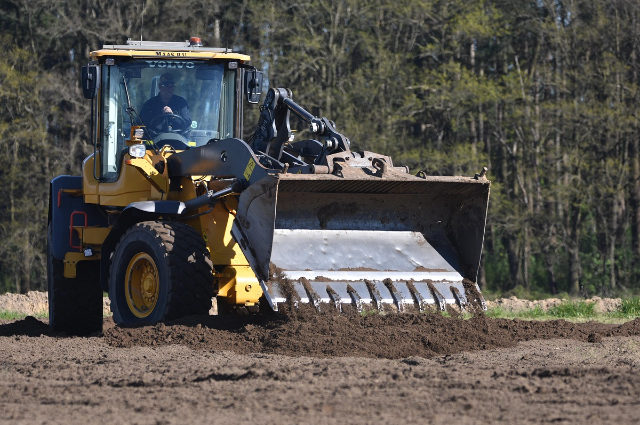
Human-made mountains can be created or removed in a couple of weeks with heavy equipment, as opposed to millions of years for natural processes. Mountain formation takes place through natural means (like erosion) and creates mountains over millions or billions of years through several mechanisms, like sedimentation or movement of tectonic plates. Mountains can occur naturally and remain unchanged as a result of non-human interference. This can happen with either heavy equipment or through blasting, as an example of the overwhelming toll of government-driven products on nature, will cause changes and removal of rock and soil will be transported from the mountain.
Mountain range formation supports vital hydrologic, geomorphic, and ecological processes that sustain biodiversity and provide resources for human livelihoods.
Afforestation as a Climate and Land Degradation Strategy
As a result of climate change and land degradation, some governments and organisations have taken action by creating large-scale afforestation projects; the example of the Great Green Wall in Africa, which covers approximately 8000 km from east to west across the Sahel, and the Three North Shelterbelt in China has given rise to afforestation of billions of trees for soil stabilisation and wind erosion mitigation. These projects will help to create land rehabilitation and improve soil health while reducing the total amount of greenhouse gases released back into the atmosphere, and help build infrastructure that will increase their level of resiliency to the effects of climate change. The Great Green Wall Initiative was launched in 2007 to restore biodiversity across North Africa, as well as adding eleven (11) countries (including Sudan, Nigeria and Ethiopia) to the list of nations that committed to reviving plant life and restoring ecosystems damaged by degradation is vital. The process of nurturing degradation includes the re-establishment of plant growth (regulation), and healing for the loss of ecosystems is critical. Other initiatives have been initiated in an individually unique manner since 1970, such as Algeria's Green Dam, which was also designed to combat desertification within the Pre-Saharan regions.
Achievements and Limitations of Green Wall Initiatives
The Great Green Wall Initiative and other related projects are commendable and have the potential for significant environmental enhancement. Mountains have developed over millions of years and are responsible for the development of groundwater systems, have provided a stabilising influence for local climates, and have provided habitats for countless plant and animal species which have developed over millions of years. Natural tree belts and afforestation cannot replicate these highly interdependent ecosystem services. For example, the Savanna Region in Africa is losing an estimated 24 billion tons of fertile soil each year due to desertification, yet relying on tree planting alone cannot solve these multiple problems; combined with ecological/geological/hydrological features developed over 100 million years in ancient mountain ecosystems, they can be restored.
Why Afforestation Cannot Replicate Mountain Ecosystems
Large-scale afforestation techniques have frequently been used for the restoration of environmental degradation. For example, Algeria launched its Greening of Algeria initiative in 1970 to provide undergrowth and to stabilise soil that was rapidly going to be eroded and prevent the rapid expansion of Desert Landscapes. The Great Green Wall Initiative is based on an idea similar to that of connecting the Sahara Desert in Africa and the Tropical Forests in Africa with one continuous band of vegetation, and all of Africa's countries. This has developed as part of an effort to stop the continued degradation of thousands of years of forest through agriculture, overgrazing, mineral extraction, and other unregulated practices that have accelerated desertification and the corresponding loss of land productivity and utility. The efforts made by the above-mentioned initiatives have allowed communities to reclaim areas of degraded land through enhanced vegetation cover. Improving local communities’ livelihood and cutting atmospheric CO2 emissions/increasing carbon sequestering. However, they cannot effectively replicate the complexity of continued ecological disturbance associated with continental mountains due to their geological origin and high altitudes.
Challenges and Realities of Large-Scale Tree-Planting Projects
There are many practical challenges associated with large-scale afforestation initiatives, including water resources, selecting the correct species of tree to plant, and maintaining them over a longer term. Planning and supplying suitable resources for the success of these initiatives is very important. Many experts believe tree planting should occur as a complement to natural ecosystems rather than replacing them. For example, projects like Africa’s Green Wall and China’s Three-North Shelterbelt clearly demonstrate how degraded lands can be partially rehabilitated to create wildlife habitat and improve biodiversity.
The Irreplaceable Role of Ancient Mountain Ecosystems
Beyond being mountain ranges in the landscape, mountains play an essential ecological role. In addition to providing a water supply, they mitigate changes to the climate in the surrounding region, provide habitat for numerous layers of ecosystems and act as an obstruction to desertification. The resulting impacts associated with the loss of these ancient mountains would have overwhelming effects on society (increased erosion, increased scarcity of freshwater, and loss of rural livelihoods). The loss of Ecosystem Services associated with mountain ecosystems will have very negative, long-lasting effects on the communities that depend on the systems for agriculture, tourism, and traditional livelihoods. The establishment of new forests through afforestation does not replace the importance of these ancient ecosystems.
The Meso-Supergiant mountains provide valuable services to humans, including environmental, hydrological and geological. While projects such as Africa's Great Green Wall or China's Three Norths Shelterbelt are aimed at reforesting these mountain regions, they are also utilising developing techniques to reduce the potential impacts of modernised development activities. These projects are using restoration of certain Meso-Supergiant Ecosystems to protect against such impacts, but even at their best, they cannot fully restore Biodiversity and Complex Interactions. However, to sustain our planet, it is vital to continue to support Healthy Tree Planting Areas and preserve and protect the Meso-Supergiant Ecosystems that are in existence today.
. . .
References: