
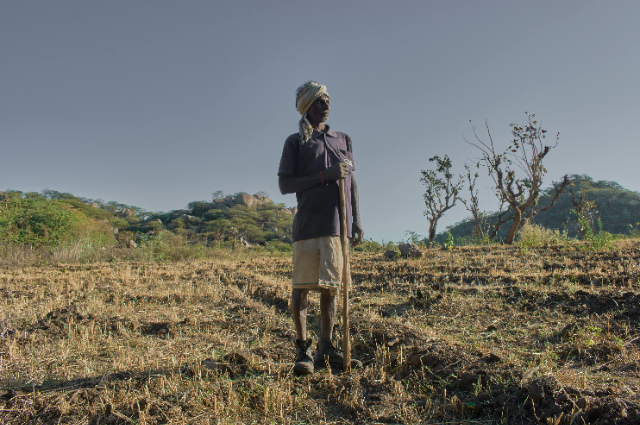
The image of an Indian farmer—toiling under a relentless sun with a hopeful gaze toward the horizon—is often romanticised in folklore. Yet, beneath this poetic veneer lies a gritty, heartbreaking reality. For millions, the soil is no longer just a source of life; it has become a battleground for survival.
The Paradox of Plenty
India is a global agricultural powerhouse, yet the hands that feed the nation often go to bed hungry. This "paradox of plenty" defines the modern Indian agrarian crisis. While the country celebrates record-breaking harvests, the individual farmer is frequently trapped in a deepening cycle of debt and despair. The ground beneath them is literally and figuratively breaking.
The Forces Against the Field
The struggles of the Indian farmer are not rooted in a single cause, but in a complex web of systemic pressures:
The Debt Trap: With limited access to formal banking, many small-scale farmers turn to private moneylenders who charge exorbitant interest. A single failed crop due to pests or erratic weather can turn a small loan into a generational burden.
The Monsoon Gamble: Indian agriculture remains a hostage to the climate. As global temperatures rise, the monsoon—once a reliable heartbeat—has become unpredictable. Farmers now face the twin terrors of sudden flash floods and prolonged, bone-dry droughts.
Market Vulnerability: Despite their hard labour, farmers have little control over the price of their produce. A lack of cold storage facilities and a heavy reliance on middlemen mean that a farmer might sell onions for pennies, only for the consumer to buy them at ten times the price.
Fragmented Land: As land is divided through generations, plots have become too small to be economically viable. These "micro-farms" make it difficult to use modern machinery or sustainable irrigation techniques.
The Human Cost
This is not merely an economic issue; it is a crisis of human dignity. The soul of the country resides in its villages, but when the soil "breaks"—losing its fertility or failing to yield—the spirit of the farmer often breaks with it. The rising statistics of rural distress are not just numbers; they represent families losing their heritage and young men and women fleeing to cities to live in urban poverty because the fields can no longer sustain them.
A Path Toward Healing
Fixing the "broken soil" requires a shift from survival to sustainability. The solution lies in a multi-pronged approach:
- Water Literacy: Scaling up drip irrigation and traditional rainwater harvesting to end the total dependence on rain.
- Digital Empowerment: Providing real-time weather data and soil-testing kits to help farmers make informed decisions rather than guesses.
- Direct Links: Strengthening Farmer-Producer Organisations (FPOs) to allow growers to bypass middlemen and sell directly to retailers or exporters.
The Indian farmer is the backbone of the nation. Their struggle is a reflection of our collective priorities. To heal the broken soil, we must ensure that the profession of farming is treated with the same innovation and respect as the technology or service sectors. It is time we ensure that the hands that sow the seeds of our future are not left empty.
References:
- Ministry of Statistics (NSSO): Situation Assessment of Agricultural Households
- Agriculture Census: All India Report on Number and Area of Holdings
- NCRB Data: Accidental Deaths & Suicides in India Reports
- Economic Survey of India: Climate Change and Agriculture (2018)
- The World Bank: India: Issues and Priorities for Agriculture