
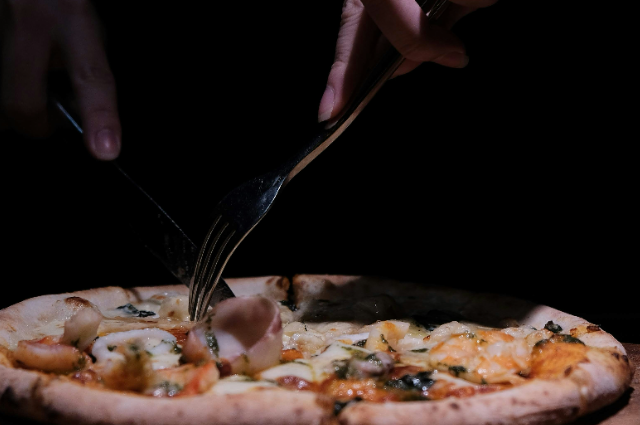
Hell Pizza does not sell food so much as it sells a feeling that lives somewhere between laughter and discomfort, pleasure and guilt, appetite and anxiety. In a world where brands compete to appear wholesome, inclusive, and harmless, Hell Pizza chose the opposite direction. It stared straight into the abyss of bad taste, moral panic, and cultural taboo and decided to decorate the storefront with it. The result is not just a pizza chain, but a living case study in how sin, shock, and satire can become a coherent philosophy of marketing.
At its core, Hell Pizza is built on an ancient idea: that humans are irresistibly drawn to what they are told they should not touch. The Seven Deadly Sins are not simply menu items; they are a confession that indulgence is inevitable. Lust drips with meat, Greed doubles portions, Gluttony mocks restraint itself. The menu does not pretend pizza is virtuous fuel. It frames it as a pleasurable failure of discipline. In doing so, Hell Pizza absolves the customer before the crime is even committed. You are not weak for ordering this pizza. You are human.
This philosophy extends into their aesthetic universe. Flames, skeletons, coffins, and cynical humour are not random shock tactics; they are symbols of impermanence. Everything ends. Diets fail. Bodies decay. Why pretend otherwise? Hell Pizza laughs at the illusion of purity that modern branding often sells. Where other companies whisper about “balance” and “lifestyle,” Hell shouts about death and desire, and somehow that honesty feels refreshing.
Their most infamous stunt, the rabbit skin billboard, revealed how deeply this honesty cuts. Hundreds of real rabbit pelts, stapled together in public view, confronted passersby with a truth most consumers prefer to ignore: meat comes from dead animals. The slogan, brutally literal, refused to soften the message. The outrage was immediate. Parents complained. Activists protested. Yet the pizza sold out within weeks. What people claimed to hate, they privately rewarded.
This is the paradox Hell Pizza understands better than most brands: outrage is not rejection. It is engagement. Moral discomfort keeps a brand alive in the public imagination far longer than polite approval ever could. When Hell Pizza crossed the line, the line itself became the headline. And headlines sell pizza.
The Pizza Roulette promotion refined this insight into a social experiment. One slice contains invisible pain. No one knows who will suffer. It is a perfect metaphor for risk itself, packaged as entertainment. The slogan “It doesn’t cost, but someone pays” reads less like an ad and more like a thesis on modern life. We participate willingly, knowing harm is possible, because the story is worth it. Hell Pizza didn’t invent this impulse; it simply weaponised it with chilli extract and cardboard boxes.
Even more unsettling was “AfterLife Pay,” the legally binding offer to pay for pizza after death. On the surface, it was a joke taken too far. In reality, it was a mirror held up to debt culture. Buy now, suffer later, except Hell Pizza followed the logic to its final destination: the grave. By forcing customers to amend their wills, the company transformed abstract financial anxiety into a darkly comedic ritual. It wasn’t just satire; it was critique disguised as commerce. Hell Pizza didn’t ask, “Is this responsible?” It asked, “Is this honest?”
Many of their controversies follow the same pattern. The Burger Pizza experiment, where thousands of customers unknowingly enjoyed plant-based meat, exposed how much identity people attach to consumption. The anger that followed wasn’t really about allergens or disclosure; it was about betrayal of self-image. Meat eaters do not like being told they enjoyed something that challenges their narrative. Hell Pizza didn’t argue with them. It simply let the receipts speak.
The condom mail-out scandal, the Hitler imagery, the satanic hot cross buns, all of these crossed social and cultural boundaries that most brands treat as electrified fences. Hell Pizza treated them as invitations. This is not because the company is ignorant of history, religion, or trauma, but because it understands that uncomfortable symbols only retain power if we agree to protect them. Hell Pizza repeatedly asked, “What happens if we don’t?”
The answer was never silence. It was debate, condemnation, news coverage, and quietly increased sales.
Even their delivery vehicles are sermons on wheels. The hearse, with its coffin turned over, collapses the distance between life, death, and dinner into a single theatrical moment. When a driver opens the coffin and steam rises from your pizza, the message is clear: consumption and mortality are roommates. The tank deliveries, absurd and aggressive, parody corporate warfare by turning it into a literal spectacle. Hell Pizza does not hide the brutality of competition; it caricatures it.
The staff, dressed as minions of hell, complete the ritual. They are not pretending this is just a job. They are actors in a shared joke between brand and customer. You are not buying pizza; you are participating in a performance that mocks seriousness itself.
Why does this work? Because Hell Pizza understands that modern consumers are exhausted by moral theatre. People know corporations are not virtuous. They resent being lectured by brands that sell indulgence wrapped in virtue-signalling. Hell Pizza removes the mask. It says: this is bad for you, it’s ridiculous, it might offend you, and you’re probably going to enjoy it anyway.
In that honesty lies its power.
Hell Pizza is not merely controversial for attention’s sake. It is a sustained argument against sanitisation, against the idea that comfort and safety are the highest values in culture. It treats offence as a currency and discomfort as a conversation starter. In doing so, it exposes how fragile our moral boundaries really are and how quickly we forgive when pleasure is involved.
Ultimately, Hell Pizza’s greatest trick is not shock. It is consistency. Every stunt, from rabbit skins to wills, flows from the same worldview that humans are flawed, desire-driven creatures pretending to be rational and pure. Hell Pizza doesn’t judge that reality. It celebrates it, sells it, and delivers it in a coffin.
And perhaps that is the most unsettling truth of all: we don’t just tolerate sin in our consumption. We crave brands that acknowledge it.