
In a time when nations measure power by missiles, markets, and military alliances, India is once again being reminded that a country's strength is also hidden in the everyday habits of its citizens. On May 10, 2026, while addressing the nation from Hyderabad, Prime Minister Narendra Modi delivered a message that sounded less like a political speech and more like a national warning. His appeal was simple yet striking: save fuel, avoid buying gold, reduce unnecessary expenses abroad, and embrace work-from-home practices whenever possible. Behind these words was a deeper fear, the growing economic pressure caused by the Iran war and the global energy crisis that followed.
India has always walked a delicate line when it comes to energy dependence. A large portion of the country’s fuel needs comes from imports, and when international oil prices rise sharply, the pressure reaches every Indian household. Transportation becomes expensive, inflation rises, businesses suffer, and the value of the rupee weakens. The ongoing Iran conflict has intensified these dangers. Crude oil prices have surged globally, and India, which already spent nearly $175 billion on crude and petroleum imports in the last financial year, now faces an even heavier burden.
The Prime Minister’s concern was not merely about economics on paper. It was about protecting India’s foreign exchange reserves, the financial shield that helps the country survive global crises. In just two months, India’s reserves reportedly dropped by nearly $38 billion. Such a decline is not a small warning sign; it is a reminder that economic wars can damage nations even without bombs falling on their soil.
What made Modi’s speech unusual was the fact that he did not place the responsibility only on industries or policymakers. Instead, he directly addressed ordinary citizens. He urged people to use public transport, share rides, avoid unnecessary driving, and shift meetings online whenever possible. In many ways, it echoed the lessons learned during the COVID-19 pandemic, when remote work became a global necessity. Back then, technology helped economies continue functioning while reducing travel and fuel consumption. Modi’s suggestion was not just about convenience; it was about national discipline.
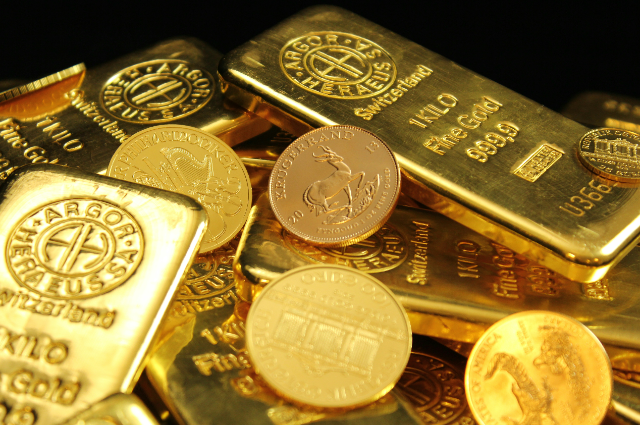
Perhaps the most surprising part of his appeal was the request to avoid purchasing gold for at least one year. Gold has emotional value in India that goes far beyond investment. It represents tradition, celebration, security, and social status. Weddings are incomplete without it, and generations have trusted gold more than banks. Yet the Prime Minister pointed out a difficult reality: India imported gold worth around $72 billion in a single year, making it one of the largest gold importers in the world. In times of economic stress, this becomes a serious drain on the country’s foreign exchange reserves.
The market reacted immediately. Jewellery company shares fell sharply after the speech, showing how powerful a single national message can be. But beyond stock markets, the statement triggered a larger debate. Can patriotism influence consumer behaviour? Can people sacrifice personal desires for national stability? These are difficult questions in a country where aspirations are rapidly growing.
Modi also requested citizens to avoid nonessential foreign travel for at least a year. Millions of Indians now travel abroad for vacations, luxury shopping, and leisure experiences. While this reflects rising prosperity, it also increases the outflow of foreign currency. The Prime Minister’s message suggested that temporary restraint today could protect economic stability tomorrow. Even airline stocks reacted to the announcement, proving that financial markets understood the seriousness of the situation.
Another important aspect of the speech focused on farmers. India remains one of the world’s largest importers of urea and fertilisers. Modi encouraged farmers to reduce fertiliser use by half wherever possible and adopt more balanced agricultural practices. This part of the message connected economic survival with environmental responsibility. Excessive fertiliser use not only burdens national imports but also damages soil quality over time.
Even cooking oil entered the conversation. Modi appealed to families to reduce oil consumption, describing it as both healthy and patriotic. On the surface, it sounded like a simple lifestyle suggestion. Yet symbolically, it carried a broader message: national resilience begins at the dining table, in kitchens, in travel choices, and in the daily decisions of ordinary people.
Critics may argue that such appeals place too much burden on citizens instead of governments. Supporters, however, see it differently. They believe moments of crisis demand collective responsibility. History has repeatedly shown that nations survive difficult periods not only through policies but through public participation and sacrifice.
What makes this moment significant is that it reflects a changing form of patriotism in the modern world. Earlier generations were asked to defend borders; today, citizens are being asked to defend economic stability. The battlefield is no longer only physical; it exists in fuel stations, shopping decisions, airline bookings, and consumption habits.
Whether people fully follow Modi’s appeal or not, the speech has already succeeded in starting a national conversation about responsibility, sustainability, and economic awareness. It reminded India that in an interconnected world, distant wars can reshape domestic realities overnight. More importantly, it showed that sometimes the most powerful acts of patriotism are not dramatic gestures, but small sacrifices repeated by millions every day.
Refrences
- Moneycontrol.com
- Lokmattimes.com
- The week in