
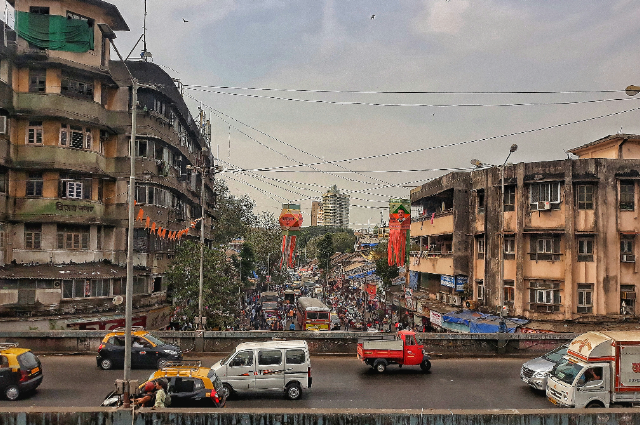
In Mumbai, where space is a luxury and silence is often a distant dream, Shivaji Park occupies a special place in the city's heart. Located in Dadar, this vast open ground is more than a public park. It is a landmark of political history, a playground for aspiring cricketers, a gathering place for citizens, and a symbol of Mumbai's collective identity. Yet, behind its historical significance lies a recurring conflict: the struggle between residents seeking peace and protesters demanding the right to be heard.
For years, Shivaji Park has stood at the centre of this dilemma. Every large gathering brings the same questions to the surface. Whose space is it? How should public land be shared? And can a city protect the right to protest without compromising the everyday lives of the people who call it home?
A Ground That Speaks for Millions
Shivaji Park has witnessed some of Maharashtra's most significant political and social moments. Its association with public meetings, political speeches, and mass movements has made it an important destination for people seeking to express collective demands. The ground's historical connection with the Samyukta Maharashtra movement and its place in the state's political landscape have strengthened its reputation as a space for public expression.
For protesters, Shivaji Park represents opportunity. It offers visibility, accessibility, and a platform where thousands can assemble around a common cause. A protest held here can attract public attention, influence political discussions, and give ordinary citizens a chance to challenge decisions affecting their lives.
But the same qualities that make the ground attractive to organisers can make it difficult for nearby residents. What appears to be a powerful democratic gathering to one person may feel like an unwanted disruption to another.
When Public Voices Become Private Burdens
Imagine living near Shivaji Park on a day when a major demonstration is scheduled. Roads become crowded, public transport faces additional pressure, loudspeakers compete with everyday sounds, and access to residential buildings may become difficult. The effects can continue long after the speeches end, particularly when crowds leave behind litter or public infrastructure requires additional cleaning.
For residents, these are not abstract inconveniences. They are part of daily life.
An elderly person may struggle to reach a hospital appointment. A student may find it difficult to concentrate during examinations. A shopkeeper may experience unexpected business losses because customers cannot easily reach the premises. Families with young children may find the constant noise exhausting.
The frustration becomes greater when such disruptions occur repeatedly. Residents may support the causes being raised without agreeing that their neighbourhood should repeatedly bear the consequences.
Their concerns deserve serious consideration. Living beside a historically important public ground should not mean surrendering one's right to reasonable peace, safety, and access to essential services.
The Other Side of the Argument
However, treating every protest as a public nuisance would be equally unfair. Peaceful assembly is an essential feature of democracy. It allows citizens to question authority, demand accountability, and draw attention to issues that might otherwise remain ignored.
For many people, public demonstrations are not a matter of convenience but a response to circumstances in which other channels have failed to deliver results. Workers, students, community organisations, and political groups may depend on public gatherings to communicate their demands.
Restricting demonstrations too heavily can weaken this important democratic mechanism. Public spaces must remain accessible to citizens, not become exclusive privileges enjoyed only by those who can afford private platforms.
The real challenge, therefore, is not to decide whether residents or protesters matter more. Both have legitimate interests. The challenge is to ensure that one group's rights do not unnecessarily undermine another's.
Finding a Balance Between Democracy and Daily Life
Resolving Shivaji Park's long-running dilemma requires practical planning rather than repeated confrontation.
First, authorities should establish transparent guidelines for granting permission for large gatherings. These should specify acceptable noise levels, event timings, crowd limits, sanitation arrangements, and responsibilities for restoring the ground after an event.
Second, organisers should be held accountable for the behaviour of their participants and the condition of the surrounding area. Providing waste collection, coordinating crowd movement, and communicating schedules to residents in advance can reduce avoidable inconvenience.
Third, authorities should consult residents before approving exceptionally large or frequent events. Their concerns about traffic, emergency access, noise, and public safety should inform decisions rather than being addressed only after complaints arise.
Finally, alternative venues and better crowd-management systems should be considered whenever the expected size or duration of a gathering threatens to overwhelm the neighbourhood.
These measures would not eliminate every disagreement, but they could replace recurring resentment with a more predictable and cooperative arrangement.
Sharing the Ground, Respecting the City
Shivaji Park's dilemma reflects a larger problem facing Mumbai: how can a densely populated city preserve vibrant public life while protecting the people who live closest to its busiest spaces?
The answer cannot lie in silencing protesters or dismissing residents as intolerant. Democracy needs public voices, but a functioning city also needs consideration, discipline, and responsible administration.
A protest's success should not be measured solely by the number of people who attend or the volume of the slogans raised. It should also reflect the ability of its organisers to respect the surrounding community. Similarly, protecting residential peace should not become an excuse to prevent peaceful expressions of dissent.
Shivaji Park belongs to a larger civic story, one in which public spaces serve different purposes for different people. Its future depends on recognising that these purposes can coexist when rights are accompanied by responsibilities.
Ultimately, the ground should remain a place where citizens can gather, question, celebrate, and speak freely, without making neighbourhood residents pay an unreasonable price for democracy.
The true test of Mumbai's civic spirit is not whether everyone agrees on what Shivaji Park should be. It is whether a city as diverse and energetic as Mumbai can make room for disagreement while ensuring that everyone, whether holding a placard or opening a window at home, is treated with dignity.
References:
- Awaz Foundation Article
- The Indian Express