
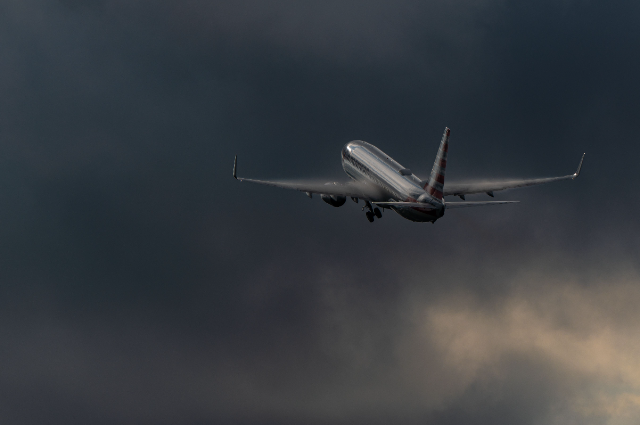
At cruising altitude, the world beneath an aircraft appears distant and peaceful. Passengers watch films, exchange quiet conversations, or gaze out the window at clouds floating like islands in an endless sky. On September 30, 2026, however, passengers aboard flydubai Flight FZ1073 discovered how quickly that familiar sense of security could disappear. What began as a routine journey from Dubai to Tel Aviv transformed into a terrifying aviation emergency when the aircraft reportedly plunged thousands of feet following an alleged attack inside the cockpit.
The incident became a chilling reminder that aviation safety depends not only on technology and procedures but also on the people responsible for protecting everyone on board.
A Routine Journey Takes a Terrifying Turn
Flight FZ1073 was carrying passengers towards its destination when events inside the cockpit reportedly spiralled out of control. According to initial reports, the co-pilot allegedly attacked Captain Smit Machchhar, an Indian pilot, and attempted to seize control of the aircraft. Investigators are still examining the motive behind the incident.
Suddenly, the aircraft's journey was no longer routine.
Flight-tracking information indicated that the plane descended from approximately 33,000 feet to around 17,000 feet in a remarkably short period. For those inside the cabin, the sudden loss of altitude was a frightening experience. The aircraft's movements shattered the illusion that everything was under control, leaving passengers struggling to understand what was happening.
At thousands of feet above the ground, there was no easy escape from the danger. Every passing second mattered.
When the Cockpit Became the Centre of the Crisis
The cockpit is the nerve centre of an aircraft, where trained professionals make decisions that affect every person on board. When an emergency threatens that space, the consequences can extend far beyond its closed door.
Reports indicated that Captain Machchhar was seriously injured during the confrontation. Despite his injuries, he reportedly managed to unlock the cockpit door, creating an opportunity for others to intervene. Passengers and crew members then helped restrain the alleged attacker.
Their actions were extraordinary not because they were fearless, but because they responded during a moment of profound uncertainty. In a crisis, courage does not always announce itself through dramatic gestures. Sometimes, it appears as a decision to help when remaining uninvolved might seem safer.
Meanwhile, other pilots travelling as passengers reportedly assisted in taking control of the situation. Their aviation experience proved crucial as the aircraft faced an emergency that demanded calm judgement and coordinated action.
The Descent That Changed Everything
A drop of approximately 17,000 feet is more than a dramatic figure on a flight-tracking screen. It represents a sudden and deeply unsettling disruption to the conditions under which an aircraft normally operates.
For the passengers, the numbers could not capture the uncertainty of those moments. They did not necessarily know what had happened in the cockpit, whether the aircraft could be stabilised, or where they might land.
Yet the plane remained airborne.
The crew and assisting pilots worked to bring the situation under control. An emergency landing was arranged in Tabuk, Saudi Arabia, where the aircraft landed safely. All those aboard survived, although the incident left serious questions about how such a dangerous situation could develop during a commercial flight.
The safe landing was a relief, but it did not erase the frightening reality of what had happened.
Beyond the Headlines: Questions About Aviation Security
The incident raises an uncomfortable question: how can aviation systems prepare for threats that may originate from within the cockpit itself?
Modern commercial aviation relies on extensive training, security procedures, communication systems, and clearly defined responsibilities. These safeguards are designed to reduce risks, but no system can be considered beyond improvement.
An incident involving an alleged attack by a member of the flight crew requires careful investigation. Authorities must establish the sequence of events, assess whether existing procedures were followed, and determine whether additional safeguards are necessary. Any conclusions must be based on verified evidence rather than speculation.
The episode also highlights the importance of emergency preparedness. Flight crews train to respond to difficult situations, while coordination between airlines, airport authorities, air traffic controllers, and emergency services helps make safe outcomes possible.
Aviation security cannot depend on a single locked door or one individual's judgement. It requires several layers of protection working together.
Courage at 30,000 Feet
Perhaps the most powerful aspect of this incident is the reminder that ordinary people can become extraordinary in moments of crisis. The captain's reported determination, the assistance provided by passengers, and the intervention of other pilots all contributed to the effort to prevent a catastrophe.
Their actions deserve recognition, but the incident should not become a reason to romanticise danger. No passenger should ever have to face such a situation, and no flight crew member should have to fight for control of an aircraft under these circumstances.
The real lesson lies in preventing similar emergencies, strengthening safety systems, and learning from every detail established by the investigation.
A Safe Landing, but a Lasting Warning
Flight FZ1073 ultimately reached the ground safely in Saudi Arabia. What could have become a devastating tragedy instead became a story of survival, professional responsibility, and human courage.
The aircraft's 17,000-foot plunge was not merely a frightening moment in the sky. It exposed the importance of vigilance, accountability, and preparedness in an industry where thousands of lives depend on decisions made within seconds.
Passengers board aircraft trusting that their journey will be protected by people, procedures, and technology working together. That trust must never be taken for granted.
The flight landed, but the questions it raised remain important: how can aviation security become stronger, how can insider threats be identified, and how can the industry ensure that a similar crisis is less likely to happen again?
Because the true measure of aviation safety is not simply whether an aircraft reaches its destination. It is whether every possible effort has been made to ensure that everyone aboard gets there safely.
References:
- Times of India
- The indian express