
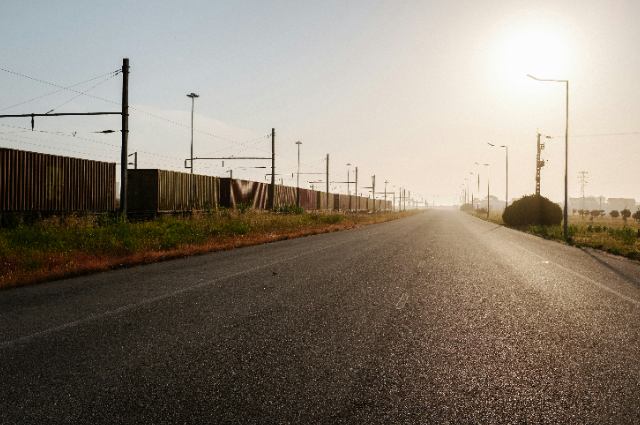
India is not just experiencing summer this year; it is enduring it. The heat has moved beyond discomfort and into something more oppressive, more relentless, almost as if the air itself has gained weight. Across vast stretches of the country, thermometers are climbing to alarming levels, placing India at the centre of a global heat surge that feels both immediate and deeply unsettling.
Recent temperature observations paint a stark picture. Dozens of Indian cities are dominating the list of the world’s hottest places, with temperatures soaring into the mid-40s Celsius. Towns that rarely make international headlines are now at the forefront for all the wrong reasons. Places like Sasaram in Bihar have touched 45°C, while cities across Uttar Pradesh, Varanasi, Prayagraj, and Mirzapur hover around 44°C, turning daily life into a test of endurance.
But this is not a localised event. The heat stretches across regions, gripping states like Maharashtra, Telangana, Madhya Pradesh, Odisha, and Uttar Pradesh with unyielding intensity. Even cities once celebrated for their moderate climates are no longer spared. Bengaluru, long admired for its cool breezes and greenery, is witnessing temperatures crossing 36–37°C in April itself—a shift that signals a deeper transformation rather than a temporary anomaly.
To understand this phenomenon, one must look beyond the numbers. The heatwave is not just about high temperatures; it is about how those temperatures are sustained and amplified. Climate change plays a central role, steadily raising baseline temperatures year after year. What was once considered extreme is now becoming typical. Heatwaves are arriving earlier, lasting longer, and affecting wider areas.
At the same time, human activity is intensifying the problem. Rapid urbanisation has reshaped landscapes—concrete has replaced soil, glass towers have replaced trees, and asphalt roads absorb and radiate heat long after sunset. This creates what scientists call the “urban heat island effect,” where cities trap heat and prevent it from dissipating. The result is not just hotter days, but suffocating nights where relief never truly arrives.
Green cover, which once acted as a natural cooling system, has diminished significantly in many urban centres. Trees that once provided shade and regulated temperatures are being replaced by infrastructure that absorbs heat instead of deflecting it. The balance has shifted, and nature is no longer able to counteract the rising temperatures as effectively as before.
The consequences are not limited to discomfort; they are deeply human. Daily routines are being disrupted as people avoid stepping out during peak afternoon hours. Workers who depend on outdoor labour face heightened risks. Children and the elderly are particularly vulnerable, with heat exhaustion and dehydration becoming increasingly common. Hospitals are preparing for a surge in heat-related illnesses, while schools are taking precautions by stocking essentials like oral rehydration solutions.
Despite the severity of the situation, relief remains uncertain. Some regions in eastern and northeastern India may experience brief respite through thunderstorms and gusty winds, offering temporary breaks from the heat. However, these are fleeting moments rather than lasting solutions. A significant drop in temperatures is unlikely until stronger pre-monsoon systems develop or the monsoon advances further into the country.
What makes this heatwave especially concerning is not just its intensity, but its predictability. It reflects a pattern that scientists have been warning about for years. The line between seasonal variation and climate crisis is becoming increasingly blurred. Each year seems to push the limits further, normalising what once felt extreme.
Yet, amidst this challenge, awareness and adaptation remain crucial. Simple measures, such as staying hydrated, avoiding direct sun exposure, wearing light clothing, and monitoring weather updates, can make a meaningful difference. Communities, institutions, and individuals all have roles to play in responding to this evolving reality.
The heatwave is not just a weather event; it is a signal. A signal that the environment is changing in ways that demand attention, action, and responsibility. As India stands at the epicentre of this rising heat, the experience serves as both a warning and a call to rethink how cities grow, how resources are used, and how nature is valued.
Because if the air continues to grow heavier each summer, the question will no longer be how hot it gets but how long we can endure it.
References:
- Nature
- IMD Monograph