
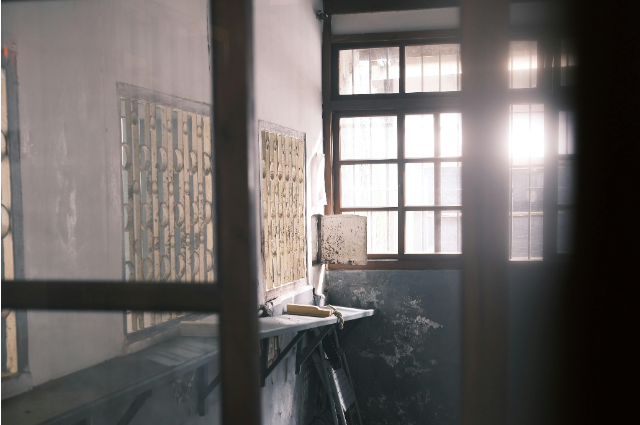
On May 12, 2026, the historic Chanchalguda Central Jail in Hyderabad introduced a novel initiative known as the "Feel the Jail" experience. By allowing members of the public to stay within a simulated prison environment for 12 or 24 hours, the facility aims to foster deeper public reflection on the concepts of freedom, moral reform, and the nature of punishment. While the experiment offers a rare vantage point, it raises a fundamental question: can a brief, voluntary stint truly mirror the weight of a long-term prison sentence?
A Lesson in History and Institutional Reform
Chanchalguda Central Jail, established during the Nizam era in the late 19th century, is a cornerstone of Hyderabad’s history. Rather than merely offering a thrill, the site has been converted into a museum that chronicles the evolution of the penal system. By detailing the transition from historical incarceration to modern rehabilitation strategies, the project serves as an educational bridge, moving the conversation beyond mere morbid curiosity to a broader examination of legal and social administration.
Participants undergo a controlled routine, featuring typical prison fare and restricted movement, designed to mimic the regimented nature of life behind bars. By making these slots accessible to the public, the administration has transformed an otherwise opaque institution into an interactive classroom.
The Value of the Simulation
The experience effectively highlights the immediate, jarring effects of captivity. Even a one-day stay can bring the loss of personal autonomy into sharp focus. The lack of privacy, the rigid adherence to a dictated schedule, and the absence of personal agency are powerful reminders of the liberties most people take for granted. Furthermore, the simulation demonstrates how time seems to stretch when one’s life is governed by external authority, turning an abstract idea of "losing freedom" into a tangible, uncomfortable reality.
The Limitations of the Experience
Despite its benefits, the simulation remains a mere glimpse into the reality of long-term imprisonment. A 24-hour stay cannot replicate the profound psychological impact of months or years of confinement. It cannot account for the paralysing fear of trial, the permanent stigma, the strain of total family separation, or the chronic instability that defines a life sentence.
In a real correctional facility, the struggle goes beyond the physical cell; it involves the slow erosion of one’s identity and hope. Because visitors know their confinement has a scheduled conclusion, they are spared the gruelling uncertainty and the systemic pressures—such as overcrowding and lack of legal support—that define the lives of actual inmates.
Why This Initiative Matters
The significance of the program lies in its ability to spark empathy. By moving the discourse on crime away from abstract judgment and toward personal reflection, the museum encourages citizens to consider whether the primary goal of prison should be strictly retributive or whether it should focus more on rehabilitation and reintegration. Moreover, by preserving the history of these walls, the initiative reminds us that prisons are an extension of the society that creates them—reflecting its values, biases, and progress.
A Fragmented Truth
Ultimately, the "Feel the Jail" experience offers a window—not a full picture—into the prison system. While it successfully conveys the discipline and emotional shock of confinement, it cannot replicate the compounding, multi-year suffering of a genuine sentence. Its true value lies in its ability to provoke a deeper understanding that, while a night in a cell is difficult, the actual reality of years behind bars is a far more complex and enduring burden.
References
- India Today: Hyderabad's new 'Feel the Jail' museum lets visitors see what prison life feels like (12 May 2026) – https://www.indiatoday.in
- The New Indian Express: Telangana launches 'Jail Anubhavam' at Chanchalguda Jail (12 May 2026) – https://www.newindianexpress.com
- NDTV: Pay Rs 2,000 To Live Like A Prisoner At Hyderabad Jail (11 May 2026) – https://www.ndtv.com
- Wikipedia: Chanchalguda Central Jail – https://en.wikipedia.org
- WION: Hyderabad Jail Museum To Offer Visitors Real 24-Hour Prison Experience (10 May 2026) – https://www.youtube.com
- South Matters: Feel the Jail Hyderabad: Chanchalguda Launches Prison Experience (11 May 2026) – https://www.southmatters.com