
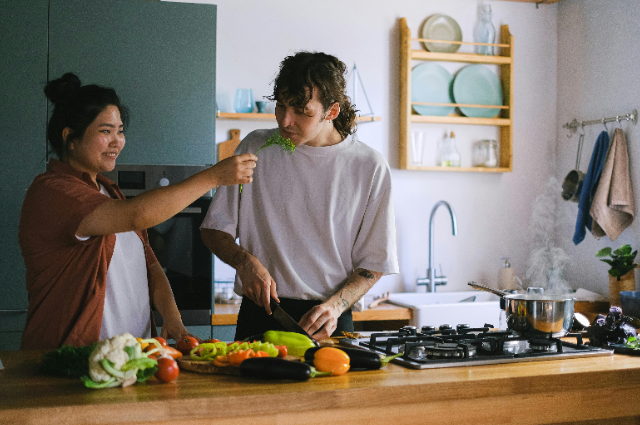
There is a specific, indefinable alchemy that happens in a home kitchen. It isn’t just about the chemistry of ingredients; it is about the sensory imprint left behind. The sound of mustard seeds spluttering in hot oil (tadka), the earthy scent of roasting spices, the sight of flour dusting a countertop, and the quiet, rhythmic chopping of a knife—these are the building blocks of what we fondly call “Maa ke haath ka khana” (food made by mother’s hands).
In recent years, the rapid rise of cloud kitchens—digital-only restaurants operating solely through delivery apps—has fundamentally transformed how we experience food. While they offer unparalleled convenience and variety, a pressing question emerges: are we trading the soul of our sensory memories for the efficiency of an algorithm?
The Neuroscience of Sensory Memory
Food is perhaps the most potent trigger for autobiographical memory. Known as the Proustian Effect, the sensory experience of a familiar taste or smell can transport us back to a specific moment in time with startling clarity.
According to researchers at the Monell Chemical Senses Center, the olfactory bulb—the part of the brain that processes smell—is directly connected to the amygdala and hippocampus, the regions responsible for emotion and memory. This is why a simple bite of a specific dish can evoke the comfort of a rainy afternoon in childhood or the warmth of a festive family gathering.
"Maa ke haath ka khana" is rarely just about the meal's nutritional value. It is a multisensory experience that includes the anticipation of the meal, the setting of the table, and the unseen love poured into the preparation.
The Rise of the Cloud Kitchen: Efficiency Over Atmosphere
Cloud kitchens (also known as ghost kitchens) have revolutionized the food industry by stripping away the "non-essential" elements of dining: the physical restaurant, the waitstaff, the decor, and the human interaction.
From a business standpoint, this model is brilliant. It minimises overhead costs and maximizes delivery reach. However, from a sensory perspective, it creates a sterile environment. When you order from a cloud kitchen, the sensory progression of a meal is truncated. The "process" is hidden. You don’t smell the onions caramelizing, nor do you hear the kitchen activity. The food arrives in a plastic or cardboard container, often slightly steamed from the travel time, and you consume it in isolation.
The National Restaurant Association has noted that the shift toward delivery-centric models is a permanent change in consumer behavior. But as we move toward a future defined by efficiency, we must consider what is being erased from the culinary experience.
The "Soul" Deficit
The term Maa ke haath ka khana implies a personal connection. It suggests that the person cooking knows your preferences—perhaps you like your spice level lower, or you prefer your rotis extra crispy.
Cloud kitchens are inherently depersonalized. They are designed for consistency and scale rather than intimacy. When food is prepared in a high-volume, industrialized kitchen, the "imperfections" that often characterize home cooking—a slightly burnt edge, a generous heap of a favorite herb—are ironed out by standard operating procedures.
When we lose the connection to the person who prepared our food, we lose the social and emotional context of eating. A meal from a cloud kitchen satisfies the hunger, but it rarely nurtures the spirit. It leaves us fed, but often oddly unsatisfied.
Can We Reclaim the Sensory Experience?
As we navigate this new culinary landscape, how do we prevent the total erosion of sensory-led dining? Here are a few ways to keep the "soul" alive:
- The Ritual of Plating: Don't eat straight out of the plastic container. Transfer the food to your favorite ceramics or stoneware. The act of plating signals to your brain that it is time to slow down and appreciate the meal.
- Engage the Senses: Before diving in, take a moment to smell the food. Note the textures. By mindfully engaging with the dish, you elevate it from a mere delivery service to a dining experience.
- Support Local, Human-Centric Kitchens: Prioritise ordering from local, family-run establishments that use delivery apps as a tool rather than those that exist solely as faceless, multi-brand ghost kitchens.
- Preserve Your Own "Maa ke haath" moments: In a world of instant gratification, continue to cook at home, even if it’s simple. The act of cooking for yourself or others is an act of preservation. Passing down a recipe is effectively passing down a sensory memory.
The Bottom Line
Cloud kitchens are not inherently "bad." They provide a vital service, democratizing access to diverse cuisines and supporting the gig economy. However, we must be aware of the trade-off. Convenience is a tool, not a substitute for the human connection that lies at the heart of gastronomy.
If we don’t prioritise the stories, the smells, and the human hands behind our meals, we risk turning food into nothing more than fuel. By bringing mindfulness to our dining—whether from a cloud kitchen or our own stove—we ensure that the sensory memories of our past continue to inform the flavour of our future.
References:
- For more on how smells trigger memory: Harvard Gazette: How scents trigger memories.
- For industry trends on food delivery: McKinsey & Company: The changing landscape of the restaurant industry.
- Exploring the psychology of home-cooked meals: The Atlantic: Why "Maa ke Haath" matters in a post-home-cooking world.