
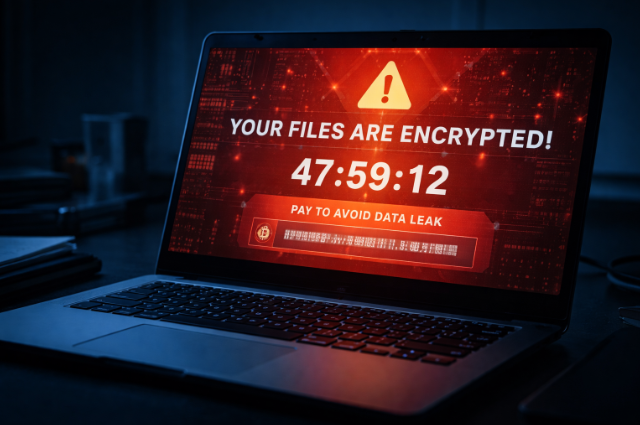
For over 100 years, people have considered physical kidnapping to be a frightening act. The crime requires three participants who engage in hostage situations to negotiate a release. Modern society has developed digital hostage-taking methods that operate exclusively in virtual environments. The hostage is no longer a person in a basement, but a terabyte of private data, family photos, sensitive documents, and intimate videos locked away behind unbreakable encryption. The kidnapper uses his code to execute his demands instead of sending a human to collect his ransom at a parking lot location. This is the era of Auto-Ransom.
Auto-Ransom creates a new type of cybercrime, which uses digital contracts that execute their terms after specific time intervals. The Auto-Ransom system employs a "dead man's switch", which protects your files until you make a payment through its payment system. The system forces organisations to maintain constant negotiations because it treats every data breach as an active hostage situation that requires immediate resolution.
The Mechanics of the Digital Guillotine
The threat requires a precise explanation, which requires people to study its specific operating methods. The Auto-Ransom attack method uses "double extortion" as its opening move.
Infiltration and Exfiltration: Attackers gain access to a victim's device, usually through phishing emails or compromised software. The criminal organisation controls a remote server that receives all sensitive files that the malware uploads from the victim's system before he realises that he has been infected. The malware uses encryption to lock all original files on the victim's device, which makes those files impossible to reach. The computer displays a ransom note that requires users to pay with cryptocurrency.
The Auto-Release Contract: This is the defining feature of Auto-Ransom. The malware includes a programmed "smart contract" or a timed script. The victim receives a countdown period, which lasts between 48 and 72 hours. The system releases the lock when blockchain payment verification fails to occur by the clock's endpoint. The hacker sends all stolen photos and documents to the victim's entire contact list while also uploading the files to public websites and selling them on dark web platforms.
The extortion process now becomes fully automated because human participation has been eliminated. The criminal can use code to threaten the victim without needing to do it themselves because the program operates with exact mathematical accuracy.
Case Study: The "Sex Torture" Wave in India
In India, high internet usage and common smartphone access, together with cultural attitudes that restrict personal data sharing, have established a perfect environment for Auto-Ransom operations. While large-scale corporate ransomware attacks make headlines, a more insidious form of Auto-Ransom targets individuals, specifically through "sextortion."
The Incident: In 2023, the Indian Cyber Crime Coordination Centre (I4C) identified rising numbers of automated malware attacks that used fake adult content applications and dating site links as their entry points. The states of Maharashtra, Karnataka, and Uttar Pradesh showed a specific pattern that developed into an outbreak. Auto-Ransom tactics can expand their operations from attacking a single person to disrupting an entire national supply chain.
The Kaseya VSA Attack (2021): The REvil group conducted an automated supply-chain attack during this worldwide incident, which infected approximately 1,500 organisations. They demanded $70 million in Bitcoin, utilising an automated decryption key release system. The automated system enabled them to handle the consequences of a major attack while maintaining their current staff levels.
The Psychology of the Automated Threat
Auto-Ransom presents terrifying effects through its ability to conduct psychological attacks. Traditional kidnapping requires a human negotiator. Auto-Ransom removes the possibility of pleading or negotiating.
The Illusion of Control: Victims believe they can gain safety through urgent actions. The malware already completed its data theft operation. The "contract" is already signed.
The Ticking Clock: The countdown timer creates panic. The Indian sextortion cases showed that victims paid because they feared social humiliation, even when the payment amount remained low.
The Permanence of the Internet: Digital data becomes impossible to remove from the internet after its initial distribution because it exists in a non-physical form. The Auto-Ransom threat uses internet permanence to force victims into public exposure.
Legal and Technical Challenges
The Auto-Ransom fight encounters multiple challenges because of three main factors.
Anonymity: Bitcoin, Monero, and the Tor network enable criminals to escape detection through their financial activities.
Jurisdiction: The servers that store data and the criminals who operate them usually exist in locations different from their victims. Eastern European or West African criminals target Indian victims.
The "Dead Man's Switch": From a legal standpoint, prosecuting the automated release of data is complex. The crime of extortion remains active after data release, yet all intimidation power has vanished. The crime becomes hidden because victims avoid reporting it after making payments.
The Information Technology (IT) Act, 2000 of India contains Sections 66C and 66D, which prohibit identity theft and personation-based fraud. Police investigations into Auto-Ransom cases face challenges because the criminal activities proceed faster than the legal system can keep pace. The National Crime Records Bureau (NCRB) data shows a rising graph in cybercrime cases, with "sexual exploitation" being a leading category that digital extortion rackets drive.
Prevention: Breaking the Contract
The only way to defeat an Auto-Ransom contract is to avoid signing it.
Zero Trust Architecture: Users need to verify all links together with attachments. Users should not click on links from unknown senders.
Data Hygiene: Internet-connected devices should not contain sensitive photos. Encrypted offline storage through external hard drives kept in secure locations protects hostages from theft even when devices face compromise.
Multi-Factor Authentication (MFA): All accounts maintain security through MFA, which stops hackers from accessing cloud backups that store photos.
The "Never Pay" Policy: Worldwide law enforcement agencies, including the FBI, together with India™s CERT-In, recommend against ransom payments. Paying offenders leads to funding criminal groups without any assurance that data will remain protected from theft or future attacks.
Auto-Ransom represents the commodification of human privacy. It transforms personal experiences into bargaining power and software code into military equipment. The development of Artificial Intelligence and Blockchain technology will lead to more advanced digital contracts, according to experts who predict that these contracts will use AI for scanning stolen data to find embarrassing materials, which will be used as threats during negotiation.
The battle against Auto-Ransom is not just a technical one; it is a societal one. The existing digital privacy standards require an upgrade because people must protect their online information with the same security measures that they use to safeguard their physical homes. The digital guillotine will remain active until its scheduled execution time arrives.
References and Further Information
The following resources provide essential information about cyber safety and reporting systems and technical prevention methods, which readers can use to deepen their understanding of these topics.
India-Specific Resources:
- National Cyber Crime Reporting Portal: Indian citizens can use this official portal to report cyber crimes, which include financial fraud and cyber stalking incidents.
- Indian Computer Emergency Response Team (CERT-In): - The national nodal agency for responding to cybersecurity incidents. They provide advisories and alerts on current threats.
- Cyber Dost: The Ministry of Home Affairs operates this social media account on X/Twitter and other platforms to educate people about cyber safety practices.
Global Resources:
- StopRansomware.gov (USA): A centralised resource by the US government providing information on ransomware trends and prevention.
- No More Ransom: - A joint initiative by Europol, the Dutch National Police, and security companies. It provides free decryption tools for certain types of ransomware.
- Kaspersky Threat Intelligence: The platform delivers comprehensive reports about emerging ransomware threats along with their targeted attack methods.