
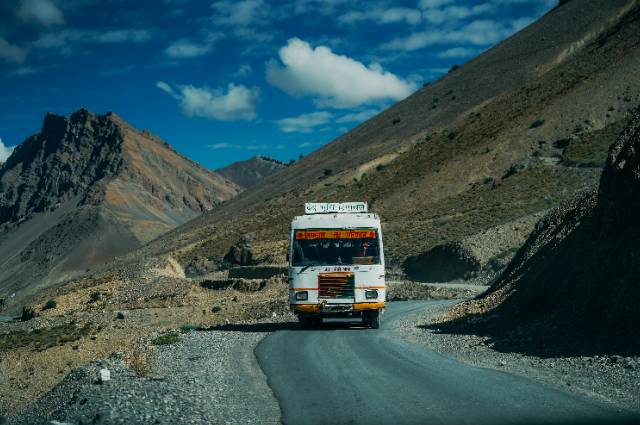
For countless Indian students, the "Manali Expedition" is more than just a school field trip—it is a cultural milestone. It represents that brief, intoxicating window of teenage independence, framed by snow-capped peaks and steaming cups of roadside noodles. Schools champion these ventures with sophisticated marketing, promising "holistic growth" and "luxury experiential learning." Parents, trusting the institution’s prestige, gladly pay premium prices, believing they are securing a comfortable, safe, and exclusive experience for their children.
However, beneath the glossy surface lies a nagging, systemic hypocrisy known as the "Manali Paradox." It is the stark, often frightening divide between the high-end educational branding promised in brochures and the gritty, unregulated reality of the transportation used to navigate the perilous Himalayan roads.
The Marketing Mirage
When a prestigious institution promotes a mountain getaway, the pitch is engineered to perfection. The itinerary is saturated with high-value vocabulary: "expert-led wilderness treks," "curated gourmet dining," and "secure, premium accommodations." The focus is almost exclusively on the destination—the comfort of the five-star resort or the hygiene of the catered buffets.
Parents, eager to provide their children with elite exposure, rarely scrutinize the logistics. They operate on the assumption that if the school charges a premium for academic instruction, they would never compromise on the most critical element: the journey itself.
The Transit Gap
The reality, however, often crashes into view the moment students board the bus. The "luxury fleet" described in parent-teacher meetings frequently turns out to be a patchwork of third-party, local contractors. These vehicles are often tired, neglected relics of a transit syndicate, lacking the specialized maintenance required for high-altitude, cliff-side driving.
The drivers, while local experts, are often pushed to the brink, managing grueling 14-hour shifts across the treacherous Chandigarh-Manali corridor. This is the heart of the paradox: Why does the "premium" label vanish the moment the bus pulls away from the school gate?
The industry relies on a convenient "outsourcing model." Schools, masters of the classroom but novices in transport, delegate the travel to the cheapest available vendor to shed liability. In this gap, safety is sacrificed for profit margins. Worn tires, failing brakes, and non-functional seatbelts become the invisible price of an "exclusive" trip.
The Cost of Negligence
Beyond the physical risk, there is a psychological toll. Children, expecting a curated luxury experience, are instead hit with the anxiety of dangerous transit—the smell of diesel, the strain of a bus struggling on a hair-pin bend, and the visible wear and tear of the vehicle. By treating transport as an afterthought, schools teach a cynical lesson: that safety is an optional expense, provided the view from the hotel is spectacular enough.
A Call for Change
The Manali Paradox persists because educational excursions exist in a regulatory "no-man's land." To fix this, schools must move beyond the veil of third-party contracts:
- Vetted Ownership: Schools should mandate rigid safety audits for any transport provider, ensuring vehicle health meets modern international standards, not just local minimums.
- Financial Transparency: Parents should demand to know what percentage of their fees is actually allocated to safe transportation versus administrative markup.
- The "Safety Marshal" Requirement: Every excursion should have a dedicated transport supervisor—a professional separate from the teaching staff—responsible solely for road safety and driver management.
The journey to the mountains should be an extension of the learning process, not a test of endurance. We must stop prioritizing the "prestige" of the trip over the mechanics of how our children travel. It is time for institutions to look past the scenic clouds and ensure they are checking the tires. After all, if a school’s primary duty is to care for its students, that duty must apply to the road as much as it does to the classroom.
References:
- Ministry of Road Transport and Highways (India): Review the latest road safety regulations and passenger transport guidelines.
- Safe Kids Worldwide: Provides global research on child passenger safety and institutional transport standards.
- Himalayan Road Safety Concerns: Look for investigative reports by platforms like Down To Earth that frequently highlight the risks of unregulated tourism and transport infrastructure in the Himalayas.
- Central Board of Secondary Education (CBSE) Guidelines: Consult the official circulars regarding school excursion safety and the obligations of school management teams.