
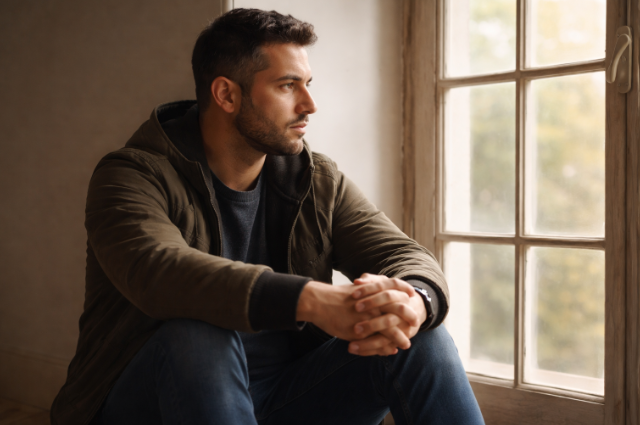
The idea of what it means to be a man has changed a lot over time. People still often think that a man’s identity is closely tied to his ability to have children. In a lot of places, being a man is still about being strong and able to have kids to carry on the family name. When a man finds out he is infertile, it can be really tough for him to deal with. It is not about the physical part; it makes him question who he is as a man and what his purpose is. The concept of masculinity is still closely tied to the idea of being able to have children. When that is taken away, it can be very hard for a man to come to terms with. The diagnosis of infertility affects the man’s sense of self-worth. Makes him wonder if he is still a real man. Now people are starting to think differently about what it means to be a man. They think that being a man or "Mardangi" is not about being strong and quiet, but about being brave enough to show your emotions. When we stop thinking that men have to be tough all the time, we see that the real strength of a man is being able to admit when he's not perfect and being honest about who he is. This means that men can make their own rules about what it means to be a good father and a good man instead of following what others say.
This withdrawal is what some men do when they feel like they are losing their status. You see, people usually think a real man is someone who can control what happens to his body and his life. When a man is infertile, he loses that control. It makes him feel vulnerable, which is something a lot of men try to avoid in their lives. The idea of "New Mardangi" starts here, where men have to deal with this loss of control and vulnerability that comes with infertility, and the "New Mardangi" is all about how men can learn to live with this new reality. Being strong does not mean you are not vulnerable. It means you can be vulnerable and still know who you are. When a man talks about his pain, his fear that he's not good enough, and his sadness about something that did not work out, that is a very brave thing to do. The man is being brave because he is talking about things that he might have been taught to keep inside. He is stopping a pattern that has been going on for a time, where men do not talk about their feelings and end up feeling ashamed and alone. This is what strength really looks like for men: being able to be vulnerable and honest about their emotions, like sadness and fear, and still be themselves.
The way to become a kind of strong man is to think about what it means to be a father in a completely different way. People usually say that being a father is about having a child that's yours by birth. The truth is, being a father is about what you do. It is about taking care of a child, teaching them things, and being there for them. If a man decides to have a child using medical help, or if he decides to adopt a child, or if he chooses not to have kids at all, he can still be a good man and live a life that is meaningful and makes him feel like a man. Fatherhood is about the things you do as a father, about having a child. Being open to ways of having a family shows that a man can deal with tough situations. It means he is willing to change and not let one medical issue define him. This ability to change is what makes a man strong and confident today. He knows that what he leaves behind is not about his children but about the difference he makes in the world. The vulnerability required to accept paths to parenthood is a big part of this. It is a sign of a man who understands that his legacy is built through his influence on the world, not his genetic material, his family, and the people around him. Alternative paths to parenthood are a deal.
The medical community and society at large must also do their part to help bring about this New Mardangi. We need to make sure there are places where men feel comfortable talking about their health without worrying about what others will think.
The shift towards being vulnerable is really good for men and their families. Men who are okay with being vulnerable can handle the things in life better. They can also connect with people on a level and bounce back from hard times. Going through infertility is very tough. It can actually help men become better versions of themselves. It makes them look at themselves in a way and can lead to a more real and honest kind of manhood. The journey of infertility can be very painful. It can also be a chance for men to learn and grow. Vulnerable men are better at dealing with stress. Can have stronger relationships with their families. The New Mardangi is really about being strong as a person. It is about being brave enough not be perfect. The New Mardangi is also about being wise and knowing that your worth as a person does not change. The New Mardangi is about knowing that you are worth something, no matter what.
We should be happy for the men who're brave enough to talk about their problems. These men are not people who do not feel anything; they are people who feel a lot. They still choose to be strong and say what they think. When it comes to infertility, being open about your feelings is not something that makes you weak; it is actually something that makes you very strong. Men who deal with infertility are brave because they are willing to talk about it and be honest about how they feel. Infertility is a thing to go through, and these men are showing that they are strong by being open and honest. It is the power to redefine oneself, to support one's partner, and to build a life based on truth rather than performance. In doing so, men don't just survive an infertility diagnosis—they emerge from it with a deeper, more profound understanding of what it truly means to be a man.
References
- https://journalhosting.ucalgary.ca
- https://www.inovifertility.com
- https://www.fertilityoutloud.com
- https://www.researchgate.net