
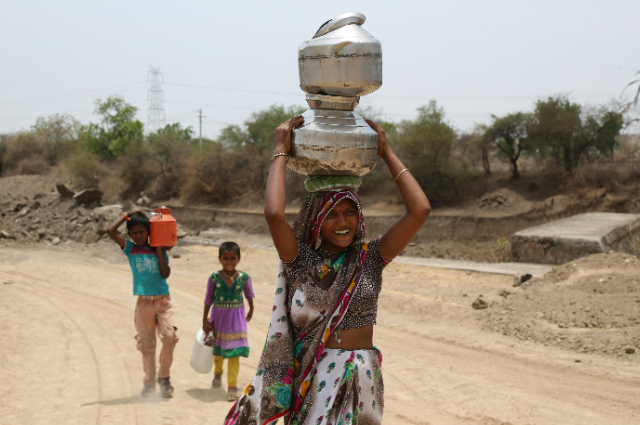
Indore, a city that has been the cleanest city since 2016, is currently undergoing a water contamination crisis, which has resulted in the massive outbreak of waterborne diseases, specifically gastroenteritis, which involves severe vomiting and diarrhoea. According to the World Health Organisation (WHO), the consumption of unsafe water can lead to diseases like bacterial gastroenteritis, cholera, typhoid and dysentery, which contribute to deaths and illnesses in vulnerable populations.
The contamination started in the middle of December in Bhagirathpura. The residents noticed that their two water supplies looked discoloured and smelled foul; they complained to the civic authorities, but no effective action was taken. On Dec 27 2025, the first set of illnesses was reported, with over 2,000 people having fallen ill to date. There have been about seven to ten deaths, including a six-month-old infant. There have been more than 150 patients who have been admitted to government and private hospitals, and 30 people are confirmed to be in serious condition.
This outbreak brought into light the importance of safe drinking water systems and watchful monitoring.
The investigation done by Indore Municipal Corporation (IMC revealed infrastructure lapses. There was a leakage in the main drinking water pipeline, which was directly beneath a toilet at the police check post. The toilet didn't have a septic/safety tank, which allowed the direct leakage into the breached water. Internal documents revealed that a tender for a new supply line in Bhagirathpura but it was stalled for a year, awaiting funds under the AMRUT scheme. The work was started on December 30 2025, after the deaths occurred. The Madhya Pradesh High Court intervened and asked the IMC and the state to ensure an immediate clean water supply and free medical treatment to the affected. The Chief Minister announced an ex gratia of 2 lakhs for the families of the deceased. The officers in charge have been held responsible; a PHE-in-charge sub-inspector has been dismissed, an assistant engineer and a zonal officer have been suspended.
A three-member committee, headed by an IAS officer, is conducting a high-level probe.
This incident raises uncomfortable questions about governance, accountability and urban planning.
How did a city that has been awarded the cleanest city since 2017 face such a fundamental failure?
Why was the issue not taken care of at first sight of it?
Why were the early warnings ignored?
Why was effective action only taken after deaths occurred?
References
- °Indore Contaminated Water Crisis Explained: What Went Wrong And How To Stay Safe https://share.google
- °Source: The Indian Express https://share.google
- °Source: Hindustan Times https://share.google
- °Our Achivement https://share.google