
India prides itself on being a land of “unity in diversity.” Pluralism is celebrated as the soul of the nation, appearing in school textbooks and political speeches alike. Yet, there is a darker side: diversity is often embraced in theory but opposed in practice. Citizens who do not conform to dominant visual, linguistic, or cultural norms are frequently treated as outsiders—they are interrogated, stereotyped, and sometimes even physically expelled.
One of the most affected groups is the people from Northeast India. Despite being constitutionally equal citizens, they endure racial slurs, mockery, and suspicion in mainland India. Their Indianness is constantly questioned—not on paper, but through the tone of conversation, the features of their faces, or their accents. These microaggressions, often dismissed as harmless or humorous, are anything but innocuous. History shows that unchecked prejudice rarely stays verbal; it escalates.
The tragic death of Anjel Chakma, a 24-year-old MBA student from Tripura, is not an isolated incident. It represents the culmination of decades of social denial—an intersection where casually tolerated racism turns lethal.
Structural Racism and the Northeast: An Invisible Crisis
Racism in India is rarely recognised because it does not fit neatly into the caste or religious hierarchies. Yet, discrimination against Northeastern communities has existed for
decades, often normalised and subtle. People from Tripura, Manipur, Nagaland, Mizoram, and Arunachal Pradesh are routinely labelled as Chinese, foreigners, or outsiders, reinforcing the perception that they do not truly belong.
Civil society organisations and student unions have documented such prejudice repeatedly. Northeasterners are frequently denied housing, discriminated against in workplaces, harassed verbally in public spaces, and sometimes physically attacked. These incidents are often treated as isolated crimes rather than part of a systemic issue. The absence of specific anti-racism or hate-crime legislation means cases are interpreted in isolation, often blaming victims and masking institutional bias.
Data supports this reality. Research by the Centre for Research on Discrimination and Exclusion in 2022 found that over 75% of surveyed Northeastern residents reported experiencing racial slurs or discrimination in major Indian cities. Similarly, the North East Students Organisation records dozens of racially motivated attacks each year, with many more unreported due to fear, ignorance, or distrust of law enforcement. These statistics underscore that racial antagonism is systemic, not sporadic, and that violence gains legitimacy when institutions fail to recognise or address it.
The Incident: From Dehumanisation to Death
On December 9, 2025, Anjel Chakma went shopping with his younger brother Michael in the Selaqui neighbourhood of Dehradun, Uttarakhand. Verbal harassment quickly escalated into violence. Eyewitnesses and media reports indicate that a crowd directed racial insults at the brothers, mocking their appearance and questioning their nationality.
When Anjel insisted he was Indian, not Chinese, the situation turned brutal. He was attacked with rods and a knife, sustaining devastating head and spinal injuries. He fought for his life for seventeen days before succumbing to his injuries on December 26, 2025.
This was not an accidental street fight. It represented the extreme consequences of racial dehumanization the belief that some lives are expendable, while others deserve protection and dignity.
State Response: Justice or Damage Control?
Following nationwide outrage, the Uttarakhand Police arrested five individuals, including two minors. A Special Investigation Team was formed, and the National Human Rights Commission asked the state government to report on the safety of Northeastern students.
On paper, the response seemed swift. But controversy emerged when officials claimed there was no conclusive evidence of a racial motive, citing the FIR’s lack of explicit slurs and the accused’s backgrounds as justification. Activists, families, and student groups criticised this stance, highlighting a systemic reluctance to acknowledge racism unless it is explicitly documented, a near-impossible standard in violent attacks.
This cynicism reflects a broader pattern: racial aspects are often downplayed, allowing authorities to evade accountability and delaying structural reform.
Legal Vacuum: Why India Fails Its Margins
India lacks comprehensive hate-crime legislation. While laws address murder and physical assault, crimes motivated by racial or ethnic hatred remain unrecognised, leaving significant gaps.
Without legally recognised motives, patterns of racial violence become invisible. Prevention fails, and the social harm of hate-driven acts remains unaddressed.
In response to Anjel Chakma’s death, a Public Interest Litigation was filed in the Supreme Court seeking recognition of racially motivated discrimination and violence as distinct crimes, akin to hate-crime laws in other democracies. The petition cited precedents, including the 2014 killing of Nido Tania, highlighting the persistent threat faced by Northeastern youth. Without such legal recognition, justice remains symbolic rather than substantive.
National Reaction: Grief, Protest, and Moral Reckoning
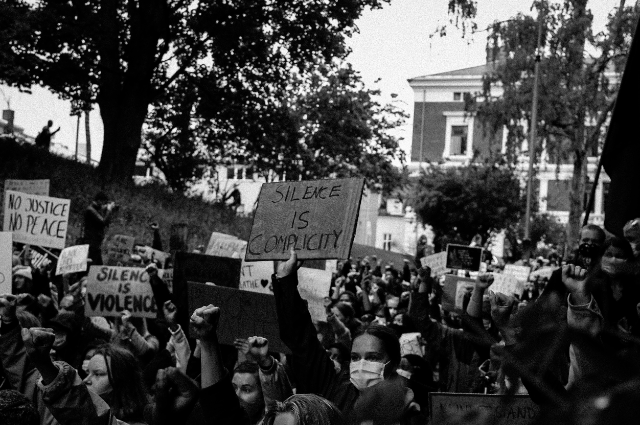
Anjel Chakma’s death sparked widespread protests across Tripura, Assam, and other Northeastern states. Student organisations, including the North East Students Organisation, demanded stronger protections and institutional safeguards for Northeastern students living outside their home states. The protests reflected not just grief but years of accumulated anger and frustration.
Politicians across parties condemned the murder as a national shame. Social media campaigns, such as #JusticeForAnjelChakma, amplified voices often ignored in mainstream discourse. Yet the broader truth remains: racism is real in India, and its consequences can be deadly.
Beyond One Death: What Anjel Chakma Represents
Anjel Chakma was more than a victim of violence; he symbolised the hopes and vulnerabilities of thousands of Northeastern youths who travel across India seeking education and opportunity. His death exposes uncomfortable truths: belonging in India is conditional, racial discrimination is culturally normalised, and institutions often prioritise stories over victims. Ignoring these realities risks repeating past tragedies.
A Test India Cannot Afford to Fail
The murder of Anjel Chakma is not merely a criminal case—it is a moral indictment of the state. It forces an uncomfortable question: who is considered truly Indian?
When citizenship is judged by appearance, when dignity must constantly be asserted, and when justice hesitates to name racism, equality exists only on paper. Real nationalism is demonstrated not through slogans or symbols, but in the defence of the most vulnerable.
Unless India confronts racial prejudice through legal reform, institutional integrity, and societal introspection, tragedies like Anjel Chakma’s will not remain exceptions. Justice for Anjel is not only about punishment; it is about reform, reflection, and the courage to confront uncomfortable truths.
References
- India Today. (2025, December 30). Declare racial slurs a hate crime, plea in the Supreme Court after Tripura student Anjel Chakma’s death. https://www.indiatoday.in
- LawBeat. (2025). PIL in Supreme Court seeks hate crime guidelines after Anjel Chakma murder. https://www.lawbeat.in
- New Indian Express. (2025, December 30). NESO demands anti-racism law after Tripura student’s killing. https://www.newindianexpress.com
- Outlook India. (2025). Anjel Chakma’s murder sparks nationwide outrage over racial violence. https://www.outlookindia.com
- The Hindu. (2025, December 27). Tripura student Anjel Chakma’s death was a horrific hate crime. https://www.thehindu.com
- Times of India. (2025). Family questions police denial of racial motive in Anjel Chakma case. https://timesofindia.indiatimes.com
- Wikipedia contributors. (2025). Lynching of Anjel Chakma. Wikipedia. https://en.wikipedia.org
- Economic Times. (2025). Angel Chakma dies after alleged assault in Dehradun [Video]. YouTube. https://www.youtube.com
- Centre for Research on Discrimination and Exclusion. (2022). Experiences of racial discrimination among Northeastern communities in Indian cities [Google Report].