
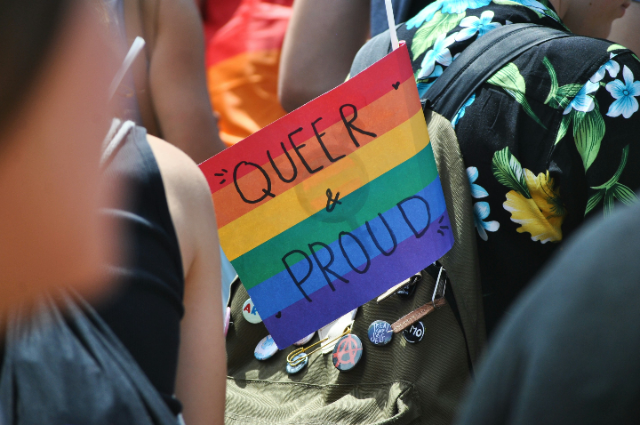
Words Carry Power
Language determines the manner in which individuals are classified, understood, and treated in society. There is no better word to depict this than queer. In modern days, it is common in its usage as an umbrella term for sexual and gender variations. But this meaning is a product of long, disputable evolution. Queer has passed through a number of stages in history, as an unemotional label, an offensive slur, an activist identity, and an academic conceptualization.
The analysis of this change shows how the oppressed groups can flip this language to work against them and make a weapon a shield of identity and power. The history of queer is not just a tale of language, but also a record of social behavior, activism, and the current battle to be equal. The conceptualization of this evolution offers a deeper look at how the words have a cultural and political power and how they affect the people and their state of mind and identity as a group or as an individual.
A Strange Beginning: Queer Before Sexuality
The word queer was used in English in the early sixteenth century as a translation of a German word, quer, which means “oblique” or “askew”. Initial application spelt out queer as something “strange”, “odd”, or “peculiar” without either moral or sexual implications. The term was frequently employed in the literature of the sixteenth and seventeenth centuries to indicate the peculiar banishment, unexpectedness, or transgression neutrally and descriptively. As an illustration, the queer used by writers of this era to refer to subverted structure or weird social practices proves that the original meaning of the word never had anything to do with sex.
By the eighteenth century, the expression had also been used to mean physical discomfort or emotional discomfort, like being “queer” or feeling unwell. Queer at this point was considered a language designation of otherness and not deviance. It showcased the abnormal, the uncomfortable, or the unexpected, but has not inherited moral judgments or social implications it would come to possess (Oxford University Press, 2018). This initial stage forms the basis of the arguments on the use of words to mean a completely different thing in various social settings and cultural fears.
Describer to Insult: The Late Nineteenth Century Turn
The relationship between queer and sexuality was developed in the late nineteenth century, during which people morally questioned their sexual conduct. Victorian morality was such a strong influence on the social norms of those times that it paid much attention to conformity and controlling personal life. Any sexual behavior that did not conform to the norms of heterosexuality was heavily stigmatized, and language was one of the means of imposing these social orientations.
The semantic transformation was central in the trials of Oscar Wilde that took place in 1895. Wilde, a renowned literary genius, was charged with “gross indecency” on a sexual basis. Newspapers and letters kept referring to him as the term queer that was used together with the words’ immorality and deviance. Media repetition solidified the reference of queer as a derogatory label, which is part of a larger societal policing of sexuality and social enforcement of norms (The National Archives, 2022). This era shows how these words, which previously were so neutral, could be used as weapons when added to moral judgment and prosecution by law.
Case Study 1: Oscar Wilde Trial (1895)
One of the documented cases of the weaponization of queer is the trial of Oscar Wilde. Same-sex relations were criminalized, and Wilde was prosecuted as such; the coverage of the trial in the media used the word " queer repeatedly in a derogatory manner. The phrase was linked to social disgrace, social alienation, and legal hazard.
The case demonstrates the interaction of language and social and legal systems. Naming Wilde queer, newspapers not only defined this character, but also attempted to influence the thoughts of the people, strengthening homophobia and the norms of society. It shows how language may give the law and even social opinion an added force, and make a neutral word a weapon of marginalization.
Case Study 2: Queer Nation and Activist Reclamation (1990s)
The second case is that of the formation of Queer Nation in 1990. The use of the term queer is reasserted with intentionality due to the stigma surrounding the term by this activist organization to make oneself seen. Their distinguishing motto, “We are here. We’re queer. Get used to it, which was presented in the mass protests, in campaigns in the media, and in educational campaigns.
The activism in Queer Nation was that of the post-Stonewall movement and AIDS crisis in the 1980s and 1990s. The activists tried not only to protest against the systemic discrimination and the ignorance towards the AIDS epidemic, but also to change the language itself. Making queer their own, they disempowered it as a harm and reclaimed the meaning of it as a sign of unity, pride, and resistance and solidarity. The case study underlines the symbolic and strategic strength of the language reclaiming and shows how the activist communities can redefine social language (Queer Nation, 2024).
Case Study 3: Queer in Academia
Another actual instance of reclamation is the adoption of queer into academic circles. Queer theory was, as well, the 1990s brainchild of scholars like Judith Butler and Eve Kosofsky Sedgwick as a tool of demystifying the strict norms of gender and sexuality. In this context, queer is not associated with one identity, but is a theoretical construct used to explore social constructs, fluidity, and heteronormativity.
Schools and academic institutions started to offer classes and do research specifically on queer theory, and this made this term acceptable in formal education and in scholarly literature. Such scholarly adoption is an example of how a term previously associated with stigma can become an intellectual source of power, shaping the content of the curriculum and popular culture in general. Through the process of institutionalization, the term queer was made solid as a validity category of analysis and identity, and one can testify to it actually being used in the real world outside of activist provisions.
A Contemporary Umbrella Name and Its Tensions to this Day
Queer is nowadays used as a blanket term to describe a broad array of sexual and gender identities. It is especially widespread in younger generations who might find such traditional labels as gay, lesbian, or bisexual limiting. Studies suggest that 5 to 20 percent of non-heterosexual people consider themselves to be queer, and around every four LGBTQ+ people, one of them is reported to have experienced discrimination about the word (ScienceDirect, 2022).
Tensions exist even though it has been widely adopted. The term still causes trauma to many who have been mainly subjected to queer as an insult. This two-sidedness puts emphasis on the context, the perception of the audience, and their use with deference, especially in business, educational, and corporate contexts. The dynamics are necessary to understand in both individual and institutional communication.
Power, Reclamation, and Language
The history of the word queer illustrates how language can both harm and empower. What was once a violent slur has been reclaimed as a symbol of identity and resistance within feminist and academic circles, as well as among activist communities. The word now reflects broader issues of recognition, identity, and equality.
Its development has shown that the language can be re-created by the marginalized groups and, in the process, the cultural perception can be affected. Nowadays, queer is used as a protective sign and a declaration, as it reminds society of the revolutionary nature of words and the constant collaboration of language, culture, and activism.
References
- Oxford University Press. (2018). From “odd” to reclaiming the word queer. https://blog.oup.com
- The National Archives. (2022). Queer history: A history of the word queer. https://blog.nationalarchives.gov.uk
- Medical News Today. (2022). What does queer mean?. https://www.medicalnewstoday.com
- Queer Nation. (2024). In Wikipedia. https://en.wikipedia.org
- ScienceDirect. (2022). Contemporary perspectives on queer identity and stigma. https://www.sciencedirect.com