
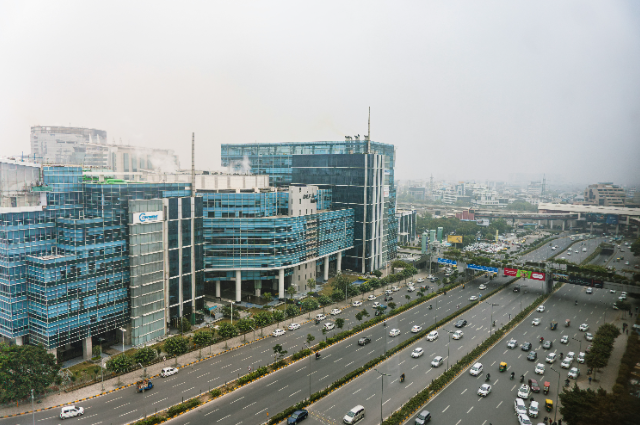
In the sweltering heat of Mumbai's monsoons or Delhi's biting winter fog, have you ever wondered why our gleaming skyscrapers look like cookie-cutter imports from colder climes? These "glass box" cities—towering facades of reflective glass and steel dominate skylines from Bandra to Bengaluru. Yet, they trap heat like ovens in summer and leak warmth like sieves in winter. Why did we abandon buildings tuned to local weather for these shiny, climate-blind giants?
The story begins in the mid-20th century, post-World War II. Architects like Ludwig Mies van der Rohe championed the International Style: sleek, minimalist boxes of glass and concrete. The idea? Modernism for a modern world universal, efficient, and symbolic of progress. No frills, no local tweaks. Le Corbusier's "machine for living" became the blueprint, ignoring that India's tropical humidity demands thick walls and shaded verandas, not sun-baked glass walls.
Globalisation sealed the deal. By the 1970s, oil crises made cheap air-conditioning king. Why design for passive cooling courtyards, jaali screens, or sloping roofs when AC could brute-force comfort? In India, economic liberalisation in the 1990s turbocharged this. Foreign architects and developers flooded in, aping Dubai or Singapore. Mumbai's Bandra-Kurla Complex sprouted glass towers that guzzle 40% more energy than traditional designs, per a 2022 TERI study. Delhi's glass-heavy Aerocity fights 45°C summers with relentless cooling, spiking carbon emissions.
Economics trumped ecology. Glass facades scream "luxury"; they're quick to build, using prefab panels, slashing costs by 20-30%. Local materials like laterite stone or thatch? Too "rustic" for global investors chasing FDI. Zoning laws in cities like Chennai prioritise height over harmony, forcing uniform high-rises. A 2023 CPREIT report notes India's urban buildings now consume 40% of national electricity, much wasted on fighting climates they ignore.
The fallout is stark. In Ahmedabad's brutal summers, glass boxes turn offices into saunas, driving up heat islands urban temperatures 4-5°C hotter than rural areas, worsening health woes like heatstroke. Bengaluru's "garden city" dream? Shattered by reflective towers that blind pilots and bake streets. Environmentally, it's a disaster: glass high-rises emit 50% more CO2 lifecycle-wise than climate-responsive designs, per UN-Habitat data.
Yet, hope flickers. Vernacular revival is stirring. Auroville's solar-conscious buildings blend mud walls with modern tech, slashing energy use by 70%. Kerala's Clive Munn Design uses local bamboo and overhangs for monsoon-proof homes. Policies like the National Mission on Sustainable Habitat push green norms, but enforcement lags. Cities like Pune now mandate 30% shaded facades in new builds.
It's time to rethink. Glass boxes may dazzle, but they drain our planet and pockets. India, with its monsoon rhythms and desert swings, needs architecture that breathes with the weather—not against it. Will our cities learn before the heatwaves win?
References