
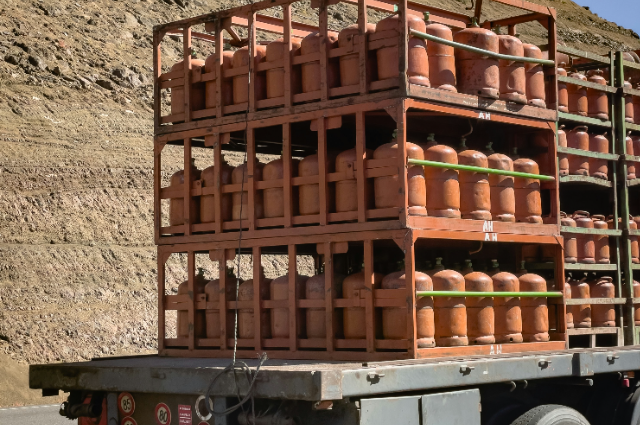
Liquefied Petroleum Gas (LPG) powers kitchens across India, from bustling restaurants to modest homes. But since March 2026, a severe shortage has gripped the nation, triggered by the Iran–Israel conflict closing the Strait of Hormuz. This chokepoint handles over 80% of India's LPG imports—around 25 million tonnes yearly, mostly from the Middle East. The economic fallout? Skyrocketing prices, shuttered eateries, and panic buying. Here's the economic backstory and why costs have exploded.
India consumes over 28 million tonnes of LPG annually, with domestic production covering just 40–50%. The rest comes in via sea routes, making the country hostage to global energy markets. Before the crisis, steady Middle East supplies kept prices stable—subsidised household cylinders at around ₹800–900 for 14.2 kg, and commercial ones at ₹1,600–2,000.
The Strait of Hormuz blockade slashed imports overnight. Shipping reroutes around Africa add 10–15 days and thousands of dollars per tanker in fuel and insurance costs. Freight rates have tripled, from $50,000 to over $150,000 per voyage, according to industry estimates. This supply crunch hit just as peak summer demand rose 10–15% for cooking and cooling.
Factors Driving the Price Spike
Several interlocking economic pressures have fueled the hike:
- Supply disruption and scarcity: With Hormuz closed, immediate stocks dwindled. Black-market premiums emerged—commercial cylinders jumped from ₹1,600 to ₹3,000 in Mumbai, and up to ₹6,000 in Andheri. Households face 2–8 day delivery delays, prompting panic hoarding and further scarcity.
- Global energy market volatility: Oil-linked LPG prices track Brent crude, which spiked 20–30% post-conflict. Transportation costs alone added ₹50–100 per cylinder. Commercial users, who are unsubsidized, bear the full brunt—₹110+ hikes officially, with street prices often double that.
- Currency and import cost pressures: The rupee weakened 5% against the dollar amid war fears, inflating import bills by about ₹10,000 crore annually. Alternative suppliers like the US, Norway, and Russia charge 15–20% premiums for spot cargoes.
- Domestic bottlenecks and demand surge: Refineries have maxed out output (up 10%), but distribution lags. Booking cycles stretched to 25 days, starving commercial sectors of supply. Eateries in Delhi, Bengaluru, and Mumbai curtailed menus or shut down—around 20% in Delhi alone—while electric stove sales boomed.
On March 6, invoking the Essential Commodities Act, prioritised domestic supply. Imports from non-Hormuz sources rose 70%, and officials claim stocks now provide a 12–16 week buffer. Subsidies are holding household prices, but commercial users are footing the bill—adding ₹5,000–10,000 in monthly costs per outlet. Alternatives like biomass or kerosene have been greenlit, yet adoption lags due to pollution norms and higher operating costs.
Economically, this strains India's roughly $600 billion oil import bill, widens the current account deficit, and risks a 0.5–1% GDP drag from food inflation (10–15% in cooking fuels). PM Modi has vowed that there will be no impact on the aam aadmi, but the ground reality—closed canteens, hostel meal cuts, and ₹60 hikes—paints a grimmer picture.
The crisis underscores India's energy insecurity. Long-term fixes like expanding domestic refining capacity or boosting renewables could shield the country against such shocks, but for now, households and hotels are counting on cylinders amid deep uncertainty.
Reference: