
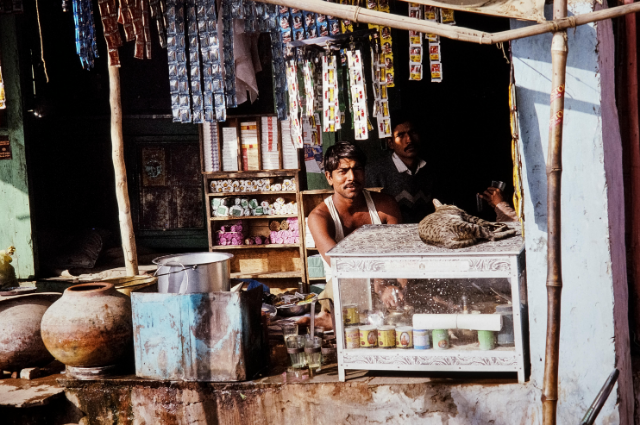
In the dusty villages of rural India, where daily wages barely stretch to three meals, a grim irony unfolds: the poorest 40% of households—those scraping by on the thinnest margins—dṄḤevour more tobacco than anyone else. Forget textbooks or protein-rich dal; these families funnel 4% of their spending into gutka and smokes, dwarfing the measly 2.5% they spare for education. This isn't anecdote—it's a cold fact from the government's own Household Consumption and Expenditure Survey (HCES) 2023-24.
Picture a labourer in Bihar's fields, back-breaking under the sun, popping a ₹5 gutka sachet to kill hunger pangs during a 12-hour shift. It's not just addiction; it's survival math gone wrong. Redirect that tobacco cash to food, and one or two kids could gain over 500 extra calories a day. Instead, tobacco claims lives and futures, fueling 13 lakh deaths yearly from cancers, COPD, and heart disease, per the Ministry of Health.
Gutka's takeover is explosive. Rural consumption has surged sixfold, from 5.3% to 30.4% of households, now gobbling 41% of all rural tobacco spend. Central India bears the brunt: rural Madhya Pradesh sees over 60% of homes hooked, Uttar Pradesh tops 50%, with Bihar, Chhattisgarh, and Rajasthan close behind. These aren't rich suburbs; they're poverty pockets where gutka stalls dot every corner.
Over a decade, the damage deepens. Inflation-adjusted, rural tobacco spend jumped 58%; urban, 77%. Tobacco users swelled from 9.9 crore rural homes (59.3%) to 13.3 crore (68.6%)—a 33% leap. Among the bottom 40% income bracket, over 70% smoke or chew; in UP, MP, and Bihar, it's 85%+. The poor spend 1.7% of their income on it, topping the richest 20%'s 1.2%.
Why? For the daily wager or migrant, gutka dulls exhaustion and appetite—cheaper than a full meal. "It keeps me going till evening," one Madhya Pradesh mason told reporters last year. Culture cements it: shared paan at weddings, temple offerings, myths of it freshening breath or easing toothaches. Social bonds form over a pinch, turning vice into ritual.
Health experts rage: every ₹100 in tobacco tax burdens society with ₹816 in illness costs. Yet households don't pivot savings to rice or school fees as incomes nudge up. Nutrition drives like Poshan Abhiyaan compete with this budget black hole, silos intact.
Remember the 2012 gutka ban? Manufacturers dodged it with "twin sachets"—pan masala in one, tobacco in another, mixed by the buyer. The Supreme Court slammed this in 2016, but a decade on, it's business as usual. Enforcement? Spotty at best, with paan shops flouting rules openly.
Government healthcare cushions the blow—free treatment masks the personal toll, letting addiction fester without full reckoning.
This isn't just health policy; it's economic sabotage. Tobacco locks families in poverty, starving kids' brains and bodies, while fattening illness stats. Time for integrated fixes: stricter sachet raids, awareness in local tongues, tying gutka to empty plates, and cash transfers ring-fenced for food over fixes. Without confronting this tangle of want, culture, and lax laws, rural India's poorest will keep choosing poison over progress.
India deserves better than watching its backbone chew itself hollow.
References:
- Down To Earth https://share.google
- ThePrint https://share.google
- Zerodha https://share.google