
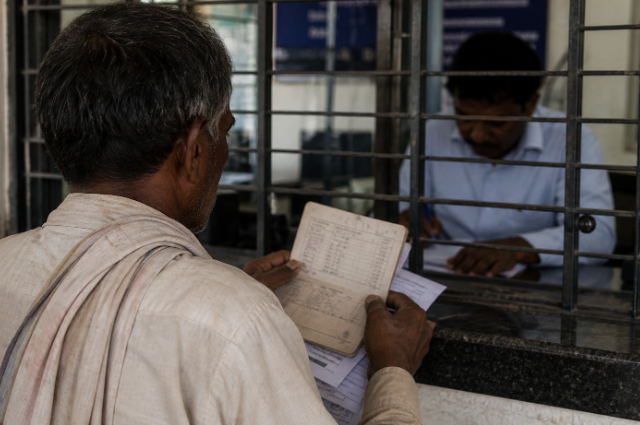
A cry broke the silence in Keonjhar, where a man’s last act laid bare what many endure unseen. Not far from help, yet miles from understanding, he met a fate shaped by empty promises. Behind quiet doors, banks sometimes forget faces like his even exist. Grief poured into spaces meant for support, only to find hollow routines instead. What happened there speaks louder than policy ever could.
Who Was Involved
Out of nowhere, Jeetu Munda - fifty years old, tribal, living in Dhaniali village - tried pulling out ₹19,400 from his late sister’s bank fund. That sister was Kalra Munda, aged fifty-six, gone since January 26, 2026. With neither husband nor child left behind, she’d moved back to her family’s house before setting up an account at the Maliposi outpost of Odisha Grameen Bank. Deposits flowed in often, saved bit by bit over time.
Why It Happened
Nobody official inherited after Kalra Munda passed - her brother could step in under the law. Still, the bank demanded paperwork showing she was dead, like a certificate. Without reading skills or clear guidance, Jeetu never grasped what needed to be done.
He says a bank employee told him to “bring the account holder.” Understanding those words without question, and only after many tries that led nowhere, he made a drastic choice - dug up his sister's body, carried her bones into the branch.
In his own words: “I went several times, but they wouldn’t give me the money. They said, ‘Let the owner come.’”
The Bank’s Side
Out of nowhere, Jeetu showed up at the bank under the influence, causing chaos on the spot. He left behind bodily remains near the entrance, insisting they hand over money right away. Police got involved after staff raised alarms about the scene unfolding. Turns out, confusion over how claims actually work led to the whole situation - paperwork and proof are needed, the bank later explained. Ending such matters properly means following the steps, not making loud demands in public.
What Happened After
Out in the hills, news spread fast. Right away, the Chief Minister stepped in, along with local officers. People from the government arrived in the faraway hamlet to help relatives. That very afternoon, the Tehsildar worked beside bank staff, getting documents moving - proof of passing, proof of next of kin - all stamped before sunset.
By morning, Jeetu Munda had been given every rupee - ₹19,402 with interest included. Not long after, help arrived from another direction: the Indian Red Cross Society sent ₹20,000 toward burial costs.
Broader Impact
Out in the hills, folks still struggle with basic bank knowledge - that’s what leaders finally admitted. Because of this gap, something went wrong, they said plainly. Mistakes like these won’t just fade away, officials noted, standing firm. Steps are now being taken so workers pay closer attention and act sooner where people live far from cities. A check into how things were handled is already underway, digging deep to see if poor oversight played a role.
Out here, where signals fade and voices get lost, machines keep ticking while folks scramble just to be heard. When numbers rule the room, understanding slips away, leaving confusion in its wake. Someone always ends up waiting too long for answers that should’ve come sooner. Real talk happens only when someone finally listens - not through forms, but face to face. Quiet places deserve loud attention, especially when money talks and nobody knows the words.
Buried too deep isn’t always the body - sometimes it’s the truth. A name on a stone shouldn’t need lifting to get noticed. Silence grows louder when grief has no reply. What rests below deserves more than being stirred by desperation.
References:
- The Indian Express. (2026). “Odisha man digs up sister’s body after bank asks to bring account holder"
- NDTV. (2026). “Man brings sister’s skeleton to bank in Odisha after being denied money.”
- Times of India. (2026). “Keonjhar incident: Tribal man exhumes sister’s body over bank withdrawal issue.”
- Hindustan Times. (2026). “Odisha bank incident highlights lack of awareness in rural areas.”
- Word has come through from the district office in Keonjhar - details confirmed by the rural banking authority of Odisha. While one source outlines administrative updates, the other backs it with financial context on the ground.