
One Tuesday morning in March 2026, Harish Rana's name entered courtroom records under grey skies and hushed voices. Though laws had hinted at mercy before, real change waited until judges finally agreed to stop artificial feeding. A man lay still for years, caught between breaths, his body quiet but alive by machines alone. That week, rulings shifted - not loudly - yet enough to let nature take what medicine held back. While past debates circled theory, this decision stepped into silence beside a hospital bed. What followed was neither applause nor protest, simply the turning off of tubes after careful words were spoken. Dignity, this time, wore no grand speech - just stillness allowed. The court did not invent new law; it opened a door previously sealed by hesitation.
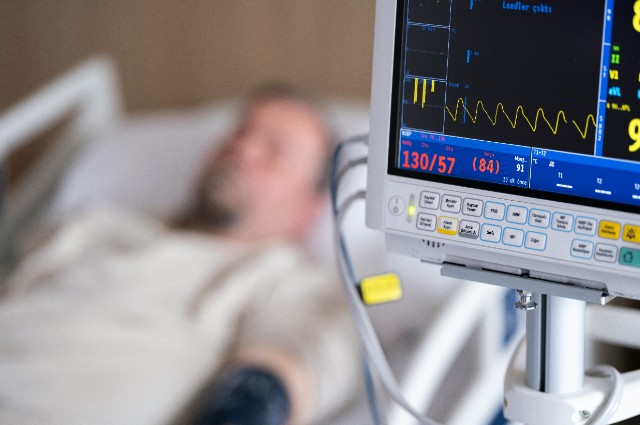
Thirteen years sat heavily on Harish Rana, locked in what doctors call a persistent vegetative state. Wakefulness showed up each day - eyes opening, cycles shifting - but no sign of thought followed. Mind gone dark, yet the body kept ticking like a clock wound long ago. No food passed his lips unless delivered through tubes snaking beneath the skin. Breathing happened, heartbeat continued, though nothing stirred behind the gaze. Awareness vanished completely, leaving only reflexes where personality once lived. Sleep came and went, just like in healthy people, except dreams never touched him. Medical routines replaced every basic act most take for granted. He existed, yes - but not in any way that resembled living. Years folded into one another without change, motionless, silent.
One session after another unfolded through 2025 into 2026, as Rana's parents stood before the highest court. Their request? To stop medical interventions. They believed further care brought nothing but extended pain - no healing, just loss of grace in dying. Judges J.B. Pardiwala and K.V. Viswanathan listened closely, calling the matter deeply sensitive. Life, they noted, isn’t always measured in breaths. Hard questions arose: Where does a person end? When should machines let go? The weight sat heavily, not easily settled by law alone.
A decision came down permitting the stoppage of life-support measures, such as medically delivered food and water, provided certain legal steps were followed. Only after checks and balances confirmed safety did permission take effect.
Law and How It Changed Over Time
India’s position on euthanasia has evolved gradually:
- Ending a person's life through direct action - like giving deadly medication - is still against the law in India. Such acts fall under active euthanasia, where someone intentionally causes death. Though debated, courts have not allowed this practice. Taking steps meant to stop life is treated as unlawful. Administering substances that cause death remains prohibited by current statutes.
- A person can legally receive passive euthanasia, but only when specific rules are followed - a path opened by the Supreme Court's decision in Aruna Shanbaug versus Union of India back in 2011. Later on, more details came out through another ruling that shaped how this choice is handled
In 2018, during Common Cause v. Union of India, judges saw silence around dying as loud enough to act. Dignity near death now fits within life’s meaning, they said. That idea lives under Article 21. What counts as living includes how one leaves it. The ruling quietly reshaped what protection the law offers. A person’s choice at life’s edge gained legal standing. Not because it was dramatic, but because it felt necessary.
- 2023 Supreme Court Guidelines: Simplified procedures for living wills and withdrawal of treatment.
Right now, taking someone off life support means meeting certain legal rules. A doctor must confirm that the patient won’t recover. Someone authorised has to agree in writing. The process needs careful records. Each step follows hospital policy closely.
- Consent via a living will or family decision
One board signed off on it, then another did the same. Their green light came only after separate reviews lined up. Two sets of doctors had to agree before anything moved forward.
- Oversight by a district-level authority
Harish Rana stands out - this was the moment those ideas took real shape. Not theory anymore. A person living years in PVS became the centre of a ruling that didn’t hesitate. Before, there’d been talk. This time, action followed. The decision did not waver. Clarity came through one man’s situation. It shifted how things are seen. Precedent formed quietly, without fanfare. Judges acted where others only debated. Long-standing uncertainty met its match here.
Aruna Shanbaug Case
In 2011, the Aruna Shanbaug case set an important legal example. She worked as a nurse in Mumbai before suffering a violent attack back in 1973. Because of that incident, she stayed alive without awareness for more than four decades. Years later, Pinki Virani, a writer, brought forward a request to allow her to die.
Life went on for Aruna after judges said no to active euthanasia, yet permitted passive forms with tight rules. Curiously, those tending to her at the facility stood against removing artificial support, so she remained alive until 2015.
This moment set the stage for how India would come to accept passive euthanasia under law - yet no medical care was stopped then. Instead, what happened later with Harish Rana showed those rules finally being put into practice.
Living Wills In Today's World
Most folks still skip living wills, even though India allowed them after a 2018 court ruling. Back then, the Common Cause decision made it possible to refuse life support when seriously ill. Yet red tape gets in the way - forms pile up, rules shift. Awareness? Nearly missing. So while choice exists on paper, reality feels distant. Few manage to finish one, lost in confusion more than anything else.
A single name - Harish Rana - brings into view how tangled rules can block people. Clarity might have changed the outcome, maybe even prevented hardship. When systems stay rigid, they tend to leave room for confusion instead of support.
Ethical Dimensions
The case raises profound ethical questions:
- Autonomy vs. Sanctity of Life:
Life might be sustained by machines, yet some believe a person - or those close to them - should choose when that stops. Judges often back personal choice, so long as clear rules are followed.
- Quality of Life:
Few question whether stretched-out years mean richer ones. Life ticks on, yet purpose sometimes lags behind. Longer breaths do not always carry deeper weight. Hours add up, though not necessarily meaning anything. A body stays awake - does the spirit too?
- Role of Family:
Heavy loads - emotional, money-related, ethical - land on families. In long-term PVS situations, their say starts shaping things. When time stretches thin, who they are matters more than expected.
- Medical Responsibility:
Life preservation falls on doctors just as much as easing pain when a cure isn’t possible. What matters most shows up when both duties pull in different directions. Holding back treatment can be right if it only delays what cannot be stopped. A patient's experience weighs more than fixed rules ever capture. Decisions grow clearer when seen through tired eyes near the end.
Comparative Global Perspective
Unlike India, many nations operate with more defined laws.
In the Netherlands, doctors may assist patients in dying - this includes ending life quietly or directly when rules are followed. Meanwhile, across the border in Belgium, similar paths exist, where letting go gently is permitted just as stepping in actively, so long as safeguards hold.
Canada: Permits Medical Assistance in Dying (MAID).
Spain, with tight rules in place, allows euthanasia. New Zealand did the same, but only after strict checks were built into law.
Still, India leans heavily on court-driven rules instead of broad laws. Getting permission for passive euthanasia becomes a maze under such systems, tougher if money is tight. Many say the process trips people up when they need clarity most.
Impact and Significance
The Harish Rana Judgment Marks A Shift
Now it turns abstract laws into something people can actually use.
A fresh look at Article 21 gains weight because of it. One way to see dignity in law shifts slightly here. The meaning stretches a bit further than before. What counts as life under the rule grows more defined through such reasoning. How courts view basic human worth takes on a new shape because of these ideas.
It may prompt legislative action to streamline euthanasia procedures.
A spotlight forms on why people should think ahead about their final medical choices. People start talking more when stories like this appear in the news. What matters gets clearer - planning now can shape what happens later. Attention grows quietly, without fanfare, just real moments sparking reflection. Decisions once avoided come into view as something ordinary folks discuss at dinner or on bus rides.
Challenges Ahead
A few things stand in the way, even though it matters a lot.
Not knowing much about living wills leaves people in the dark. Some folks simply do not realise they have choices when it comes to medical decisions later in life. Without clear information, confusion grows easily. Few understand how these documents actually work. Misinformation spreads fast when details stay hidden. Silence around the topic keeps many from asking questions. Knowing your rights might feel distant when no one talks about it.
When steps pile up, choices get stuck waiting. Slow chains of sign-offs often block quick moves.
Starting off poor can mean a tougher time dealing with courts or doctors. Not having money often leads to confusion when handling paperwork or appointments. Some households find it hard just to get through hospital rules. Getting help sometimes feels impossible without support nearby. Money troubles show up most when laws and clinics feel too complex.
Worries about ethics pop up when choices bend under money or status pushes. Protection steps need to stay strong so outcomes aren’t swayed. Pressure from wealth or connections can twist fairness without clear rules. Keeping decisions clean means blocking outside forces that nudge results. Guarding integrity starts by spotting where influence might sneak in.
Life means more than breath. This moment shows how deeply India grasps personal worth. Not only laws shift - views on choice do too. Dignity shapes what survival truly is. From court ideals to hospital rooms, one truth connects them. Breathing matters less when suffering erases respect. What stands clear now: living well also means ending well. Courts see it. Medicine feels it. A quiet change moves through both.
This moment could spark sharper rules and stronger care standards when people start talking more openly. Hard truths rise - less about breath, more about release.
References:
- Supreme Court of India, Aruna Shanbaug v. Union of India, (2011) 4 SCC 454
- A bench in New Delhi weighed a plea about medical rights. The case carried the name Common Cause against federal authorities. Judges delivered their take in volume five of the Supreme Court Cases. The year of ruling stood at two thousand eighteen. Page one held the start of their written reasons
- Supreme Court Rules for Living Wills and End of Life Decisions 2023
- Indian Journal of Medical Ethics, “Passive Euthanasia and Living Will in India”
- World Health Organisation End of Life Care Guidelines
- Government of Karnataka Recognises Right to Die with Dignity
- Lancet Commission 2017 Global Access Palliative Care Pain Relief
- Harvard Medical School Bioethics Review, “Persistent Vegetative State and Ethical Dilemmas”