
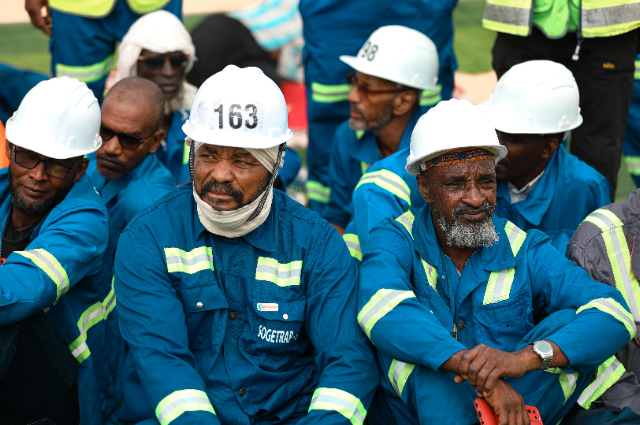
April 2026 brought chaos to Noida, a city once praised for orderly industry expansion across India. A push for better pay sparked fast-moving demonstrations and clashes e soon after. Authorities responded with sweeping detentions, filling jails beyond usual capacity. Yet behind these events lies something steeper - a breakdown built into how the zone was designed. People were left out while machines and metrics took center stage from the start.
Deep inside the unrest sits a pay problem impossible to ignore. People laboring in factories through Noida say they take home only ₹10,000 to ₹15,000 each month - sums frozen in place even while prices climb higher year after year. Rent by itself gobbles up close to fifty per cent of what they earn, leaving little room for meals, medicine, or bus fares. Because of this gap, showing up every day at work does not mean making it through the month without strain.
Wages differ sharply across nearby areas, making things worse. Because of recent changes, people working just over the border in Haryana now get paid much more than those in Noida - close to double, sometimes. That gap didn’t go unnoticed. Those stuck earning less began feeling it was deeply unfair, particularly if they worked for firms also hiring on the other side. Unequal pay like that built up tension quietly at first. Soon enough, matching salaries turned into one main reason crowds gathered to protest.
Still, pay isn’t the whole story behind how deep the anger runs. What keeps companies running in Noida leans almost entirely on short-term hires. Many people employed there never know if they’ll have work tomorrow, get sick leave, or speak up without fear. Stories of extra hours worked but not paid, promises of rewards broken, and missing standard safety nets like retirement savings show flaws built into the system itself. Workers pointed out shifts that stretch twelve hours straight, sometimes more, with little break and less money for it.
What stands out just as much is how institutions fell short. Workers often said factory HR did little, if anything, to help when problems arose. Without clear ways to speak up, frustration built quietly at first. Over time, that quiet turned into something louder, harder to ignore. People took to the streets not because someone told them to, but because there was no one else speaking up. These gatherings had no central figure guiding them - just groups acting on shared discontent. A missing voice in all this was any strong labor group stepping forward. With no unified presence behind the scenes, actions unfolded without structure
How Noida runs its industrial area matters a lot here. Even though rules claim to help businesses grow, what happens on the ground feels far off track. When red tape piles up, small factories struggle - add tight loan access, then owners feel squeezed. That squeeze slips down to laborers through lower pay and tough work settings. Over time, companies and their staff alike wear thin, weakening everything that holds the system together.
April 2026 showed what happens when leaders wait too long to act. Only once streets filled with anger did Uttar Pradesh promise higher pay. Yet, plenty shrugged, calling the new amount barely enough to survive. Trouble was ignored until headlines made silence impossible. Decisions came late - after damage spread, not before pain built up.
Out here, past the numbers and charts, something else is moving. Towns built for factories and output rarely pause to ask who lives inside them. Workers brought in from distant villages keep production running, yet their homes are temporary shelters without stability. Medical care stays out of reach. Savings vanish before crises pass. When prices climb - which they do, steadily - what little safety exists wears thinner each day
Fire set during marches, barriers on roads, fights with officers - these are more than just crimes needing arrests. They signal how faith has cracked among laborers, bosses, and government. Left without voice inside official systems, rebellion turns into speech.
Looking back, the 2026 Noida protests weren’t just a single event - they pointed straight at deeper cracks in how industrial towns operate. Built on cheap pay, short-term jobs, no real worker safeguards, such systems can’t last forever. For Noida to keep drawing industry, it needs change: fairness instead of pressure, stability over uncertainty, respect woven into daily work life. Otherwise, anger will return, stronger every round, harder to ignore.
References:
- Reuters. “India's Uttar Pradesh state raises workers' wages amid protests over pay.” 2026. 12
- The Economic Times. “Low wages, no HR support, rising anger.” 2026. 13
Across different cities, people took to the streets because of growing job concerns - reported by The Economic Times in 2026. Not everyone agreed with how pay and conditions were being handled lately - Times of India. “How wage disparity triggered Noida unrest.” 2026. 15
- Red iff. “Why Noida’s industrial hub erupted in protest.” 2026. 16: Pressure on workers grows when rules change. Policies shift, stress follows. People feel it by 2026. Economic Times Compliance Burden Strain MSMEs 2026. One day past the protest, a report surfaced about broken rules by contractors. The details came out through Times of India in early 2026. Pages marked nineteen held what few were willing to say aloud