
Out of nowhere, Manipur - nestled in northeast India - still wrestles with an old feud splitting ethnic groups apart. Since 2023, flare-ups have come like seasons, never quite fading away. Instead of calming down, things tightened again by April 2026. Peace hangs thin, built on shaky ground where few trust their neighbors anymore.
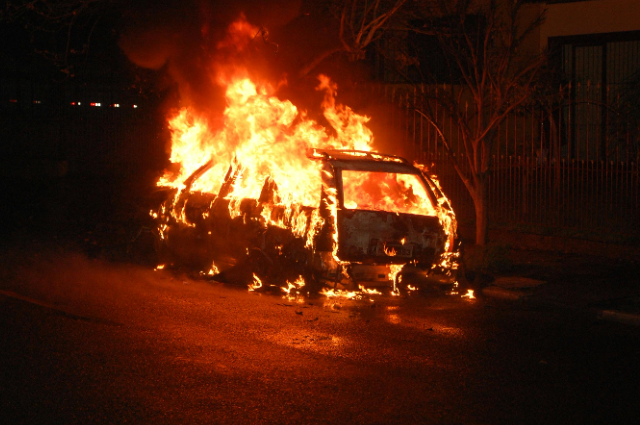
On April 7, 2026, violence flared again after a bomb exploded in Thonglaobi, part of Bishnupur district, killing a woman and her two kids. Outrage spread fast because of that loss, sparking unrest through Imphal and nearby regions. Roads were shut by crowds who also lit oil trucks on fire, along with other vehicles. Anger had been building - this was its raw form, visible in smoke and chaos. Safety worries now run deep, shaping how people react when tragedy strikes.
Out of nowhere, power shifted when signals vanished in parts like Imphal West, Imphal East, Thoubal, Kakching, along with Bishnupur. Mobile networks went dark, so did home internet, satellite links even private tunnels through data - officials claimed it was about slowing false stories before things worsened. Though many say these blackouts keep peace, others point out how voices get muffled just when clarity matters most. Silence spreads differently under digital curfews.
A sudden shot fired during clashes left a BSF officer hurt near Ukhrul. Not far away, in Chandel, troops pulled weapons from hiding after tracking rebel movements. Trouble sparked between armed villagers linked to the Kuki-Zo group and local Tangkhul Naga defenders. Guns found included rifles, ammo, and gear meant for long-term use. Tension grows as violence spreads across rural outposts along the border. What began as local conflict now draws wider military response.
Changes in politics helped form today's situation. When President’s Rule ended, a fresh state government took charge on February 4, 2026. At that point, N. Biren Singh from the BJP resumed his role as Chief Minister. Even with this change at the top, handling daily rule stays tough. During a stop at shelters for displaced people, he faced public scrutiny after visiting one site in Imphal East. There, he spoke with relatives of a murdered child, just seven years old - who suffered assault amid unrest.
Deep down, Manipur's unrest comes from old divides between the valley-based Meitei people and the Kuki-Zo tribes living in nearby hills. Tensions grew as arguments emerged about who controls land, holds power in government, yet also because Meiteis want tribal recognition - something hill communities resist fiercely.
After violence erupted in May 2023, hundreds have died, while thousands fled their homes. Whole villages lie in ruins now, separation held firm by ethnicity. Inside relief camps, displaced families wait - tomorrow unclear. Lives hang suspended, caught in aftermath.
Peace grows slowly where old tensions run deep. Not every solution comes through force - some begin in quiet talks. Where groups feel left out, anger finds room to spread. Instead of quick fixes, steady steps matter more: listening first, acting later. When rules favor one group, others pull away. A different path opens when fairness guides choices. Lasting calm needs patience, not just plans on paper. Trust rebuilds only when actions match words.
By April 2026, tension still holds firm. Though protests flare, outbreaks pop up here and there - yet attempts at peace keep moving alongside them, showing how tangled things really are. When talks stay shallow or leave people out, harm keeps circling back, with ordinary lives caught in its path. Still, without real engagement, the pattern shows little sign of breaking.
References:
- Manipur Government Alerts on Internet Shutdown April 2026
- Manipur Violence 2023 to 2026 Reports from The Hindu and Indian Express
- Home Ministry Updates on Northeast Security
- BBC News Coverage: “Manipur Violence: Ethnic Clashes and Displacement” (2023)
- Human Rights Watch Examines 2023 Ethnic Tensions in Manipur
- Al Jazeera: “India’s Manipur Conflict Explained” (2023)
- NDTV Covers Relief Camps and Politics 2024 to 2026