
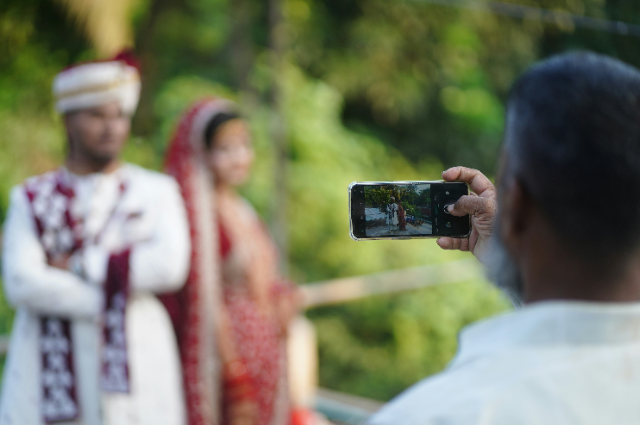
Ceremonies tie people to heritage, feeling, and memory. Not only do they join two lives - they pull together lineages, kinship, shared ways. Now though, especially through apps, such as the sense behind them shifts outward. Once private, meaningful moments grow shaped by screens, edited before sharing. Driven by views and shares, celebrations morph under pressure to impress faraway eyes. An entire economy worth vast sums feeds this change, repackaging rituals as visuals meant to circulate fast.
Deep inside this shift sits fashion playing dress-up as personal story. Weddings shape visuals first - bridal clothes, settings, gestures, feelings - all matched to an image plan. The couple once followed tradition; today they lead something closer to theater. What people wear still means something old - but it must also look right through the lens. Golden-hour light shapes when rituals happen. Still, unplanned-looking scenes usually follow practice runs.
Something like this shows how society keeps changing, shaped more by what we see online. Not just about love, weddings turn into stages for showing off an ideal version of yourself. When everyone chases that flawless look, old customs start feeling less real, turned into products instead. Meaning fades when images matter most.
Picture this: fake weddings popping up just to grab attention online. Come 2022, some well-known faces in places like Mumbai and Delhi pulled off full-blown ceremonies - dresses, flowers, traditions - all set up without a single legal vow exchanged. Behind the scenes? Every detail planned for Reels, sponsor deals humming in the background. Flashy, sure. Yet something feels off when rituals meant to matter turn into photo ops. Where does tradition stop, once the cameras roll? Truth gets fuzzy when likes become the goal.
A different uproar unfolded around lavish star-studded nuptials, like the 2022 event tying and . Even though few outsiders attended, chatter grew - fast - about turning love into a marketable moment. Images slipped out on purpose, sceptics claimed, timed just right to feed attention cycles and polish reputations. Behind closed doors or not, exposure matters more than secrecy once cameras wait beyond the gate.
Most people do not notice how deeply this habit shapes feelings, money choices, and identity. A picture-perfect celebration, polished for social media, weighs heavily on household budgets. In parts of India, research reveals extreme spending, even borrowing, just to keep up with what others think. Chasing moments that might go viral - custom decorations, faraway locations, high-end clothing - keeps pushing costs higher.
Picture-perfect moments at weddings sometimes steal attention from what truly matters inside. Spontaneity fades when pauses happen just to line up a photo. Instead of flowing naturally, feelings get shaped by camera cues. Movements change direction because someone behind the lens says so. Even quiet exchanges between people become lines spoken on command. Realness slips away while everyone aims for flawless frames.
Still, painting this change in only dark colors misses part of the picture. Thanks to online platforms, ideas for weddings now reach far beyond old circles, opening space for fresh takes on age-old customs. Different cultures mixing, eco-friendly events, simpler gatherings - these choices show up more often, nudging aside rigid expectations. A growing number skip the digital spotlight, turning instead toward moments that feel real and personal.
What really matters isn’t social media itself - it’s how showing off can outweigh genuine sharing. Traditions lose depth when they become just visuals. At its heart, a wedding links lives, pasts, and emotions. Too much focus on capturing moments for others weakens what those moments mean.
Truth be told, today’s wedding world dances between style, self, and screens. When old customs shift in this space, keeping their heart matters just as much as trying fresh ways to show it. Change isn’t the issue - everyone knows tech will shape ceremonies - it’s about staying real even when everything else updates.
References
- Kaur, R. (2023). Social Media and the Transformation of Indian Weddings. Journal of Cultural Studies. :
One study by Sharma looked at wedding costs in India. Money spent on ceremonies often rises because people feel pushed by relatives. Social expectations shape how much families spend. Pressure to match others leads to bigger budgets. Traditions mix with modern habits in surprising ways. Guests expect big events, which adds strain. Some cut corners quietly. Others borrow just to keep up. Status matters more than savings sometimes. Festive displays hide financial stress behind smiles. - BBC News (2022). The Rise of Instagram Weddings and Social Media Pressure.
- The Hindu (2022). Influencer Culture and the Commodification of Rituals in Urban India.
- Vogue India (2022). Inside Celebrity Weddings and the Business of Visibility.