
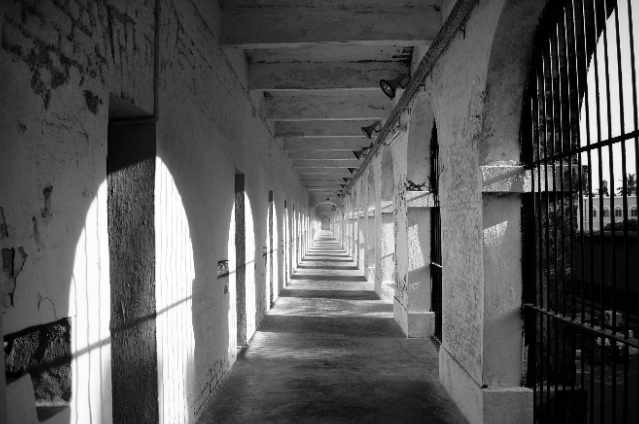
May 12, 2026, brought something odd to Hyderabad - Chanchalguda Central Jail swung open its old iron doors wide. Not for escape, but entry. The Telangana Prisons Department shifted gears that day, swapping cell keys for visitor passes. A fresh project named “Feel the Jail,” or Jail Anubhavam, lets regular people step into cells on purpose. Paying ₹1,000 meant twelve hours behind bars; double that sum stretched it to a full day. Governor Shiv Pratap Shukla showed up to start both this trial and another - the Telangana Prisons Museum. Soon after, phones lit up everywhere. Photos, jokes, and questions flooded online spaces just as fast. At first glance, it seemed like novelty tourism. Then voices rose, asking harder things: Who gets to leave? Why do some serve time while others buy it? Slowly, talk turned toward how jails work - and who they really hold.
Nothing soft here by design. Inside these walls, days unfold like those behind actual bars. Steel trays carry plain food, eaten without ease. Mornings begin at a fixed hour, nights end the same way. Iron fences line every window, and guards watch each turn. A mattress on a metal frame serves as a bed - no cushions, no choice. Phones stay locked away, music absent, screens gone. Rules govern movement, speech, and even silence. The setup forces stillness, strips routine down to bare bones. Now here comes a fresh piece: Telangana's new prison museum digs into how jails have changed since the time of the Nizams, right up to today’s setup. Old papers sit beside iron cuffs and tools once used behind bars, telling stories most people never heard. Hidden in those tales? Prisoners helped build the massive Nagarjuna Sagar Dam during the 1960s - a project shaping modern India. Staff says visitors aren’t getting thrills; they’re learning cold truths about confinement meant to shift thinking. Money made from tours flows back into care and recovery efforts for those still inside.
Some people think these deep experiences help build care for others, particularly in young minds. Visiting places tied to pain - like old jails or battlefields - often pushes travellers to pause and reflect instead of just snapping photos. The Cellular Jail in the Andamans is one example of how India already uses its prison history to connect with visitors. This new project in Hyderabad feels like a step along that path, drawing on memory and place. Facing real conditions inside cells might shift views, softening hard opinions about those locked up. When correction centres stay out of view, letting ordinary people walk through may clarify what goes on behind walls
Some say the whole idea misses the point because guests are free to walk away at any time. What truly defines prison isn’t rough conditions - it’s being trapped without control, clarity, or escape. One chooses to step inside for two thousand rupees, then chooses again when stepping out. That power stays far beyond reach for those actually behind bars. Imagine sitting in jail, though you’re not found guilty. That happens a lot in India. Prison data shows cells have been packed beyond capacity for years. Because court cases drag on, many wait behind bars without conviction. Legal help is hard to get. Paying bail? Out of reach for most. By 2022, jails held 131 people for every 100 meant capacity. Over seven out of ten locked up hadn’t even faced trial. New updates tied to official records still point the same way - around seventy-five per cent stuck as undertrials. Watchdogs say it boils down to money - or lack of it - affecting whether one walks free.
Another layer hides beneath the backlash. Research plus official jail data often reveals how sidelined groups - especially Dalits, Adivasis, and Muslims - fill Indian prisons at much higher rates. Long waits stretch on for many behind bars while cases drag forward slowly, stuck because lawyers are scarce or money runs short. With this reality sitting quietly in view, certain watchers fear projects such as “Feel the Jail” might twist imprisonment into an online spectacle instead of sparking real change. Spending time behind bars on display might spark Reels that spread fast, also chatter over meals. Yet what comes after the camera stops rolling? Does this kind of visit prod people toward real curiosity - like why bail traps so many, why court waits stretch years, why cells burst at seams? Could it be these experiences hand comfort instead of challenge, a polished version of truth minus any call to act? Does feeling involved count less than actually doing something?
One thing matters most when thinking about Hyderabad’s jail project. Success won’t come from how many show up or how often videos spread online. What counts is what follows once people walk past those prison exits. Should this spark louder voices calling for quicker court cases, stronger support for legal help, fewer crowded cells, and also kinder conditions behind bars - well, that shifts things. Yet should it fade fast as so many passing trends do, eaten up and dropped without thought, then “Feel the Jail” turns hollow. Critics warned of this already. Not change. Just noise. Doors swing wide each dawn. Still, deeper questions on fairness across India stay shut - unless folks decide at last to face them.
References:
- Economic Times – “Hyderabad's new 'feel the jail experience' lets people live like prisoners for 24 hours.”
- Times of India – “Want to spend a night in jail? Chanchalguda prison now lets you in.”
- Telangana Today – “Telangana Jail Museum opens with unique ‘Feel the Jail’ experience.”
- NCRB Prison Data India 2022 To 2024
- Undertrial Prisoner Statistics 2024 Ministry of Home Affairs
- IndiaSpend – Prison overcrowding and undertrial analysis
- Times of India – “74% of prisoners are undertrials, and that's an improvement”