
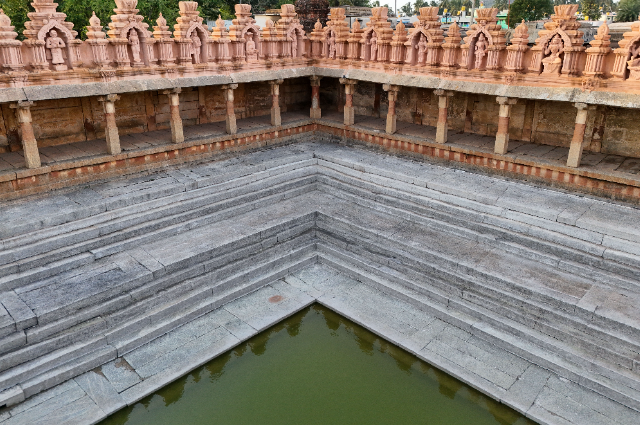
A clutch of fish has drowned at the historic Banganga Tank in Pitru Paksha. The fish deaths highlight the need to protect water and heritage sites in Mumbai. The tank is situated in Walkeshwar in South Mumbai and has been experiencing such deaths for more than a decade. Locals and environmentalists suspect food and other offerings placed at the tank during religious rituals could be to blame. The Brihanmumbai Municipal Corporation (BMC) has begun cleaning and has held a meeting with local priests and residents to discuss ways to prevent the problem. But these deaths raise questions about whether the problem is continuing even though previous efforts have been made.
The latest fish deaths were reported during Pitru Paksha, which is a Hindu festival to honour their ancestors. It began on September 26 and will continue until 10 October 2026. Devotees visit Banganga Tank to perform tarpan and pind daan, offering rice or flour dumplings, sweets, milk, oil and flowers. While tarpan and pind daan are religious in nature, residents have been concerned about human waste entering the water.
Residents and environmentalists believe that food and ritual materials may be to blame. Organic matter in water decomposes, which can pollute the water and consume oxygen. Fish need oxygen to survive, and low oxygen levels can kill them. Oil may also cause damage to the water’s surface, as scientists speculate. Investigations into how the recent deaths occurred will continue. Water samples are being sent to laboratory researchers.
The BMC has been stepping up cleaning and has been cleaning dead fish and other waste from the tank. It also installed an aeration pump to increase oxygen and will pump out and refill the tank to improve water quality. It has also scheduled a meeting with priests and residents on what they should do to prevent contamination during religious activities.
Santosh Salunkhe, assistant municipal commissioner, said the civic body wanted to prevent food, oil and other ritual materials from entering the tank. The BMC will ask priests to encourage devotees to use designated collection arrangements rather than putting offerings in the water. Priests can help spread awareness to people performing the rituals.
Sevalal Tiwari said the ritual offerings are disposed of in drums outside the tank. According to him, after the ritual, priests perform pind daan, and the ritual materials are not thrown into the water. People are told that at times people who do not participate in the rituals throw offerings into the water. There needs to be clear systems so that devotees can perform the rituals without disturbing the aquatic life.
The problem is not new. In the past, dead fish, floral & other waste were found washed out of the tank at Banganga three days after Pitru Paksha in 2025. Dead fish, bodies of people and other organic material were removed from the tank in 2021. Dead fish had been reported in numbers in the hundreds in 2023, and tens of thousands in the water in 2021. Aerators and pumps have been used by the BMC, as have pleas to devotees to place their offerings in collection bins. Despite these measures, fish continue to die. Before Pitru Paksha, the BMC has been asked why stronger measures have not been taken earlier to lessen the fish deaths during this period.
Sanjay Shirke, a resident of Walkeshwar and petitioner in a public interest lawsuit to protect Banganga, is concerned about rice dumplings used in the Pind Daan ceremony. Suggestions have been made to provide alternative sites to devotees for performing pind daan rituals. These would help lessen the pressure on the tank. Others believe better education and awareness programs about pollution in the environment and ways to deal with it would also help. There is also the question of division of labour between various agencies, BMC and the ASI. More collaboration between the various agencies involved is required to come up with effective means to protect the tank.
Banganga Tank is a historical and religious site in Mumbai. As per Hindu mythology, Lord Ram, during his journey to Lanka, shot an arrow into the ground, and as a result, a water source was created. It is said the water source is connected to the Ganges and gave the tank its name. It is an important religious place of worship. Surrounded by various temples and ghats, it is one of the main attractions of Mumbai.
The increasing number of fish deaths is a clear indication of the difficulties in balancing environmental concerns and faith practices. While cleaning and aeration may improve conditions after an incident, there must be a greater effort towards preventing pollution. Better disposal facilities, public education, and cooperation between authorities are all necessary to save Banganga Tank’s fragile ecosystem. It has been more than ten years since the fish died in the tank. But it is still not clear whether long-term solutions will end the deaths and save Banganga Tank for future generations.
References:
- https://timesofindia.indiatimes.com
- https://www.indiatoday.in
- https://www.theweek.in
- https://www.news18.com
- https://english.gujaratsamachar.com