
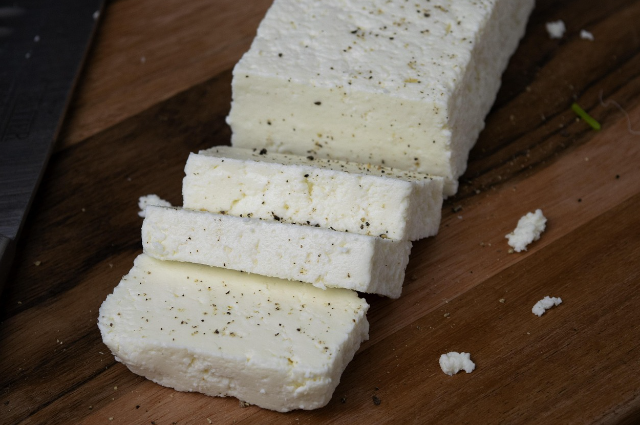
The state of Maharashtra in India has taken action, rolling out a series of strict regulatory measures targeting what local authorities have called analogue paneer, that is, non-dairy paneer. It has banned its production, storage, distribution and sale across the state for one year. The order was issued by Food Safety Commissioner Tukaram Mundhe on July 30, 2026, in the wake of food safety concerns and a rise in the use of cheap substitutes for genuine milk paneer.
The ban comes after food inspectors in Maharashtra, along with laboratory tests, raided vendors and found that 308 paneer samples were below standards while 79 were considered unsafe. Companies have reported making paneer from low-end vegetable oils and even lower-quality ingredients. They will look, taste and feel like solids but are not.
Hotels, restaurants, caterers and cloud kitchens have also suffered from the new order. Some have been using analogue paneer without telling their customers that it is a substitute. By doing so, the business is able to keep costs low, and customers still believe they are paying for a milk product. As per the new order, food businesses in Maharashtra are forbidden from manufacturing, storing, selling or serving the banned analogue paneer.
Warnings have been issued to businesses that break the order. Seizure and destruction of stock can be followed by severe sanctions under the food safety laws. Additionally, fines of up to Rs 10 lakh could be levied. Maharashtra became the second Indian state after Chhattisgarh to implement a ban on analogue paneer.
Analogue paneer isn’t the only one that can be labelled as different from traditional paneer. Experts have stated that some of these imitation goods are indeed not as nutritious as genuine dairy paneer. Paneer is a dairy food rich in protein, calcium, and other nutrients, made by curdling milk. Imitated paneers are often labelled as such. They may be based on vegetable oils, starches, stabilisers, and additives. Depending on the manner in which they are produced, the food may be lower in nutritional value, while poor hygiene can pose additional health risks.
Thyroid dysfunction and type 2 diabetes are both on the rise, but dietitians warn to read the label. Paneer is a fresh cheese that originates from the Indian subcontinent, prepared by curdling milk with a food acid such as lemon juice or vinegar. Its protein contains every one of the amino acids your body requires. They may vary significantly in nutritional content and have more sodium, saturated fat, or additives even if they claim to be plant-based.
The first one is a fake paneer which cannot be easily identified, as it does not look like paneer at a glance. It is reminiscent of real paneer in colour, texture, and flavour. And so, if you eat brown paneer at a restaurant, it's hard to tell you'd even be eating real paneer unless the restaurant is honest. Many experts recommend choosing paneer from trusted brands and food establishments.
The move by Maharashtra FDA is part of a series of food safety measures in the state. In the past few weeks, fatty, salty and sugary foods have also been banned around schools. Paneer Ban Raising Eyebrows as A Popular Indian Food Essential Paneer is an essential component of the most common meals of many Indians, be it homes or restaurants and caterers.
Further analysis of the crackdown reveals a bigger problem in the food market: the disconnect between the appearance and content of a product. When cheaper ingredients are secretly used to replace more expensive ingredients, customers lose out on money and trust. Food safety rules attempt to prevent this by requiring businesses to adhere to standards in the areas of ingredients, production, and labelling. Strong enforcement of these standards becomes even more important when consumers are unable to spot adulteration themselves.
Another area in which the FDA has taken action is in bans. Two cough syrups, Respires TR and Relief Syrup, have been banned after testing showed they contain a toxic chemical called diethylene glycol. The situation of the medicine case differs from the paneer issue, but both raise questions about how early safety issues with products can be detected.
Maharashtra’s ban on paneer means that foods prepared and sold in food shops will now come under scrutiny. The motive is not to prevent people from eating paneer, but to make sure that all paneer products sold in the state conform to food safety and labelling standards. So, natural paneer will still be a source of protein and calcium, as comparisons must be made for cow's milk based on organic and authentic items.
It questions the openness, consumer choice, and the duty of industry to sell safe products. Maharashtra's one-year ban will give regulators time to better enforce and consider the extent to which substitutes are being used. For consumers, it is a case of appearances not always telling the full story. Clear labels, trusted sellers and stronger food safety checks are essential to ensuring that the food reaching people’s plates is safe and honestly represented.
References: