
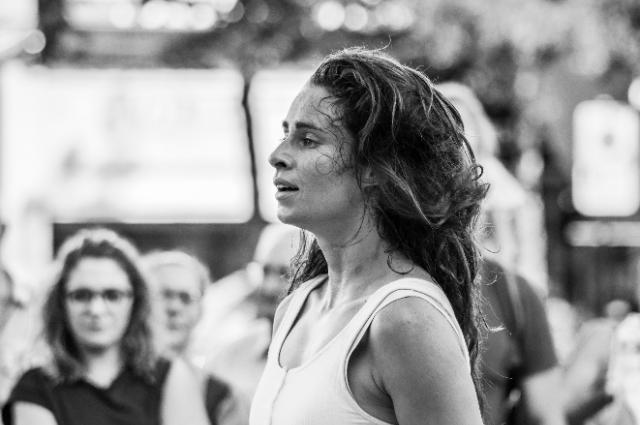
Neha Bora (29), a PhD student at JNU, was one of the most recognisable faces of student protests in 2026, participating in a 23-day hunger strike at Jantar Mantar in New Delhi. As president of the All-India Students’ Association (AISA), Bora and fellow education reformer Sonam Wangchuk joined with others to call for the resignation of Union Education Minister Dharmendra Pradhan over alleged irregularities in the NEET examination. The protest called national attention to student protests but also took a beating.
Even after the hunger strike, Bora was left feeling hungry. In an interview with PTI, they said their body was still processing the thought of eating again. “My body adapted to surviving without food during the hunger strike. Now it has to adapt again to eating,” Bora explained. Their stomach didn't like eating much, and they avoided spicy food and red meat because they upset their stomach. They found it interesting that the effects of a prolonged fast can remain even after a protest is over.
Bora was weak, and so he soon left for Bihar to visit the arrested students. According to Bora, over 600 students had been arrested, and some were being tried on attempted murder charges. The two visited Patna, met the injured protesters in Siwan and spoke to the state Director General of Police. They said the visit was arduous, but necessary because they did not want to abandon those who had supported the movement.
Bora also missed a march on July 20 because of the physical consequences of the strike. They said they were too weak to participate and stayed at the protest camp with doctors and medical supplies. A half hour after the march began, they heard tear gas and saw injured protesters returning. Bora told of a student with a broken arm, supported by folded cardboard because an ambulance couldn’t reach him. They described protesters suffering injuries to their necks, legs and chests.
Bora said the protesters had been trapped between layers of barricades, with tear gas and baton charges making it difficult to move. Bora also said that old people and children had been caught in the confusion. He later met students who had received pellet injuries, including one student at Delhi University who lost vision in one eye. The reports only further fueled anger among protesters and raised questions about how the demonstrations had been managed.
Bora said the police action did not help the movement. More people came to Jantar Mantar after July 20, including students with broken bones and head injuries. Bora said the marks that they left on their bodies would record how demonstrators had been treated. For them, the protest was about more than a desire for a minister to resign but also students’ right to question the government and demand accountability.
Likewise, Bora’s family lived with the hunger strike. Their mother had long opposed their political views but visited Jantar Mantar on July 19 and witnessed the events surrounding the protest. After Dharmendra Pradhan quit, Bora’s mother called to congratulate them and their colleagues. For Bora, that change in her mother’s attitude was a personal achievement, as it changed how some parents saw their children’s activism. They also did not speak to their father, a retired Indian Army officer, after the agitation.
Bora was born and brought up in Khatima, Uttarakhand, to an army family that moved across cities. They did a bachelor’s degree at Delhi University, and a master’s degree at Ambedkar University Delhi, before beginning their doctoral work at JNU’s School of Arts and Aesthetics on folk theatre practices in Uttarakhand. Bora worked with the street theatre group Sangwari in Delhi. As they recount their experience of theatre, they say it taught them how to talk openly, use language, and understand other people’s experiences, which allowed them to address crowds at rallies.
After the hunger strike, Bora continued participating in student demonstrations, including protests in Jharkhand over alleged recruitment examination irregularities. By October, they had become a prominent figure in protests demanding the resignation of Chief Election Commissioner Gyanesh Kumar and opposing the Special Intensive Revision of electoral rolls. Bora was detained several times by Delhi Police during demonstrations. Their calls to continue protesting, even when Jantar Mantar was inaccessible, made them a widely discussed figure in India’s Gen Z movement.
Bora’s activism has drawn both support and criticism. Supporters see Bora as a determined student leader fighting for exam fairness, education, and the rights of citizens. Critics have described their politics as radical or anti-national, reflecting the political division surrounding the protests. Bora’s 23-day hunger strike placed them in the national spotlight, but its costs were more personal than headlines and political debate. Bora’s difficulty eating normal food, their weakness during the fast, and their sacrifice in support of injured and arrested students showed the personal demands of a campaign of protest. For Bora, the strike was a fight for justice as well as a physically tough experience that stuck with him afterwards.
References:
- https://en.wikipedia.org
- https://www.hindustantimes.com
- https://www.straitstimes.com
- https://www.telegraphindia.com