
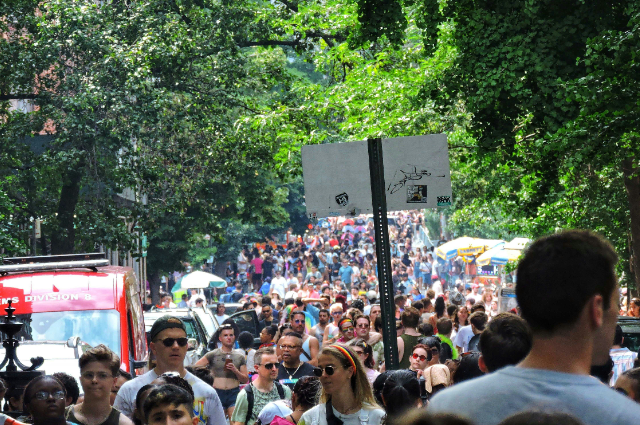
Cockroach Janta Party (CJP) chose Mumbai to hold its “Jail Bharo Andolan” against Chief Election Commissioner Gyanesh Kumar, which was held on October 2, Gandhi Jayanti. The party chose Mumbai to protest on October 2 against the Election Commission of India (ECI). It also chose to raise questions about Maharashtra’s elections, the independence of the Election Commission and the right to protest. The police denied permission for the gathering at Shivaji Park, but CJP founder Abhijeet Dipke insisted that the party would proceed with the planned agitation.
Protesters then saw that The Indian Express published an investigative report in September 2026. It revealed contentions within the Election Commission, with Election Commissioners Sukhbir Singh Sandhu and Vivek Joshi reportedly complaining about decisions taken by Kumar, such as voter registration, changes in electoral rolls, and access to the voter database. This report just added to the complaints against the Election Commission and gave CJP another reason to demand Kumar’s resignation.
In addition to the economics, the decision to choose Mumbai was also partly made out of the political situation in Maharashtra. On Thursday, Dipke had questioned the stark difference between the results of the 2024 Lok Sabha elections and the state Assembly elections six months later. “In the 2024 Lok Sabha elections, BJP won only nine seats out of 48 seats. But in the Assembly elections held six months later, it was completely different. How did this happen?” Dipke told reporters.
In Maharashtra, the Bharatiya Janata Party (BJP) won nine of the 28 seats it contested in the Lok Sabha election. Shiv Sena and Nationalist Congress Party (NCP) won seven and one seats respectively. Together, the ruling Mahayuti alliance won 17 out of the state’s 48 seats. Maha Vikas Aghadi (MVA), which comprises Congress, Shiv Sena (Uddhav Balasaheb Thackeray) and NCP (Sharadchandra Pawar), won 30 seats while one seat was won by an independent.
Six months after the assembly elections, the results were slightly different. BJP won 132 seats, becoming the largest party in the state legislature. Shiv Sena won 57 seats and NCP 41. Mahayuti alliance bagged 230 of the Assembly’s 288 seats. The MVA won only 46 seats, including 16 for Congress, 20 for Shiv Sena (UBT) and 10 for NCP (SP).
Dipke used this difference to explain why he wanted to start the protest in Mumbai, saying that Maharashtra also protects the seat of power in Delhi. The party ties the election results to larger questions about how elections are conducted. The difference between the two results does not prove that there were election manipulations.
Rahul Gandhi, the Congress leader, also alleged “vote chori” (vote theft) after the Maharashtra Assembly elections. He specifically referenced the constituencies in Vidarbha and criticised the Election Commission over alleged flaws in the election. CJP’s decision to protest in Mumbai now adds its demands against Kumar to concerns raised by opposition leaders about the elections in the state.
Gandhi Jayanti added another dimension to the protest. Gandhi Jayanti marks the birthday of Mahatma Gandhi, the man who spearheaded India’s freedom struggle through non-violent resistance. Dipke spoke of Gandhi when he attacked the police over the refusal to intervene. “We are fighting against those in power...We all remember Mahatma Gandhi, who fought against the Britishers. Did the British ever permit him to agitate?” he asked.
Mumbai also has a long history with Gandhi. Senior journalist and peace activist Jatin Desai noted that Gandhi initiated the Quit India Movement in Bombay on August 9, 1942, on the Gowalia Tank Maidan (now August Kranti Maidan). CJP’s choice of Gandhi Jayanti and Shivaji Park placed its protest in the history of political opposition and public movements.
The police, however, refused permission to hold the event at Shivaji Park. They cited a Bombay High Court order dated January 4, 2013, and a Maharashtra government order dated January 20, 2016. They also pointed out the lack of permission from Brihanmumbai Municipal Corporation and raised concerns about noise, traffic and access to nearby hospitals. Police advised the organisers to consider another site. As of October 1, CJP had not submitted a request to the Bombay High Court for permission to hold the event.
The dispute has therefore become about more than the location of a political gathering. CJP has announced plans to take its protest to other cities, including Kolkata, Goa, Bengaluru and Ranchi. Its demands include Kumar’s resignation, freezing electoral rolls and withdrawing the 2023 law governing the appointment of election commissioners.
CJP chose Mumbai on Gandhi Jayanti to symbolise its protest against the Election Commission. Its claims about the results of the election are allegations, and the reported tensions within the Commission have added to the public debate over the Commission’s function. The protest raises the question of how the public trust in elections can be safeguarded when political parties express suspicions about the bodies that check them.
References:
- https://www.dailymattr.com
- https://indianexpress.com
- https://economictimes.indiatimes.com
- https://www.outlookindia.com
- https://www.thehindu.com