
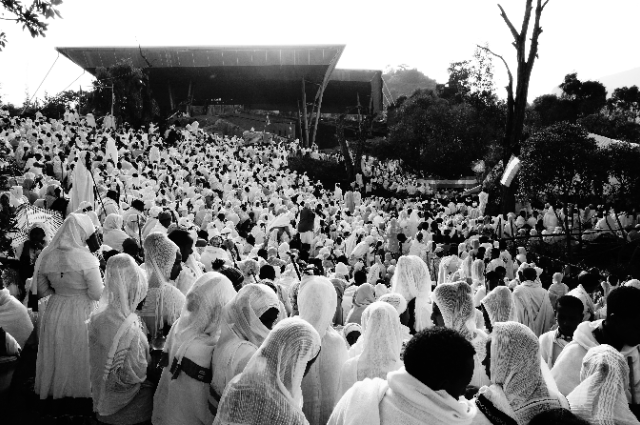
For nine days each year, devotees in Pande village, Maharashtra, observe an unusual religious practice by not being able to sit or sleep on the ground. Ubhyachi Navratri, or Standing Navratri, is celebrated at the Kalbhairavnath temple in Pande, near Wai in Satara district of Maharashtra. It is believed that the tradition has been carried on for 350 years, and it is a form of worship where devotion is expressed through continuous action and not just through prayer.
The participants, called Navratkaris, take this vow (navas) to fulfil a wish or to offer their gratitude to Lord Kalbhairavnath, the village deity. For them, standing straight in Navratri is not a physical challenge, but a promise made in faith. Temple committee chairman Hemant Jadhav says some devotees intend to repeat the ritual for three, five, seven, or even ten years. At least one family member takes up the pledge, so it is no longer a personal issue for each devotee alone.
The most unusual aspect of the ritual is the strict rule against sitting and sleeping. Devotees cannot lie down on the ground when tired, but they must rest on their chests against specially suspended supports called chauphala, one foot on the ground, the other lifted. Some participants use wooden sticks to help them stay balanced. Jumping, running, and running fast are also forbidden. There’s a belief that one should never lose contact with the ground by means of the feet. These rules govern almost every move a participant makes and force them to be conscious of their posture even when they are meant to be relaxing.
Food and clothing also matter to them. They have to wear white at all times during aarti, the service performed before the deity. They avoid all oil, salt, and ch and eat milk, fruit, and sago kheer. They are meant to remain within the limits of the village till Vijayadashami or Dussehra, when the festival concludes. The vow is hard because of the food restrictions, the long hours standing, and little rest. But they do it because they think it is important to them to keep their vows.
The village even accommodates their devotional practice. Devotees wake up at 4:30 am, then return home for a quick stretch before morning aarti and breakfast. Then they meet again at the temple where they read, meditate, and interact with other devotees. In the evening, they stroll through the village and go back to the temple to pray. The temple remains the centre of their lives for all nine days, with the activities being closely tied to worship and the requirements of the vow.
In addition, Navratri also requires the participation of people living far from home. People joining the ritual are reportedly aged 18 to 65, and even the villager employed elsewhere in the country tries to return for Navratri. Kishor Jadhav, a Border Security Force commando stationed in Shillong, Meghalaya, has returned four years in a row. His participation demonstrates the importance of the festival for some families, who have to take leave from their demanding work.
Breaking rules is considered serious. If a devotee makes a mistake and does not follow the ritual, they will have to admit it to the priest at the temple and redo the ritual. Villagers are even thought to believe that if an error is covered up, illness or leg pain can result. These are just folklore and not science, but it shows the importance of honesty and personal responsibility. Completing the vow means following the rules and not just staying at the temple until the festival ends.
Standing Navratri has become an expression of community as well. Even when Hindus and Muslims do not practice their religion separately, they share the same village tradition. Harun Inamdar, a Muslim resident of Pande, has been doing this for 26 years. He is one of those people who highlight how a common custom can give neighbours a place to come together and contribute to a common cultural practice. This tradition is not solely about religion but also about relationships between generations and communities.
Yet traditions and customs of the festival also evoke debate. Women in a Navratkari’s family who begin menstruating during the nine days may be asked to spend the night in a separate room or temporarily move into relatives’ homes. Local leaders claimed it is because it removes the extra chores of caring for the women, but the practice raises questions about the impact of traditional practices on women and how families can revisit traditions without compromising their own dignity.
Pande’s Standing Navratri remains distinctive because of the extraordinary discipline it asks of its devotees. The reported 350-year history, strict rules, and continued participation of villagers working far away all show how deeply the observance is woven into local life. Its significance lies not only in the refusal to sit or sleep on the ground, but also in the promises families make, the routines they maintain, and the community they sustain. For nine days, the devotees place their everyday lives around a demanding religious commitment, preserving a tradition that continues to shape Pande’s identity.
References: