
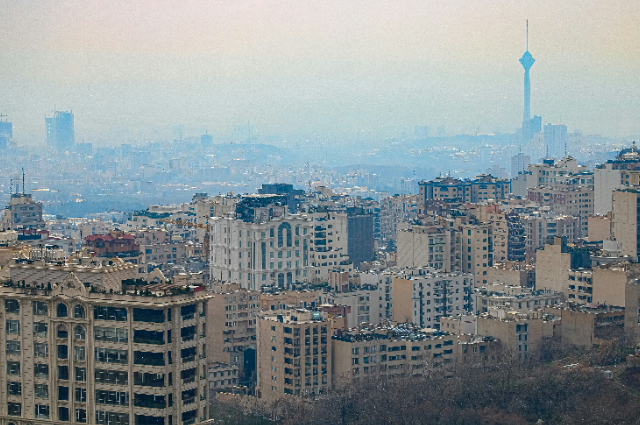
February 28, 2026, wasn’t just another headline; it was the abrupt end of an era that few saw coming. Ayatollah Ali Khamenei’s death, killed in a US-Israeli airstrike inside his Tehran compound, broke open a system he had relentlessly centralised over nearly four decades of rule, painstakingly centralised and controlled since 1989. Initial reactions were a jumble of emotions; celebrations erupted in Iran and among Iranians living abroad. People celebrated openly in some cities, while others looked over their shoulders, worried about what was next. The question that everyone’s asking now is, “What happens to the intricate machinery he leaves behind?”
Khamenei’s legacy hinged on his interpretation of Velayat-e-Faqih (Guardianship of the Islamic Jurist), which basically gave him near absolute authority. That’s how he pushed through strict laws, especially shaping how women moved through public life. For his camp, things like the mandatory hijab or the ban on singing and dancing in public weren’t just rules but shields against what he saw as Western moral decay creeping in. However, critics and international organisations like the UN point to a different reality, describing the system as “gender apartheid”. Under Iran’s civil code, women needed their husband’s permission to travel or work. A woman’s testimony in court counted half as much as a man’s. By 2024, the regime even introduced death penalties for activists who challenged the enforcement of compulsory hijab laws.
Khamenei’s system wasn’t just about keeping order but also about outlasting rebellion. One of the most significant incidents is the “Women, Life, Freedom” movement that exploded after Mahsa Amini, just 22, died at the hands of Iran’s morality police. Her death sparked protests that swept across the country. The regime responded brutally, killing thousands just to reassert control. Instead of loosening up, Khamenei doubled down. He actually tightened the very laws that had fueled the unrest.
Here’s what people often miss: the system Khamenei set up wasn’t meant to disappear with him. He built institutions that include courts, morality police, and intelligence agencies to make sure the rules stuck around even after he was gone. Iran’s miserable ranking in gender equality (143rd out of 146, according to the UN) is proof of a rigid bureaucracy, a web that goes way beyond one leader’s legacy.
After Khamenei was killed, a temporary leadership council took over. Their job was to keep things steady, at least until someone new steps in as Supreme Leader, which was not exactly easy. They have to pick a successor and hold a divided country together. Here, analysts see two paths ahead. One, the council could play it safe: choose another hardliner and keep the old laws, hoping to show strength after the airstrike, as any sign of weakness might threaten the whole system. The second possibility, decades of anger from Iranian citizens, finally pushes the council to loosen some restrictions, just to survive.
The joint US-Israeli strike killed not just Khamenei, but several key officials and family members, knocking out a chunk of the old elite that has left the leadership council exposed to power struggles.
While it’s tempting to focus on the headline, the collapse of the Khamenei regime needs to be seen by taking a step back—a dictator is gone, while the world is watching Tehran, waiting for what fate brings for its people as dismantling a forty-year system that takes ages. Khamenei ruled through strict social codes, where personal rights always came second to the state’s idea of morality. Whether Iran opens up or clamps down harder, nobody really knows yet. The harsh laws are still there, and protests still bring violent repression. The leadership council is scrambling to hold everything together, but the real issue isn’t just about new faces. It’s about whether the old system can actually be pulled apart, and if it is, what comes after? For Iranians, the story is nowhere near finished.
References:
For "Gender Apartheid" and Human Rights Claims:
- UN Fact-Finding Mission on Iran (2024): This provides the basis for the human rights violations discussed. https://www.ohchr.org
- Amnesty International – Iran: Hijab Law: Documents the 2024 laws and the death penalty for activists. https://www.amnesty.org
- Human Rights Watch – Iran Women's Rights: Details on travel/work restrictions and legal inequalities. https://www.hrw.org
For Statistical Rankings and National Context:
- World Economic Forum – Global Gender Gap Report 2024: Proof for Iran's ranking of 143rd out of 146. https://www.weforum.org
- BBC News – Iran Country Profile: Context for the system of governance since 1989. https://www.bbc.com
For the 2026 Airstrike and Ongoing News:
- The Washington Post: Coverage of the February 28, 2026, events. https://www.washingtonpost.com
- PBS NewsHour: Real-time updates on the US-Israeli strikes. https://www.pbs.org