
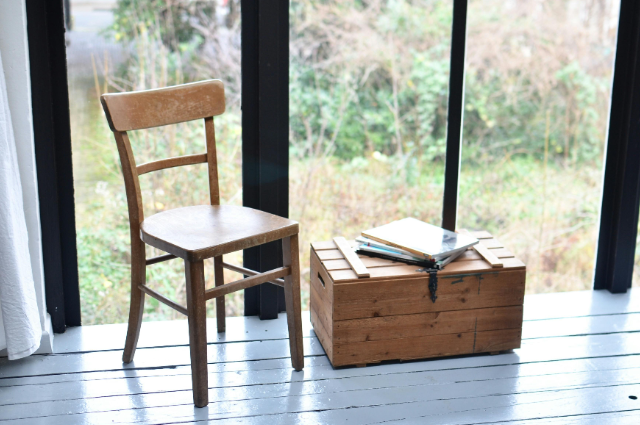
In the corner of many ancestral homes sits a heavy oak chest or a cast iron skillet that has survived three generations of Sunday dinners. These objects were not merely tools or furniture; they were promises.
They represented a philosophy of permanence, an unspoken agreement between the maker and the owner that a single purchase could serve a lifetime and then some. Today, that agreement has been discarded. We live in the era of the disposable, a time when our wardrobes are refreshed every few weeks and our kitchen appliances are designed with an expiration date hidden in their circuits. The heirloom is dying, and its demise is fundamentally altering our relationship with the world around us.
The Industrial Shift from Quality to Velocity
The transition from durable goods to transient commodities did not happen by accident. It was a calculated shift driven by the industrial need for constant growth. In the early twentieth century, manufacturers realized that if they made a lightbulb that lasted forever, they would eventually run out of customers. This birthed the concept of planned obsolescence. While the term originally applied to engineering products to fail, it has evolved into something much more subtle and pervasive: psychological obsolescence.
In both the food and fashion industries, we have moved from a model of stewardship to a model of throughput. In fashion, this is most evident in the rise of the ultra-fast fashion giants. A generation ago, clothing was an investment. Fabrics like heavy wool, sturdy linen, and thick denim were the standard. A coat was expected to last a decade. Now, the industry operates on a cycle of micro-seasons. Garments are constructed from synthetic blends designed to lose their shape after five washes, ensuring the consumer returns to the store to replace a "shabby" item that is barely six months old.
The Fragility of Modern Fashion
The death of the fashion heirloom is perhaps the most visible sign of this decline. True heirlooms require a certain degree of material integrity. You cannot pass down a polyester-blend dress that is pilling at the seams and shedding microplastics. The craftsmanship that once defined luxury has been replaced by branding. We are often paying for the logo rather than the loom.
When we look at vintage clothing from the mid-century, we see generous seam allowances that allowed for tailoring as a body changed. We see reinforced elbows and hand-stitched buttonholes. Modern garments, even those from mid-high range retailers, are often glued rather than stitched. They are designed for the mannequin, not for the passage of time. As a result, the "vintage" shops of the future will likely be empty, as the clothes we wear today will have long since disintegrated in a landfill or lost their structural soul.
The Erosion of Culinary Heritage
The crisis of permanence extends into our kitchens. The heirloom used to be literal in the world of food: heirloom seeds. These were varieties of vegetables and grains passed down through generations, selected for flavor, resilience, and local adaptation. Today, the global food system is dominated by monocultures and hybridized seeds that often cannot be saved for the next year. We have traded genetic diversity and flavor for shelf stability and transportability.
Similarly, the tools we use to cook have been "democratized" through cheap manufacturing, but at the cost of longevity. A copper pot or a seasoned carbon steel blade was once a rite of passage for a young cook. Now, the market is flooded with non-stick pans coated in chemicals that flake off within two years. These items are inherently un-repairable. When the coating fails, the entire object becomes trash. We no longer repair; we replace. This shift strips the kitchen of its history. There is no soul in a Teflon pan bought from a big-box retailer to replace the one that scratched last Tuesday.
The Psychological Cost of Disposability
Beyond the environmental impact, which is staggering, there is a profound psychological toll to living in a world without heirlooms. An heirloom acts as a bridge between the past and the future. It provides a sense of continuity and belonging. When we use our grandfather’s watch or our mother’s recipe book, we are participating in a lineage. We are reminded that we are part of something larger than our current moment.
When everything we own is disposable, our environment becomes anonymous. Our homes become staging grounds for trends rather than repositories of memories. This creates a culture of "restlessness." If nothing is built to last, we stop caring for our things. The ritual of polishing silver, oiling wood, or darning a sock is a form of mindfulness and respect for the labor that went into creating the object. Without that durability, we lose the ritual, and subsequently, we lose our connection to the physical world.
The Economic Illusion of Cheapness
Proponents of our current system argue that disposability has made life more affordable. It is true that a college student can now afford a wardrobe that mimics high fashion for a fraction of the cost. However, this is an economic illusion. When we buy three cheap shirts that fall apart in a year instead of one quality shirt that lasts ten, we are spending more in the long run.
This "poverty trap" means that those with less disposable income are forced to buy the least durable goods, leading to a cycle of constant replacement. The heirloom, once a symbol of stability for the middle and working classes, has become a luxury available only to those who can afford the high entry price of "slow" brands. We have traded the long-term wealth of durable goods for the short-term dopamine hit of a new purchase.
Can We Bring the Heirloom Back?
The tide is beginning to turn, albeit slowly. A growing movement toward "Right to Repair" and "Slow Fashion" suggests that consumers are becoming exhausted by the treadmill of disposability. People are seeking out heritage brands that still prioritize traditional construction. There is a renewed interest in mending, upcycling, and the secondary market for vintage goods that actually possess the quality to endure.
To resurrect the heirloom, we must shift our definition of value. We must value the patina of age over the sheen of the new. We must be willing to pay the "true cost" of an item, which includes fair wages for the maker and high-quality raw materials. In the kitchen, this means choosing the cast iron over the chemical coating. In the closet, it means choosing the heavy cotton over the synthetic blend.
The death of the heirloom is the death of a certain kind of storytelling. Every scratch on an old dining table is a story; every faded patch on a quilt is a memory. If we continue to fill our lives with things that cannot last, we risk leaving behind a world that is functionally and emotionally empty. Reclaiming the heirloom is not just about buying better stuff; it is about reclaiming our place in a continuum of time.
References
- Giles Slade. Made to Break: Technology and Obsolescence in America. Harvard University Press.
- Elizabeth L. Cline. Overdressed: The Shockingly High Cost of Cheap Fashion. Portfolio.
- Dana Thomas. Fashionopolis: The Price of Fast Fashion and the Future of Clothes. Penguin Publishing Group.
- Vance Packard. The Waste Makers. Ig Publishing.
- Dan Barber. The Third Plate: Field Notes on the Future of Food. Penguin Press.
- Andrea Castellani. The Philosophy of Quality: Why We Need Durable Goods. Journal of Consumer Culture.
- Michael Pollan. The Omnivore's Dilemma: A Natural History of Four Meals. Penguin Books.
- Kate Fletcher. Sustainable Fashion and Textiles: Design Journeys. Routledge.
- William McDonough and Michael Braungart. Cradle to Cradle: Remaking the Way We Make Things. North Point Press.
- The Right to Repair Movement. Annual Industry Report on Consumer Electronics and Longevity.